Inside the Dynamic fleet: what each unit is built for
4 min read
Dynamic Hydro Excavations, published on LinkedIn 20 April 2026
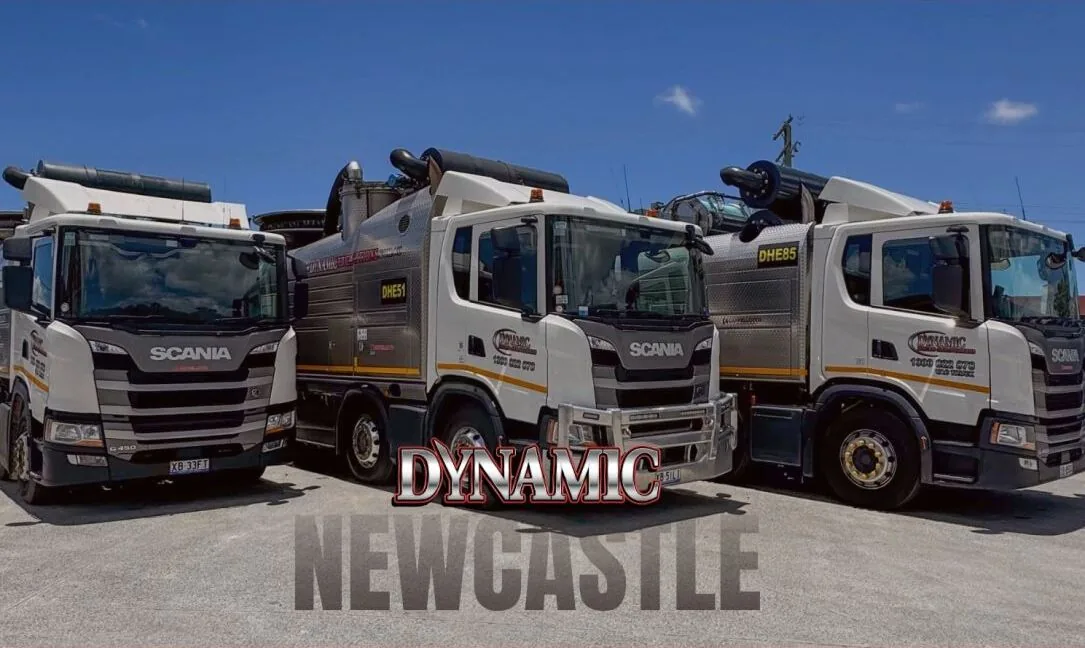
The Dynamic Group runs more than 200 assets across vehicles, trucks, plant, trailers and equipment. From a client’s point of view the useful question is simpler than the total: which unit suits this site, and is it available.
This is a guide to the main categories and what each is built for. Configurations vary between depots, so the team confirms the specific unit when a job is booked.
Vacuum excavation trucks
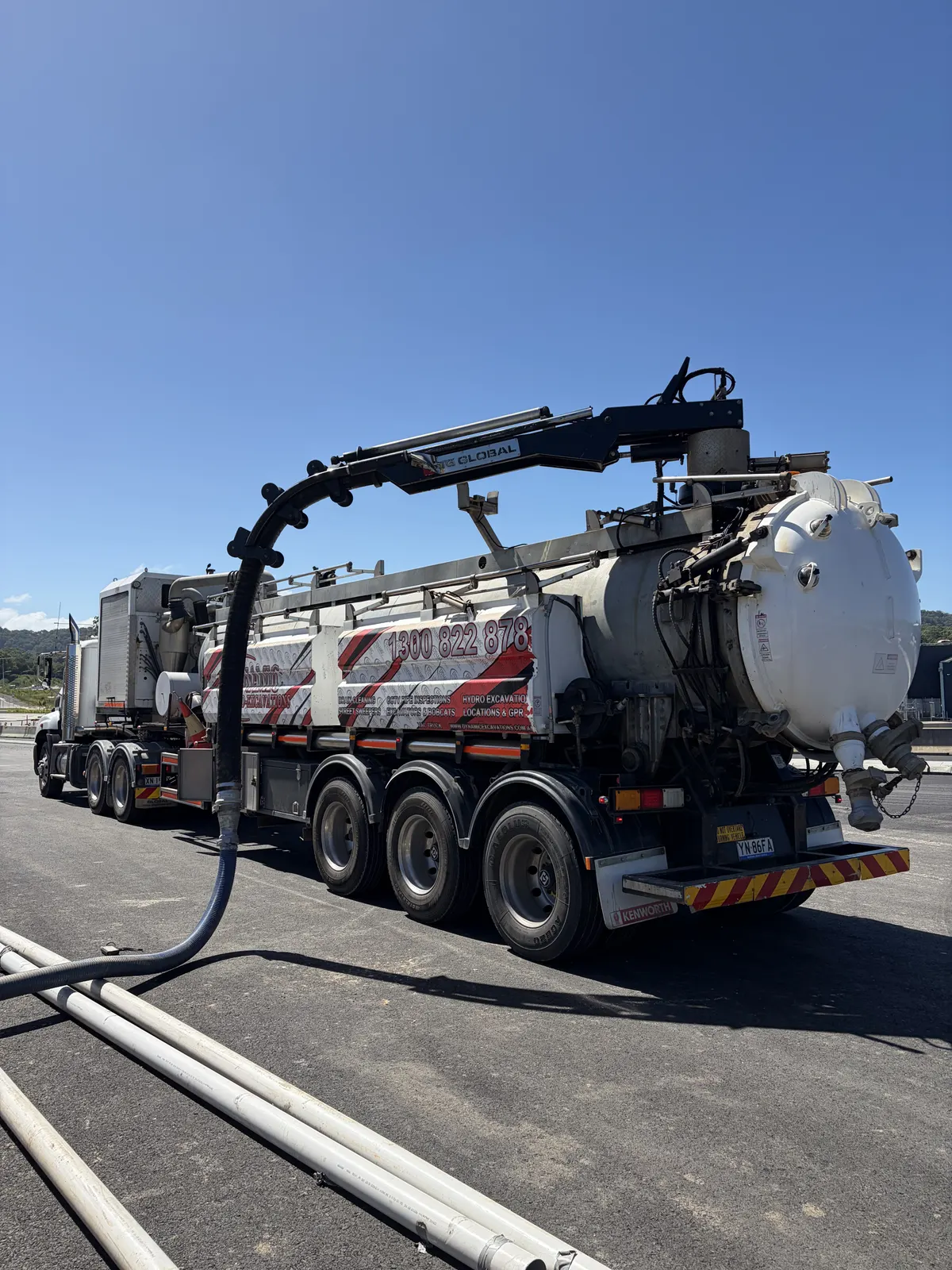
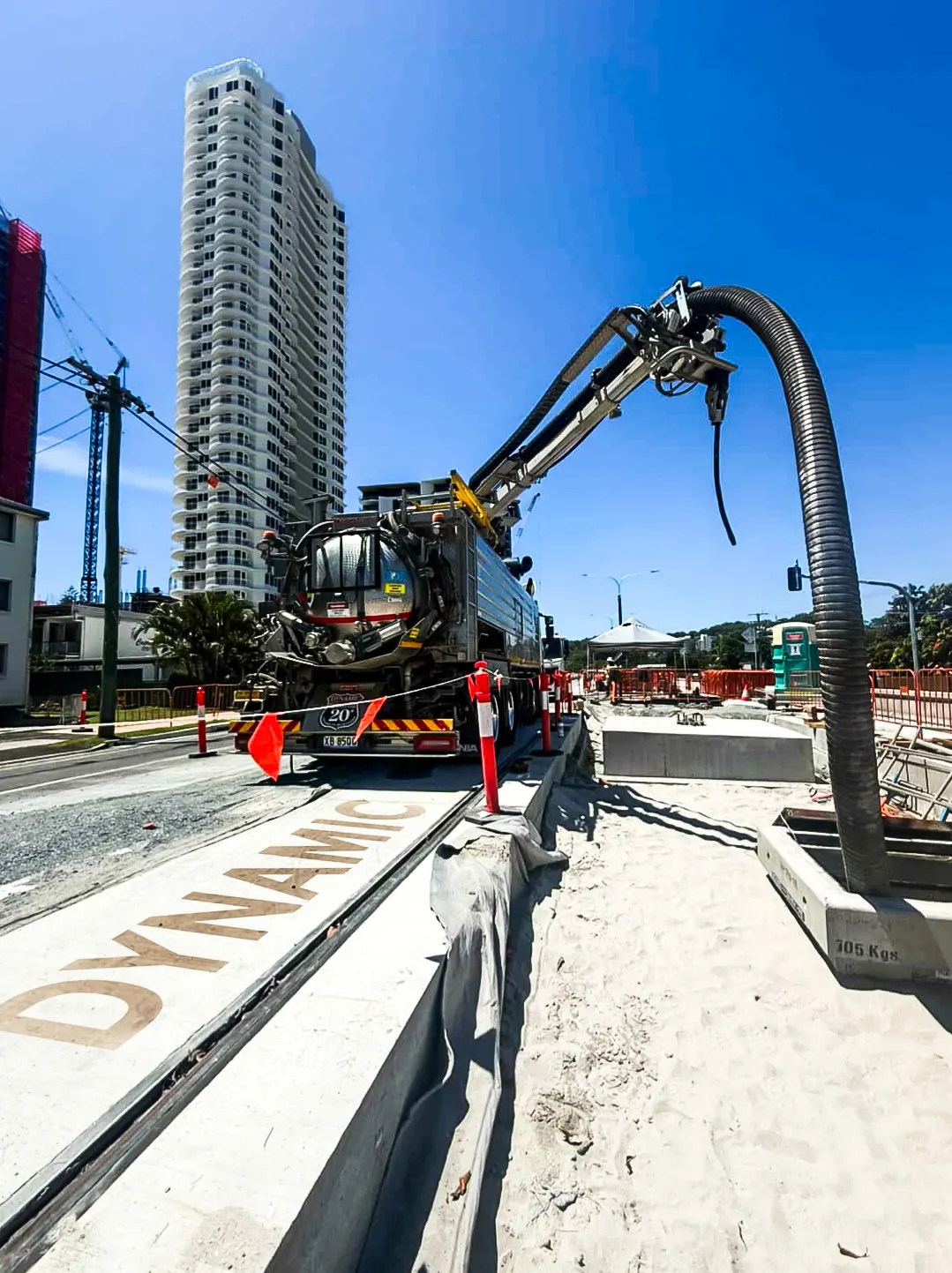
The core of the fleet. These units combine a high-pressure water system for cutting with a high-volume vacuum system for removal, and they cover the majority of non-destructive digging work: potholing, service exposure, precision trenching, confined excavation and pit cleaning.
They are held in several sizes. Smaller units get into constrained access; larger units carry more spoil and water, which reduces cycle time on bigger jobs.
10x4 vacuum trucks
The 10x4 axle configuration carries greater load within legal axle limits, which means more spoil per load and fewer trips out to tip. On larger civil and utility programmes that is usually the difference that matters most to productivity.
Hydro tankers
Hydro tankers are built for volume rather than precision, with capacity up to 16,000 litres. They handle bulk liquid and slurry removal, tank and pit emptying, and water supply and transfer where a large volume is needed on site.
Combination units
Combination units carry both jetting and vacuum capability on one truck, with water recycling on some units. They are the standard choice for drain cleaning and maintenance, where a line is jetted clean and the material recovered in the same operation.
CCTV inspection vehicles
Purpose-fitted vehicles carrying camera systems for CCTV pipe inspection. They frequently work alongside a combination unit so a line can be cleaned and inspected in one visit.
4x4 vehicles and units
Off-road capable vehicles and vacuum units for sites away from sealed access, including rocky tracks, sand and steep terrain. More detail is in 4x4 vacuum trucks: reaching sites conventional plant cannot.
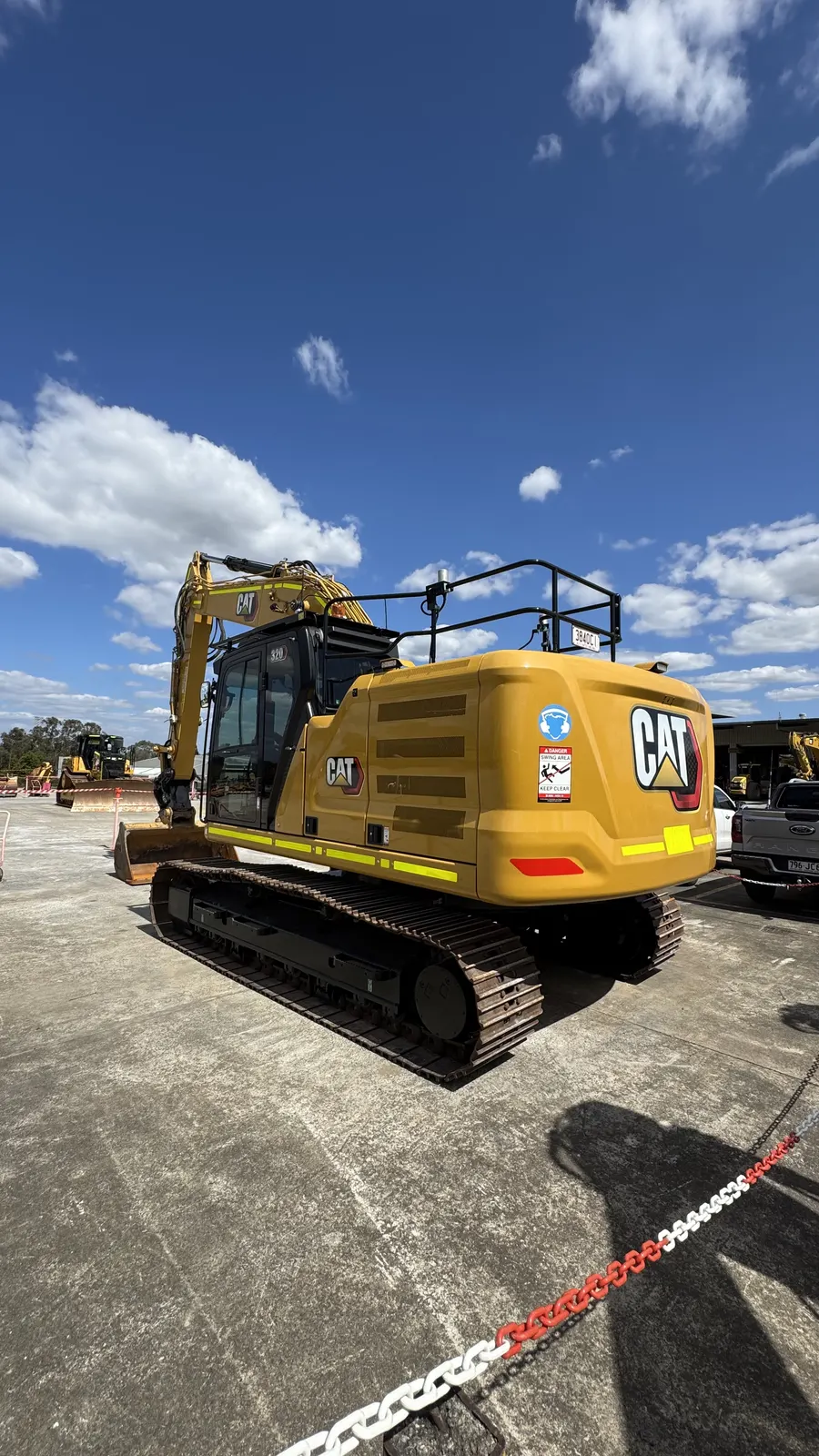
Excavators, bobcats and tippers
Conventional plant sits alongside the vacuum fleet because most sites need both. Excavators and bobcats handle bulk work where no services are present, and tippers move spoil, backfill and aggregate. Recent additions include two new Fuso tippers, covered in two new Fuso tippers added to the Dynamic fleet.
Support vehicles and trailers
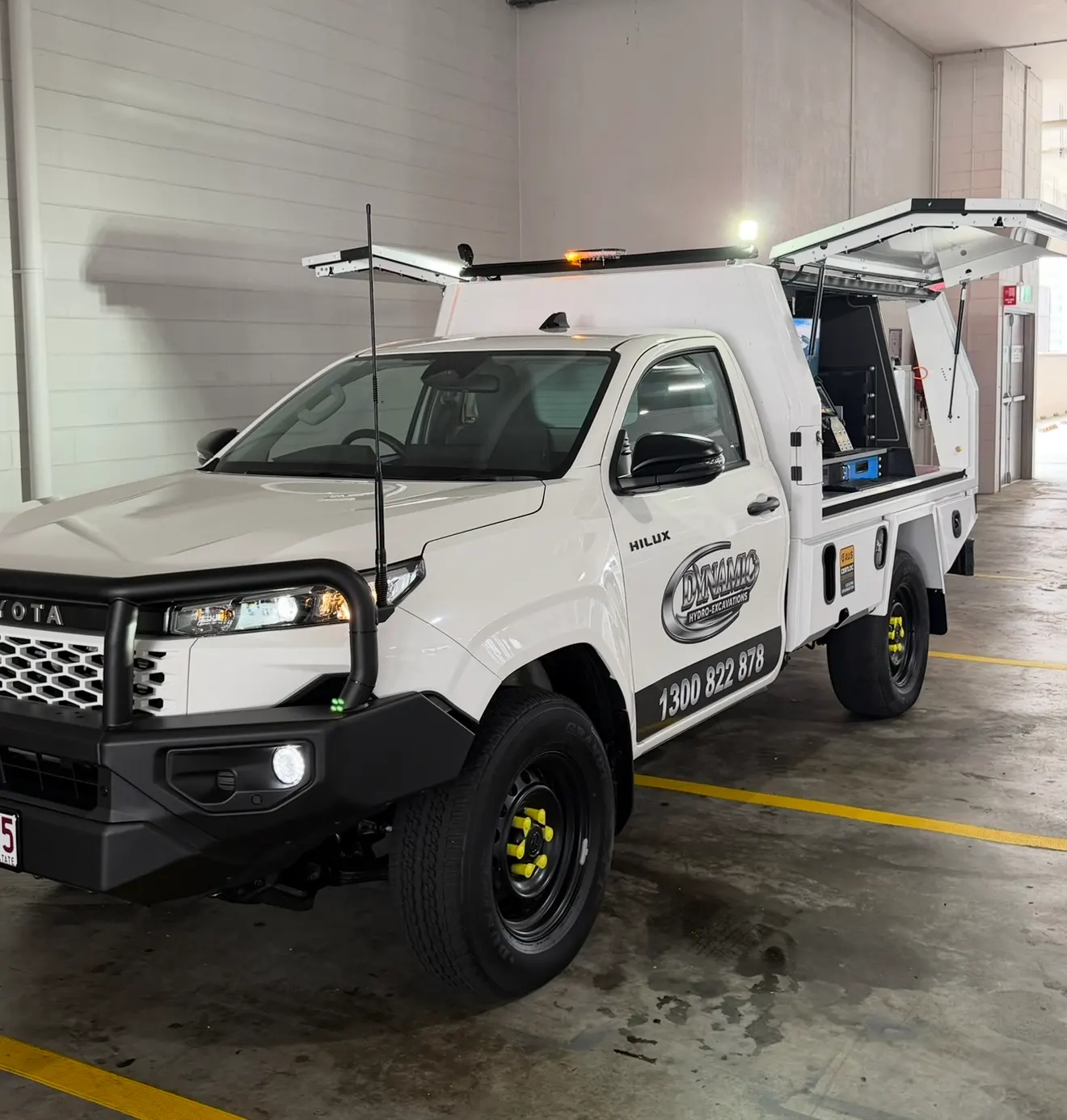
Service vehicles, locating vehicles, trailers and equipment carriers make up a significant share of the asset count. They are what allows a crew to arrive self-sufficient rather than dependent on site resources.
Availability and maintenance
A fleet this size is only useful if the units are available. Maintenance is scheduled rather than reactive, servicing is handled in house so a truck is not waiting in an external workshop queue during a programme, and pre-start inspections happen before every shift.
Availability is also managed across depots. Where demand shifts, units can be moved between regions instead of a client waiting for the one truck in their area to come free. That is one of the practical reasons for running depots from Sydney through to Townsville.
One identity across the fleet
A fleet-wide rebrand programme is progressively bringing every asset under one visual identity, handled in house by Dynamic Graphics on the Gold Coast. It is a presentation matter rather than an operational one, but on a site running several contractors it makes crews and plant easy to identify.
Client-specific fleet requirements
Some sites impose their own standards on vehicles and plant, including mine site specifications, particular safety fit-outs and induction requirements. Those are checked against the intended unit before mobilisation, and documentation can be supplied for prequalification.
The equipment that does not appear in the photographs
Trailers and equipment carriers deserve a mention of their own, because they are what lets a crew bring the right combination to site in one trip: a bobcat behind a tipper, a locating vehicle with the excavation unit, or matting and plates for working on soft or finished surfaces.
The asset count also includes pumps, generators, jetting hose, camera systems, locating equipment and traffic control gear. On most jobs that equipment is what decides whether the crew finishes in one visit or has to come back.
If a site has an unusual constraint, describing it early is more useful than nominating a truck, because the fleet generally has something that fits.
Matching a unit to a site
Access is usually the deciding factor, followed by volume and disposal distance. Where a site is tight, reach and manoeuvrability matter more than tank size; where volume is high, the reverse applies.
Browse the current categories on the fleet page, or request a project quote and the team will confirm what is available from the nearest depot.
Services in this article
Related service regions
Related reading
More news & insights
4x4 vacuum trucks: reaching sites conventional plant cannot
Not every excavation is at the end of a sealed road. Dynamic operates 4x4 vacuum excavation units built to reach sites across rocky tracks, sand and steep terrain, where a conventional truck would not get in or would not get back out.
4 min read
Read Article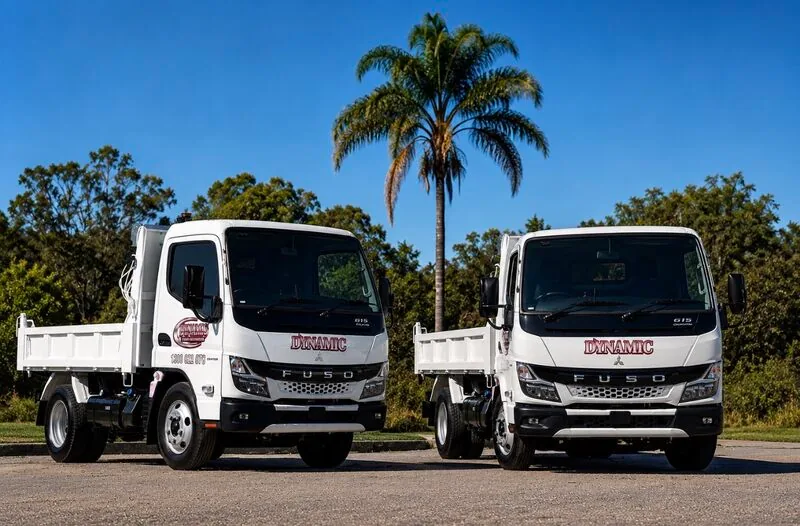
Two new Fuso tippers added to the Dynamic fleet
Two new Fuso tipper trucks have entered service, one at the Penrith depot in New South Wales and one at the Sunshine Coast depot in Queensland, supporting excavation, civil works, site clean-ups and project logistics.
3 min read
Read Article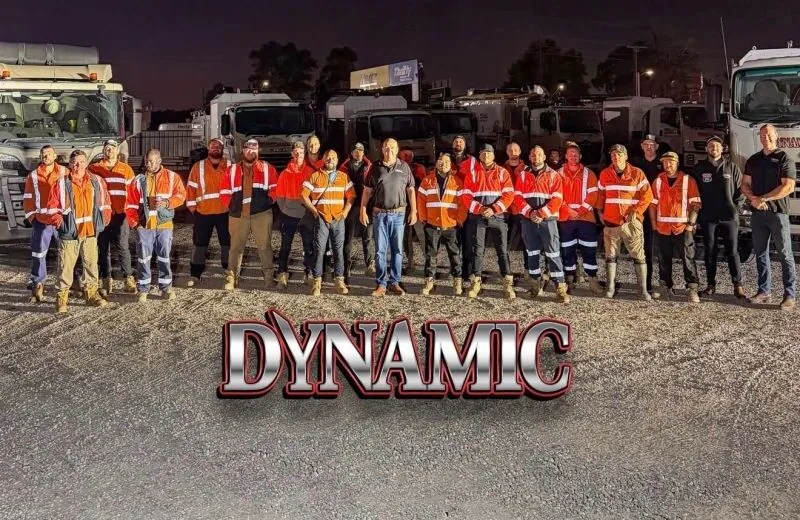
Four new trucks join the Dynamic Sydney fleet
Four new trucks have gone into service out of the Sydney depot, adding capacity for civil construction, utility works, maintenance programmes and emergency response across Sydney and greater New South Wales.
4 min read
Read ArticlePlanning works that need hydro or vacuum excavation?
Request a project quote or speak with the team about your site, access constraints and programme. We cover planned and urgent works across Queensland and New South Wales.