
Vacuum Excavation
Industrial vacuum excavation for safe, efficient exposure and removal of material.
Vacuum excavation uses powerful suction, with or without pressurised water or air, to lift soil, slurry and material from an excavation. It is a fast, controlled way to expose services, clear pits and recover material on active worksites.
What is vacuum excavation?
Vacuum excavation removes soil, slurry and debris from an excavation by suction rather than with a bucket. It covers both water-assisted and air-assisted methods, and is used to expose services, clear pits and recover material on active worksites.
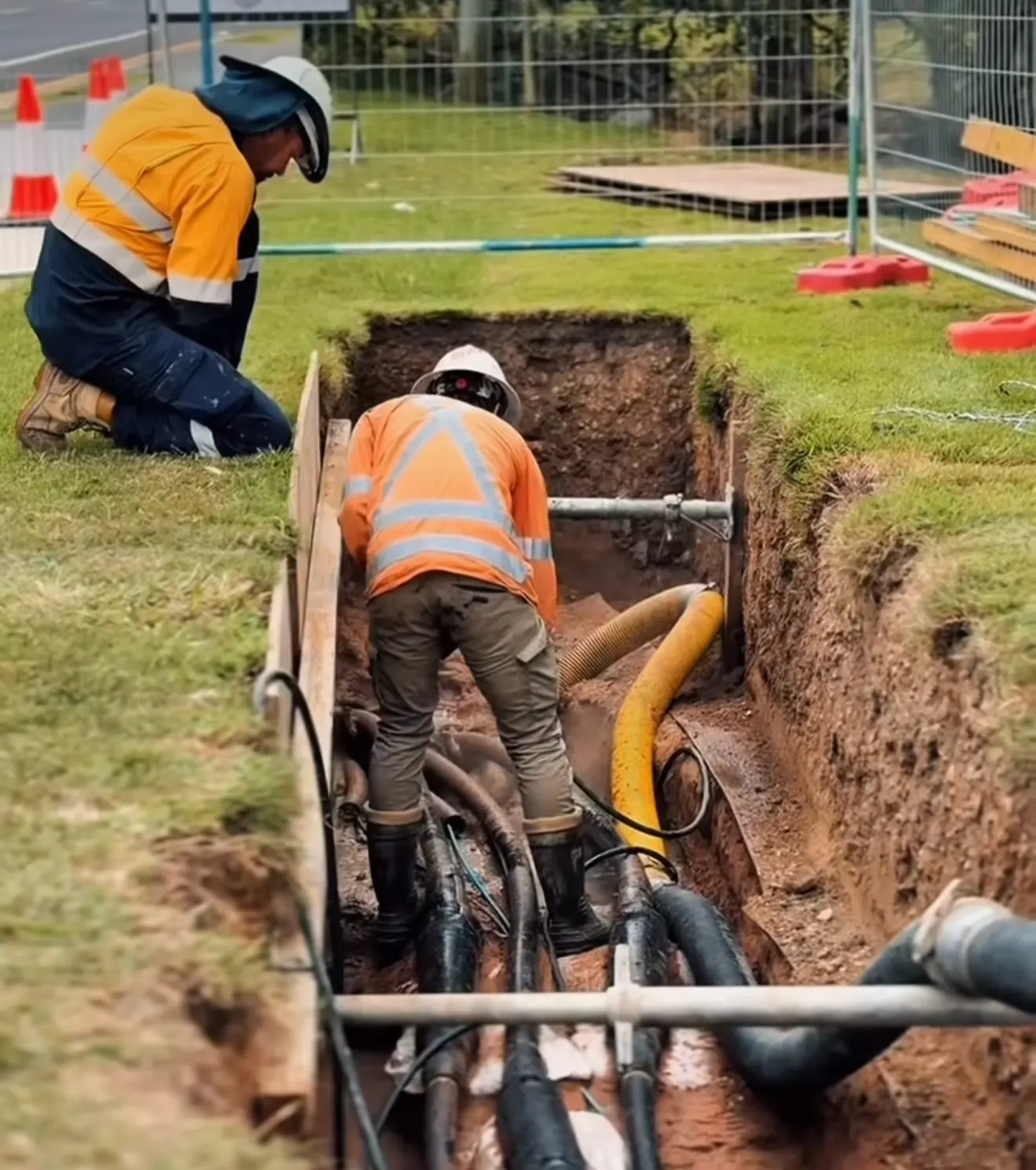
Where this service is used
- Service location and exposure
- Trench and pit excavation
- Spoil and slurry recovery
- Excavation in congested service corridors
- Debris removal
- Support for utility and civil crews
What Dynamic brings
- Truck-mounted vacuum units across the fleet
- High-capacity 10x4 configurations for volume works
- Suitable for wet and dry material recovery
- Long hose reach for restricted access
What affects the vac truck setup for your job?
Vac truck hire is planned around the job, not only the truck. These are the things that decide which unit is sent and how the shift runs.
Site access and standing position
The truck needs somewhere safe and legal to stand. Gate widths, overhead clearance, soft ground and kerbside restrictions are all worth mentioning.
Hose distance
Long hose runs let a unit work in at a distance from the street or hardstand, which covers most confined, offset and internal locations.
Material
Wet slurry, dry spoil, silt and debris behave differently in the hose and the tank. The unit is matched to the material expected.
Depth and number of excavations
A handful of potholes, a long trench and a deep pit each set a different pace for the day.
Recovered volume
Volume decides how often the unit has to leave site to empty. Where it is large, a 10x4 unit or a hydro tanker keeps work moving.
Water supply
Water-assisted digging uses water carried on the unit. On a long shift, where it can be topped up affects how continuously the truck works.
Work window and traffic management
Approved hours, lane closures and night works shape the shift before any digging starts.
Disposal
Recovered material has to go somewhere. Whether it stays on site or needs offsite disposal changes turnaround and cost.
Benefits of using Dynamic
Fast material removal
High-capacity vacuum lifts soil and slurry quickly, keeping civil programmes moving.
Precise and controlled
Suction excavation exposes assets cleanly in congested corridors.
Scales with the project
Single units for spot works or multiple trucks for sustained programmes.
From plans to an open, proven excavation
Utility work goes wrong when the plans are treated as the answer. This is the sequence Dynamic and LADS follow so that each step checks the one before it.
Before You Dig plans
Asset-owner plans show where services are recorded. They are the starting point for planning, not a position on the ground, and private services are often not on them.
Underground locating
LADS locates buried services on site with electromagnetic equipment and ground-penetrating radar, and marks out what is found.
Underground Locating (LADS)Service proving
Potholing with hydro excavation exposes each marked service so its position and depth are confirmed by sight rather than inferred.
Hydro ExcavationExcavation around proven services
Trenching, pits and footings are dug by vacuum excavation where services are close, with spoil and slurry recovered into the truck.
This service
Civil works and spoil cartage
Operated excavators take over bulk work once the services are known, and tip trucks cart spoil as part of the same programme.
Excavator Hire
Relevant equipment
Industries served
Safety considerations
- Reduces the need for personnel to enter excavations by hand
- Controlled material removal near live services
- Operators trained in vacuum unit operation and site controls
Where we deliver vacuum excavation
Vacuum Excavation is delivered by our regional teams along the Queensland and New South Wales coast. Choose a region for its serviced areas, local coverage notes and the way work is scheduled there.
Vacuum Excavation by city
What to send us for an accurate quote
Each of these has a field in the quote form, and site plans, drawings, photos and tender documents can be attached. The more of it we have, the fewer assumptions sit in the price.
- Site address and suburbSo the job goes to the nearest regional crew.
- What the truck is doingExposing services, digging a trench or pit, or recovering spoil, slurry or debris.
- Material type and estimated volumeRough is fine. It decides the unit size and how often it has to empty.
- Access, standing position and hose distanceWhere the truck can park and how far that is from the work. Photos help most.
- Known services or hazardsAnything live or suspected in the excavation area, with Before You Dig plans attached where you have them.
- Hours, shifts and day or night worksHow long you need the truck, and when.
- Disposal and site requirementsWhere recovered material goes, and any induction, permit or traffic control requirement.
Frequently asked questions
How is vacuum excavation different from hydro excavation?+
Hydro excavation always uses pressurised water to break up soil before it is vacuumed away. Vacuum excavation is the broader method of removing material by suction, which may use water or air. In practice Dynamic combines both to suit the ground and the task.
Can vacuum excavation recover wet and dry material?+
Yes. The fleet handles wet slurry and drier spoil, and units can be matched to the material and volume expected on site.
Is a vac truck the same as a vacuum excavation truck?+
Yes. Vac truck is the everyday name for the same equipment: a truck-mounted vacuum unit that lifts soil, slurry and debris into an onboard tank. On Dynamic units the same truck is used for hydro excavation and for material recovery. Booking one with an operator is what most contractors call vac truck hire.
How does a vacuum excavation truck work?+
The truck creates a strong vacuum inside a sealed debris tank. The operator works a large hose on the truck boom over the excavation while pressurised water or air breaks up the ground, and the loosened soil, slurry and debris are drawn up the hose into the tank. When the tank is full the material is taken for disposal, or left on site where that is permitted, and the truck returns to keep digging.
Does vac truck hire come with an operator?+
Yes. Dynamic vac trucks go out with an operator who runs the truck, the boom and the hose, which is what most contractors mean by wet hire. Operator tickets and site induction requirements are confirmed before mobilising.
What size vac truck does my job need?+
It depends on the material, the volume and the access rather than on the job title. Most excavation and recovery work suits a standard truck-mounted unit, larger volumes suit a 10x4 unit or a hydro tanker, and a tight site may call for a smaller unit. Tell us the material, rough volume and where the truck can stand, and the unit is matched to that.
What equipment suits a site with restricted access?+
Long hose runs let a unit stay on the street or hardstand and work in at a distance, which covers most confined, offset and internal locations. Where a truck cannot get close enough at all, a smaller unit is specified instead, so access is one of the first things confirmed when the work is scoped.
Explore related services
Hydro Excavation
Pressurised water and industrial vacuum to expose or remove soil around live services.
Vacuum Loading
High-capacity vacuum loading for sludge, slurry and wet or dry material recovery.
Hydro Tankers
High-capacity hydro tankers for large-volume material recovery on major projects.
Drain Cleaning & Jetting
High-pressure jetting and combination units for blocked and dirty pipe networks.
Related insights
Further reading on vacuum excavation
Written by the people who run this work, on how jobs are planned, what changes on site and what we have learnt doing it.
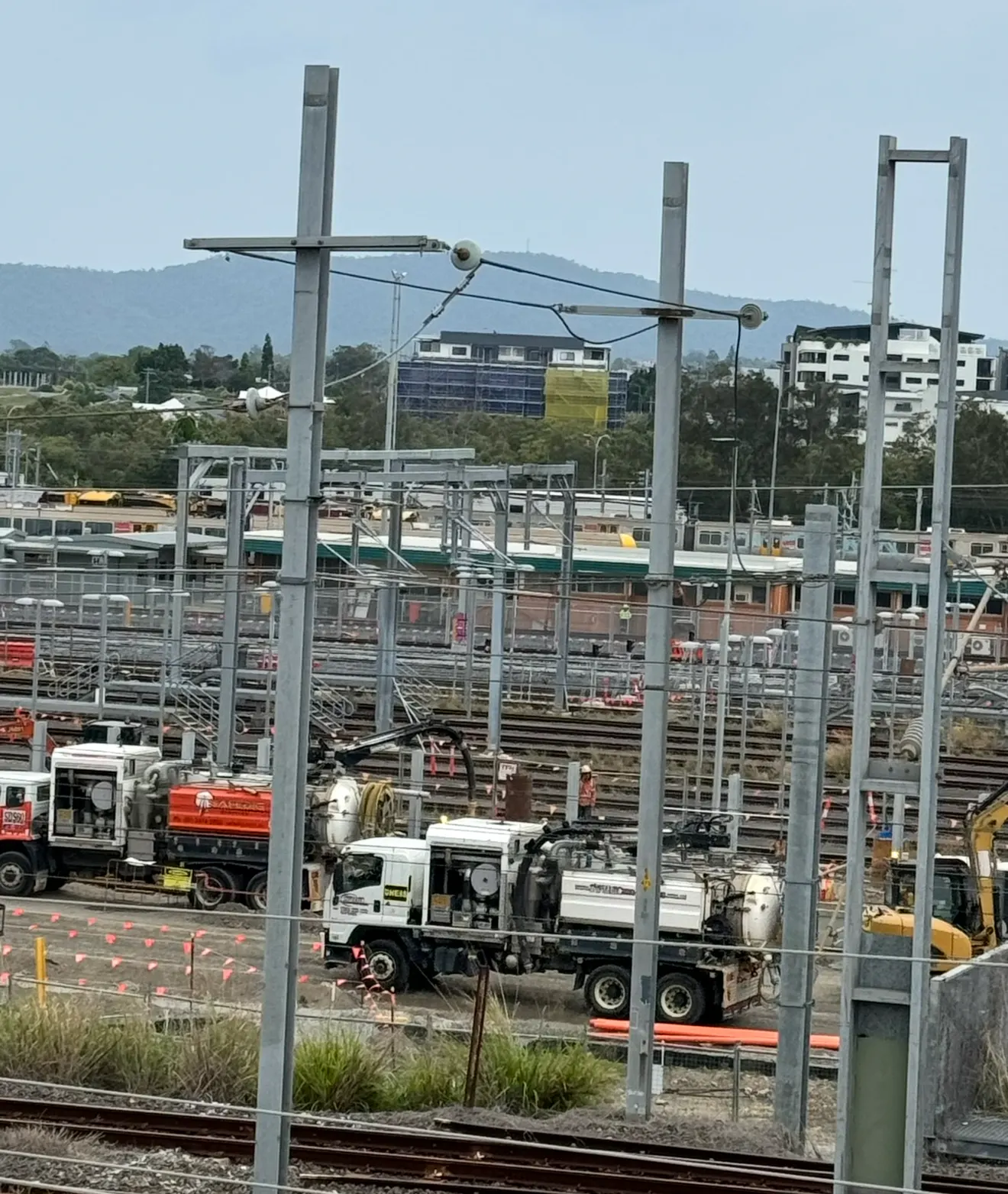
Hydro excavation as a risk control on civil construction sites
On a civil site the excavation method is a programme decision as much as a safety one. Hydro excavation is specified because it narrows the range of things that can go wrong at the point where a project is most exposed.
3 min read
Read Article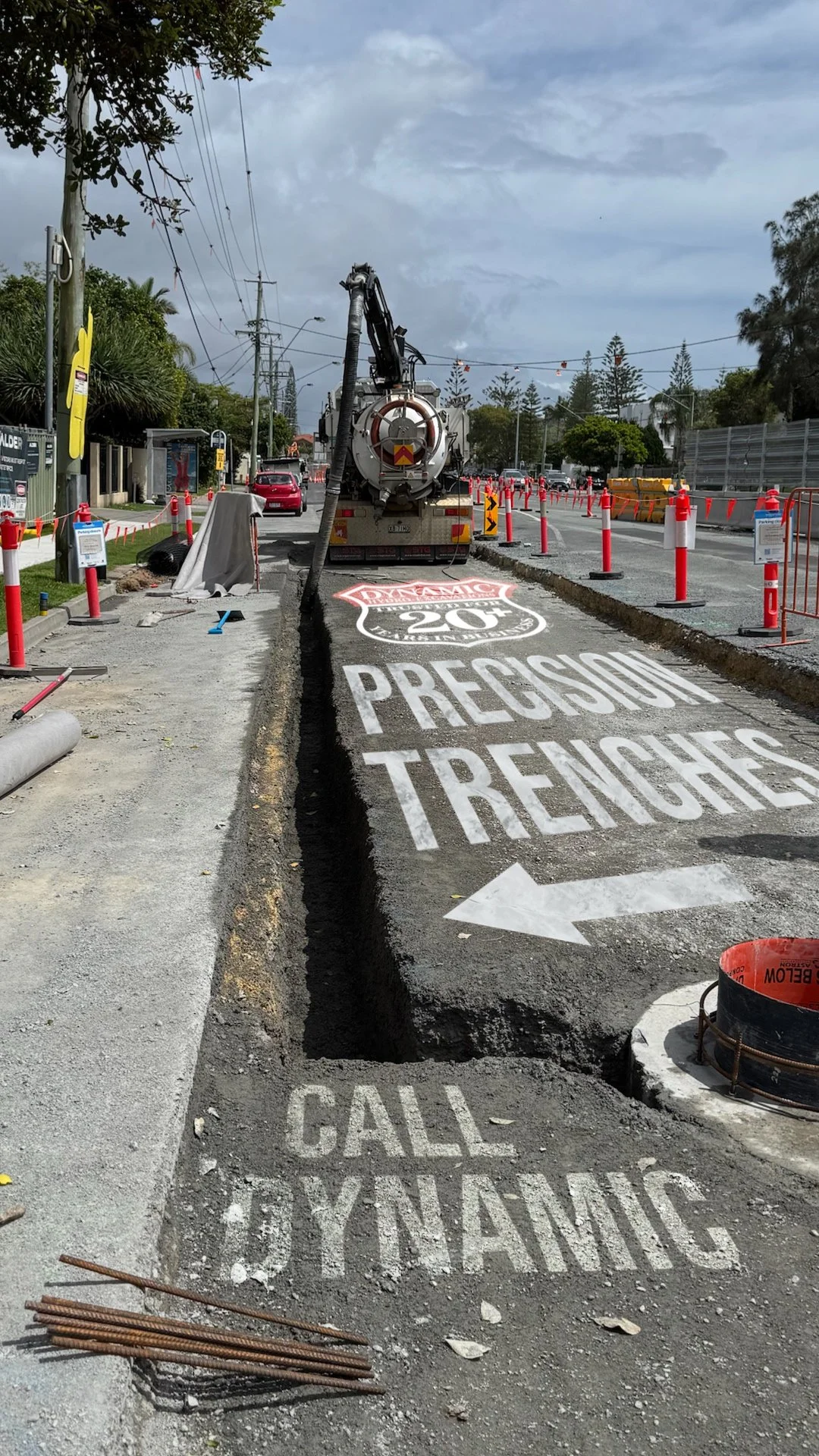
Exposing NBN and telecommunications services on the Fraser Coast
Telecommunications conduit is shallow, congested and easy to damage. This is how non-destructive digging is used to expose NBN and telecommunications assets on the Fraser Coast, and what makes the work different from general excavation.
3 min read
Read Article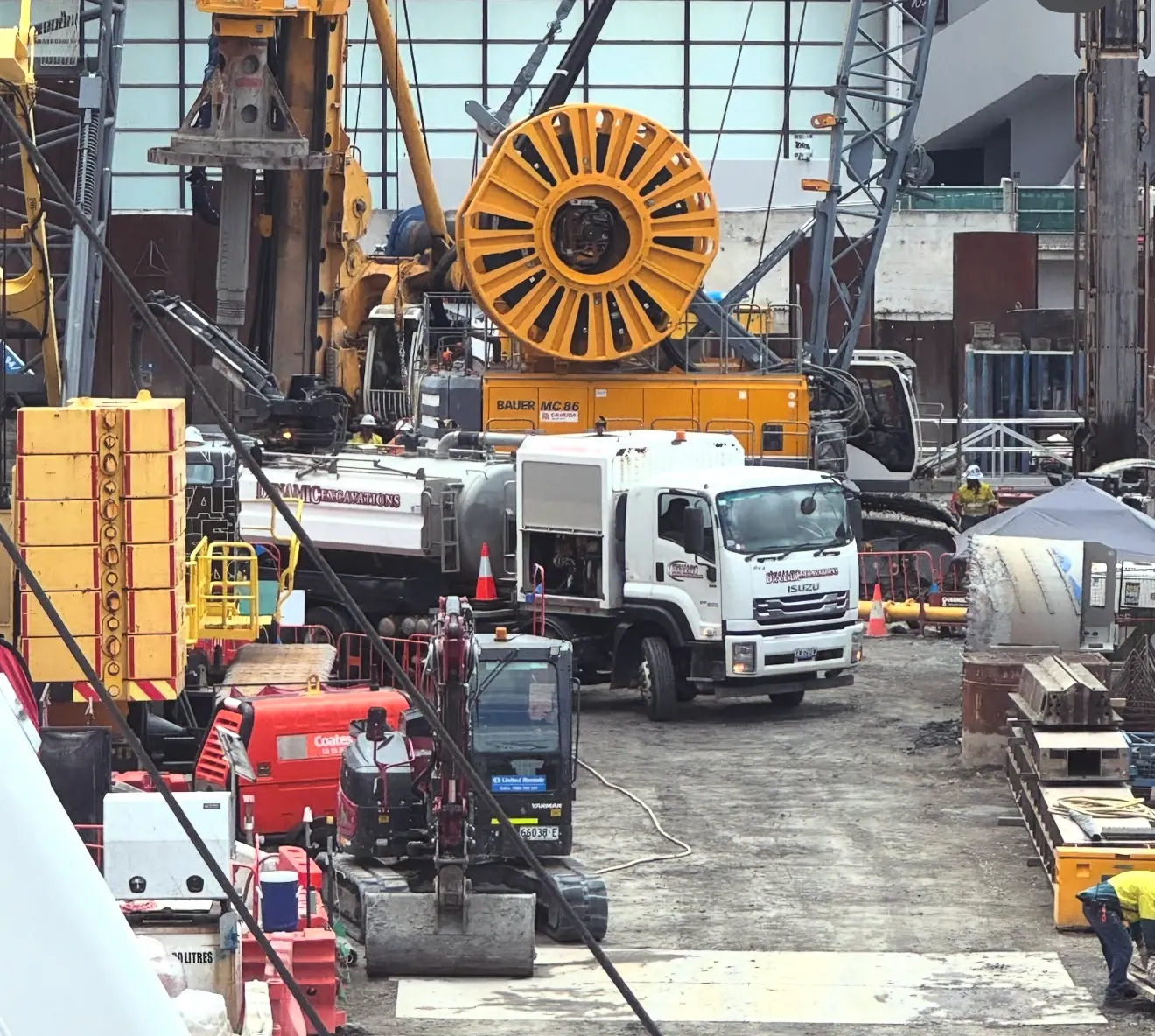
Hydro excavation compared with vacuum excavation
The two terms are often used as though they mean the same thing. In practice vacuum excavation describes the removal method and hydro excavation describes the cutting medium. Understanding the difference makes it easier to specify the right unit.
3 min read
Read ArticleProject evidence
Vacuum Excavation on live projects
Case studies where vacuum excavation formed part of the scope, including the site constraints and how the work was sequenced.
Request a Vacuum Excavation quote
Tell us about your project and our team will respond. For urgent works, call 1300 822 878.
Step 1 of 6: Service
- 1Service
- 2Location
- 3Project
- 4Contact
- 5Files
- 6Review