
Exposing NBN and telecommunications services on the Fraser Coast
3 min read
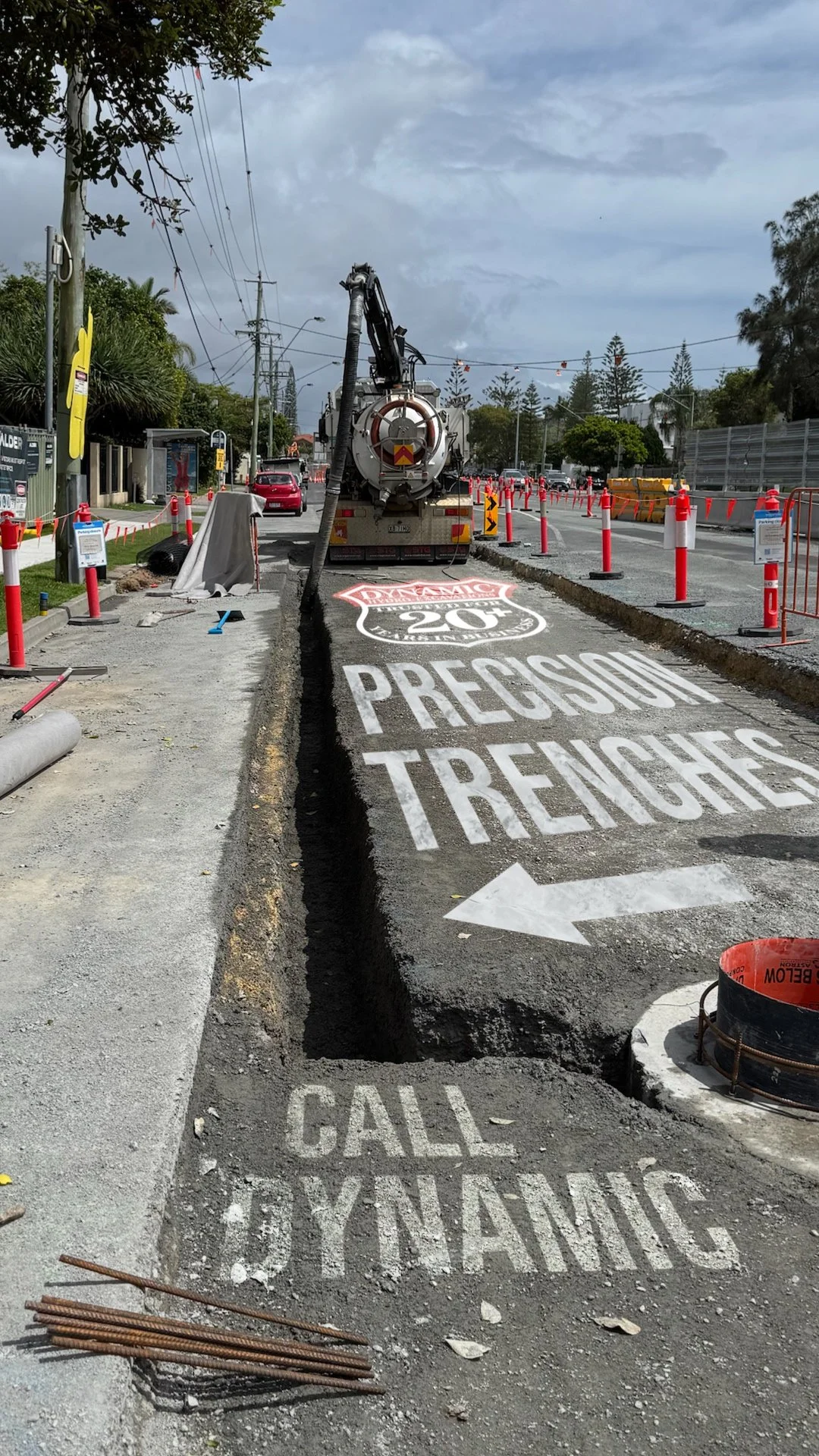
Dynamic Hydro Excavations image library
Dynamic has a depot serving Hervey Bay and the Fraser Coast, and a consistent share of the work in the region involves telecommunications assets: exposing conduit, locating and uncovering fibre, and providing access for connections, repairs and upgrades. How that work is run locally is set out on our non-destructive digging Hervey Bay page.
Telecommunications work is a good illustration of why non-destructive digging exists. The assets are often shallow, frequently sit alongside other services in the same corridor, and a single damaged bundle can affect a large number of connections at once.
Why telecommunications assets are difficult
Several characteristics make this work unforgiving:
- Conduit is commonly at shallow depth, so there is little margin between the surface and the asset
- Verges and footpaths often carry water, gas, electricity and telecommunications in the same narrow corridor
- Records vary in accuracy, particularly where a corridor has been worked on repeatedly over the years
- Flexible conduit does not always run where a plan suggests, and it can deviate around obstructions
- Damage affects services well beyond the immediate site
The sequence used on site
The process is deliberately conservative:
- Plans are obtained through Before You Dig Australia and reviewed against the scope
- Underground service locating is used to confirm what is present and where
- Locations are marked and the excavation is set out around them
- Hydro excavation removes material progressively, with pressure reduced as the expected depth is approached
- The asset is exposed and visually confirmed before any further work proceeds
- The excavation is backfilled and the surface reinstated once access is no longer required
The point of the sequence is that each step reduces uncertainty before the next one starts. Non-destructive digging is the step that gives the operator control at the moment the excavation reaches the asset.
Working in residential streets
Much of this work happens in front of houses, across driveways and along footpaths. That brings its own requirements: pedestrian management, keeping access open, containing spoil rather than stockpiling it on a nature strip, and reinstating a surface that a resident has to live with afterwards.
Because vacuum excavation removes spoil into the truck tank, there is no material left on the verge while the excavation is open. On residential streets that is a practical advantage rather than a technical one.
Experience with NBN-related works
Dynamic has used hydro and vacuum excavation on NBN-related works since the network rollout began, including works on the Gold Coast where excavation for the project uncovered a damaged water main in the same corridor. That is a common outcome: exposing one asset often reveals the condition of another, and it is far better to find it with a suction hose than with a bucket.
What the client usually needs from the excavation
On telecommunications works the deliverable is rarely just a hole. The asset has to be exposed cleanly enough to work on, its position and depth recorded, and the excavation left in a state that suits whatever comes next.
- Enough clearance around the conduit for a splice, joint or connection to be made
- Confirmation of depth and alignment for design or as-built records
- The asset exposed without disturbing the bedding or support around it
- Adjacent services identified and left undamaged
- A backfilled and reinstated surface once access is no longer required
Where an excavation has to stay open between shifts, plating, fencing and signage are arranged so the site is safe while it is unattended.
When records and reality disagree
It is common to find something in an excavation that no plan showed, or to find a located asset a couple of hundred millimetres from where it was marked. Neither is unusual, and neither is a reason to keep going. The excavation is widened carefully, or a second pothole is put down, until the alignment is clear.
Recording what was actually found is often as useful to the client as the excavation itself, particularly in a corridor that will be worked on again. Where the condition of drainage or conduit is also in question, CCTV inspection can be run during the same visit.
Coverage across the Fraser Coast and wider Queensland
The Hervey Bay depot covers the Fraser Coast region, and neighbouring depots on the Sunshine Coast and in Brisbane provide additional capacity for larger programmes. Where a site is difficult to reach, 4x4 units can access ground that a conventional truck cannot. Grouping several sites into one run is covered on our vac truck hire Hervey Bay page.
For telecommunications, utility or civil works in the region, request a project quote or contact us to discuss the site.
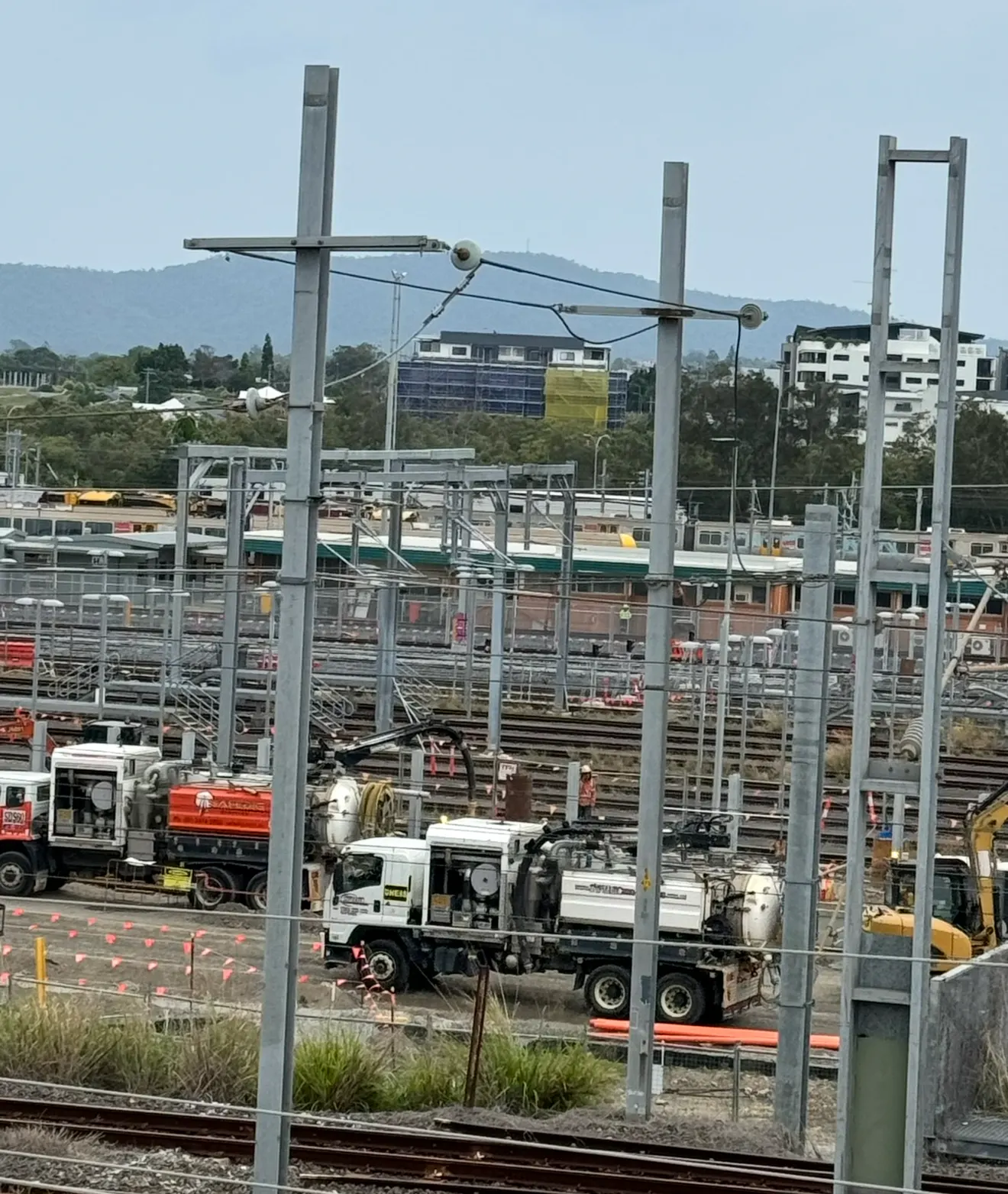
Services in this article
Related service regions
Related reading
More news & insights
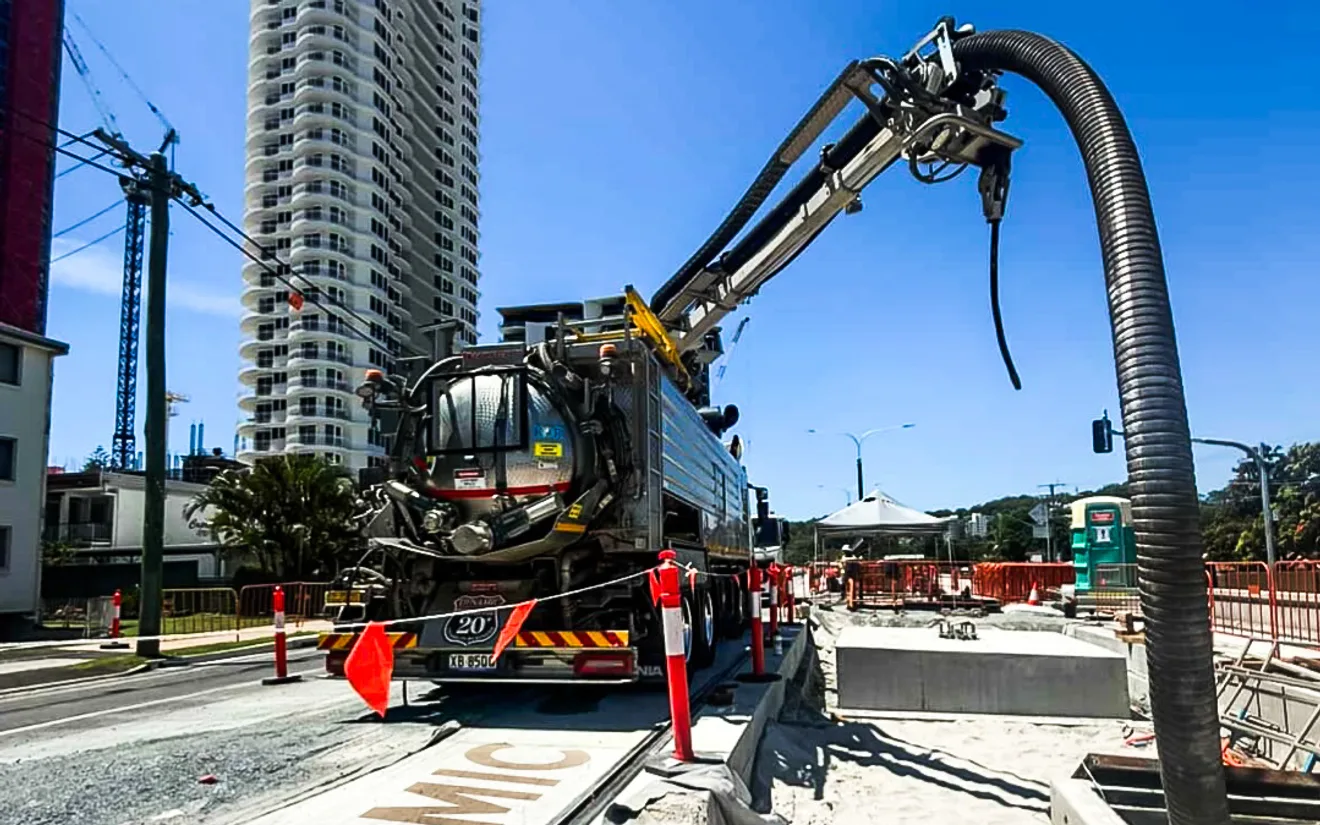
Non-destructive digging around live underground services
Non-destructive digging removes the mechanical cutting edge from the excavation, which is what makes it suitable for work around live services. It helps reduce the risk of a service strike, but only as part of a sequence that starts well before a truck arrives.
3 min read
Read Article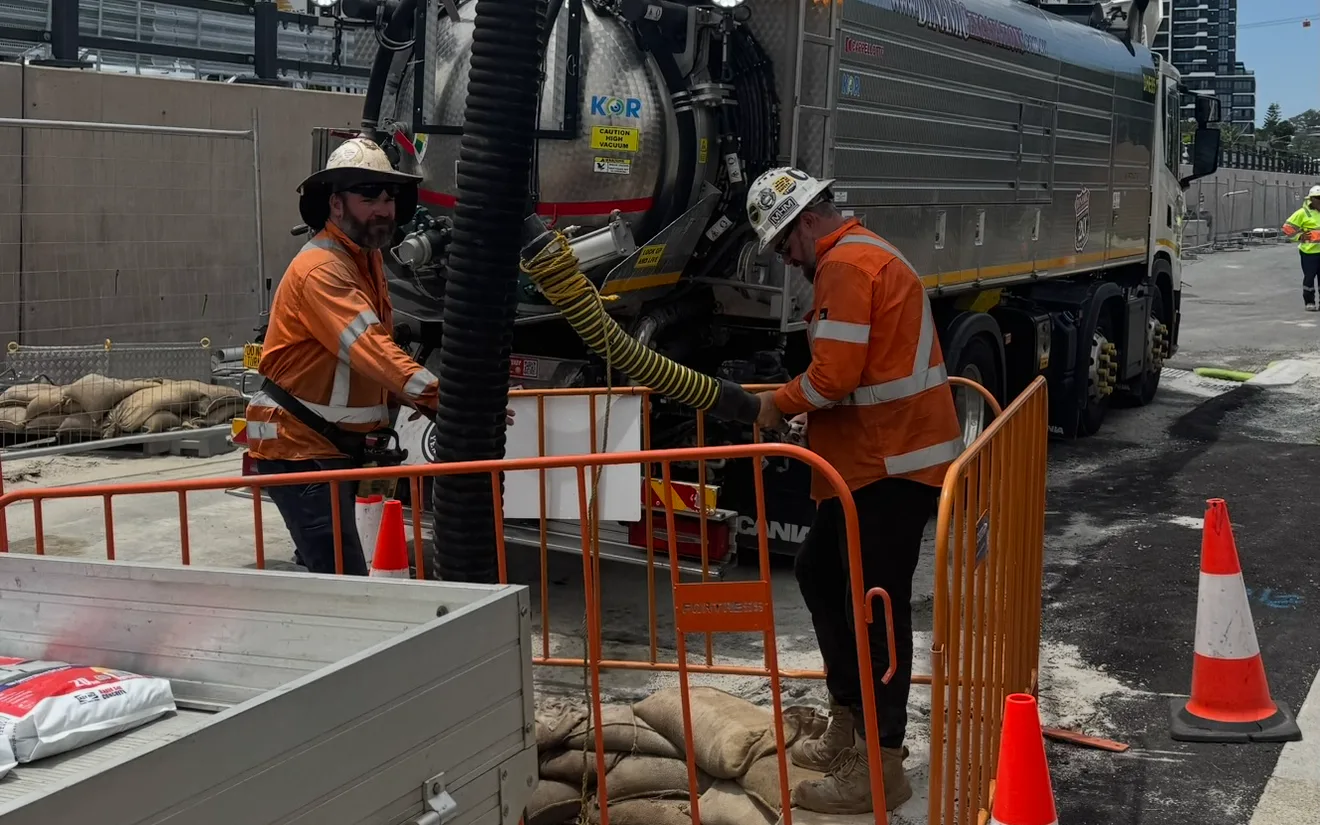
What is hydro excavation and how does it work?
Hydro excavation combines a high-pressure water jet with high-volume suction to remove soil without a mechanical cutting edge. It is the standard method for exposing live underground services and for digging where a machine bucket cannot be used safely.
3 min read
Read Article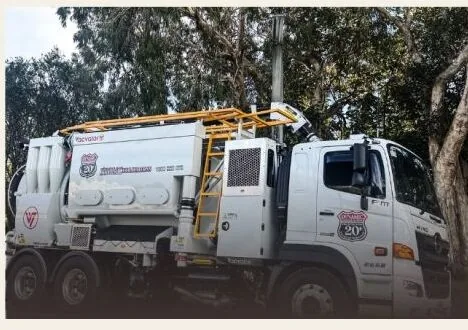
Air excavation: how Dynamic uses Vacvator units on live services
Air excavation uses compressed air rather than water to break up ground around buried services. Dynamic is rolling out Vacvator units across its East Coast operations, adding a dry option alongside hydro excavation.
3 min read
Read ArticlePlanning works that need hydro or vacuum excavation?
Request a project quote or speak with the team about your site, access constraints and programme. We cover planned and urgent works across Queensland and New South Wales.