
What is hydro excavation and how does it work?
3 min read
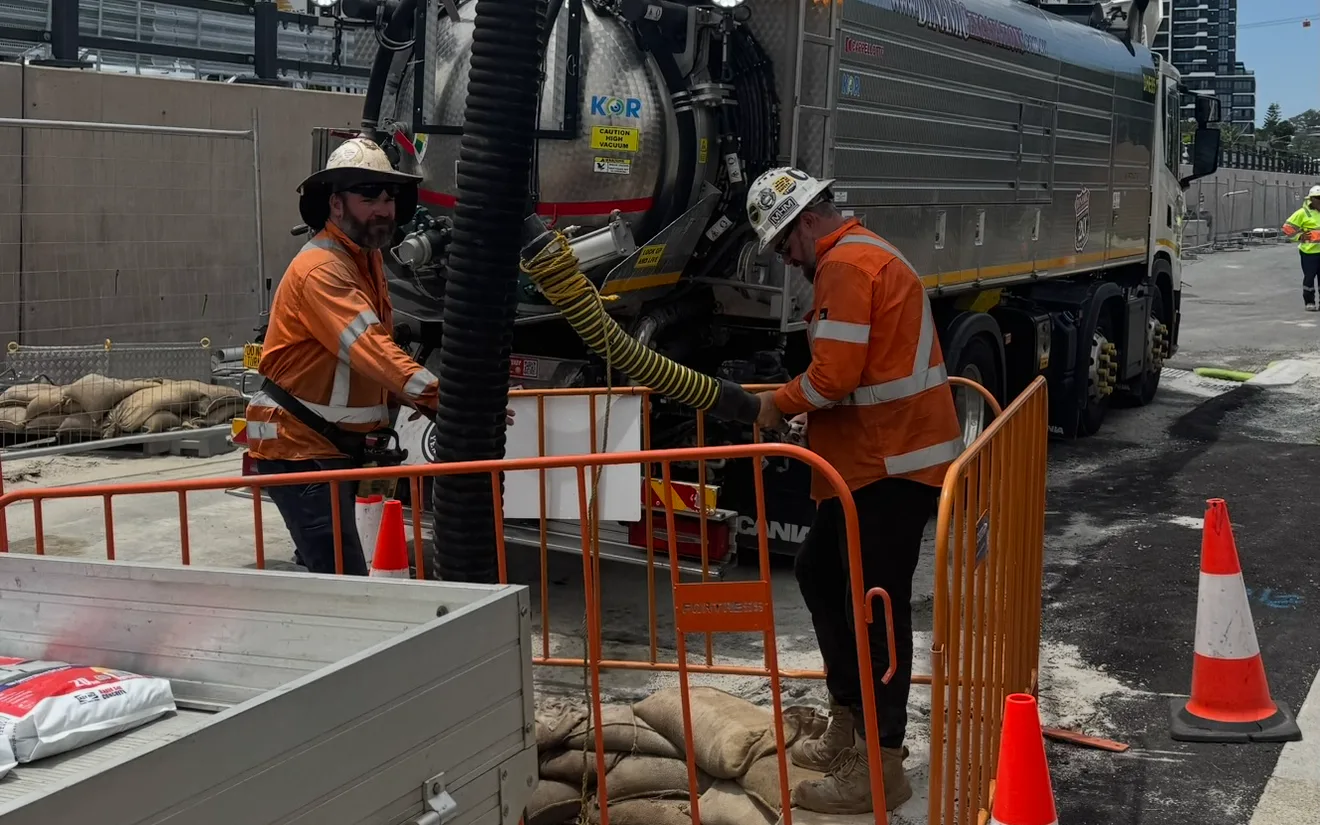
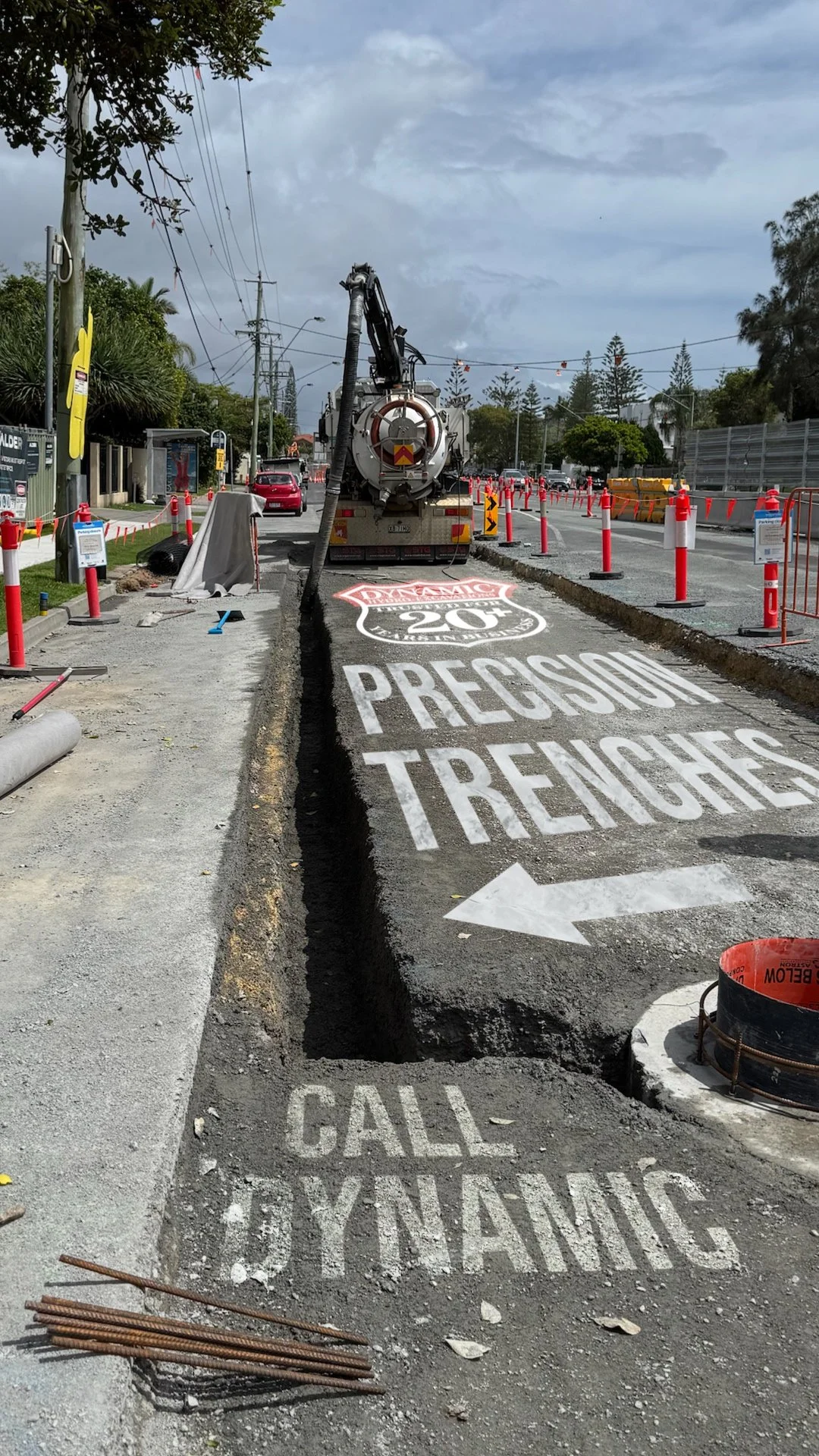
Dynamic Hydro Excavations image library
Hydro excavation is a two-part process. A controlled high-pressure water jet breaks up and loosens the soil, and a high-volume vacuum system lifts the resulting slurry into a tank on the truck. There is no mechanical cutting edge, no bucket and no blade in the excavation.
That single characteristic is why the method exists. Water will cut soil and stop at a pipe or a cable. A machine bucket will not.
The two stages in practice
Cutting
The operator directs a pressurised water jet at the ground, working progressively rather than in one pass. Pressure and flow are adjusted to the soil and to what is expected to be in the excavation. Around a known asset, the operator works down in stages and reduces pressure as the target depth approaches.
Removal
A large-diameter suction hose removes the loosened material continuously, so the excavation stays open and visible while the work proceeds. The spoil is contained in the truck tank rather than stockpiled beside the hole, which is a significant advantage on footpaths, roads and constrained sites.
Because the material leaves site in the tank, there is no spoil pile to fence, no wind-blown material and no reinstatement of a laydown area afterwards.
Where hydro excavation is used
The applications are wider than most people expect:
- Potholing to confirm the position and depth of an underground service
- Exposing water, gas, electrical, sewer and telecommunications assets for repair or connection
- Service trenching where accuracy matters more than volume
- Excavating in confined spaces and tight footprints where plant cannot fit
- Under-excavation beneath existing structures, slabs and pipework
- Digging around tree roots without severing them
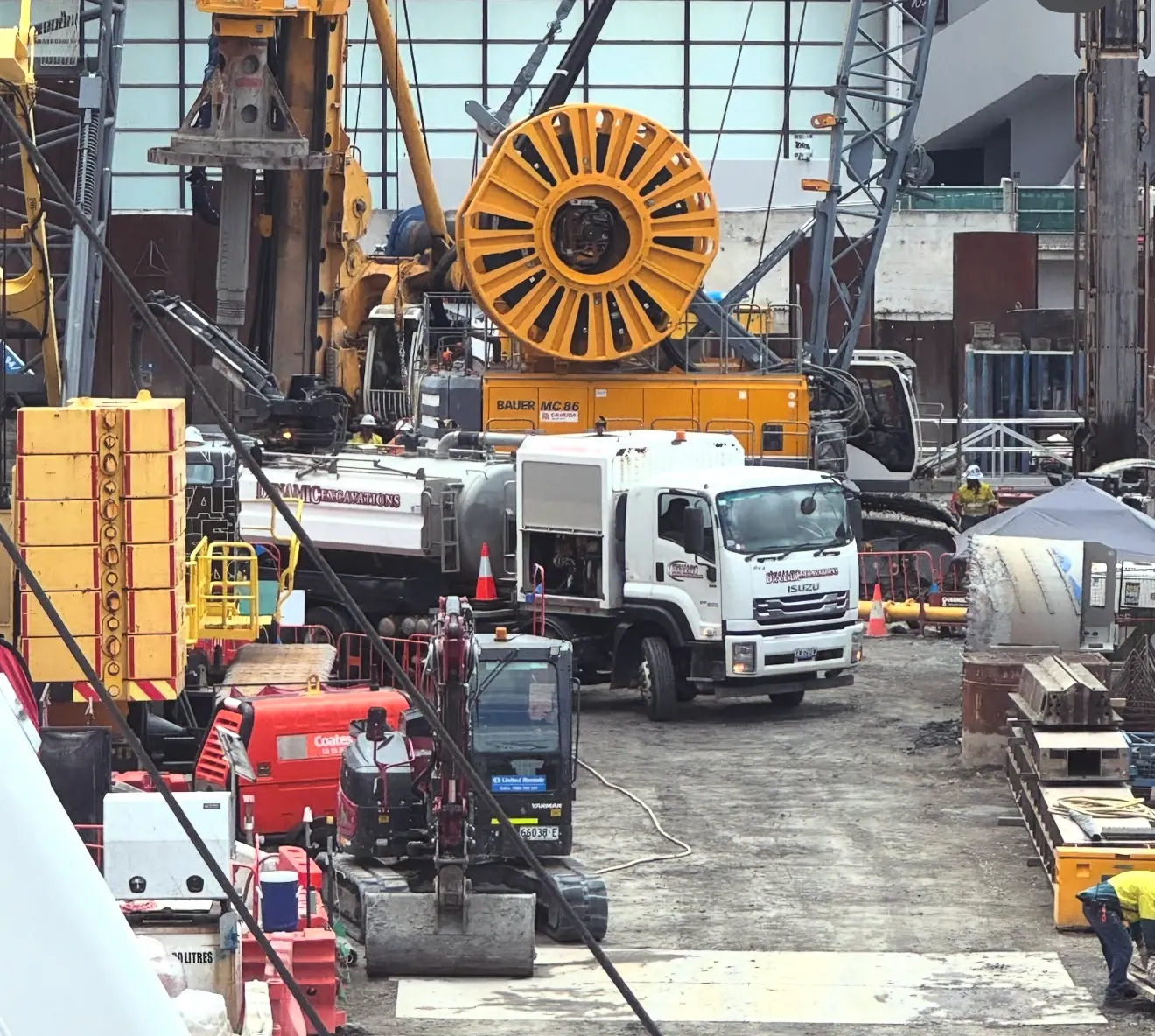
- Piling and pile-cap preparation alongside other plant
- Debris and spoil removal, including from pits and chambers
- Excavation at distance from the truck, where the boom and hose reach into an area a vehicle cannot enter
Where it fits with locating
Hydro excavation does not replace the steps that come before it. Before any excavation, plans should be requested through the Before You Dig Australia referral service, and on most sites those plans should then be confirmed on the ground with underground service locating.
Plans show what a network operator believes is there. Locating equipment narrows that down. Hydro excavation is what confirms it visually without damaging it. Each step reduces uncertainty; none of them removes the need for the others.
What it does not do well
Hydro excavation is slower than a machine on large volumes of open ground, and it costs more per cubic metre. On bulk earthworks with no services present, an excavator is the right tool. The method earns its place where accuracy, access or asset protection is the governing constraint.
It also produces wet spoil, which has to be handled and disposed of appropriately. Where dry spoil is preferable, air excavation is the better option.
What happens to the spoil and the water
Everything the vacuum removes ends up in the tank, so every job has a disposal step. Slurry is taken to a facility licensed to receive it and the tank is discharged before the next job. On longer programmes that cycle sets the working rhythm: the unit works until the tank is full, discharges, and returns.
Water supply matters as much as disposal. A unit carries its own water, and how long it can work before refilling depends on the ground and the size of the excavation. On remote or extended jobs, a nominated fill point or a hydro tanker working alongside the excavation unit keeps the crew productive rather than travelling.
Preparing a site for a hydro excavation crew
A few details settled in advance make a noticeable difference to how much gets done in a shift:
- A standing position for the truck within hose reach of the excavation
- Current service plans and, where required, a completed locate
- Agreement on where a surface has to be cut and how it will be reinstated
- Clarity on who is providing traffic management and site access
- Any permit, induction or exclusion requirement from the asset owner
Where those are unresolved a crew can usually work around them, but on a constrained site the excavation itself is rarely the part of the day that takes longest.
Arranging hydro excavation
Dynamic provides hydro excavation across Queensland and New South Wales, from the Gold Coast and Brisbane through to Sydney, Townsville and Cairns. To discuss a site, request a project quote.
Services in this article
Related service regions
Related reading
More news & insights
Hydro excavation compared with vacuum excavation
The two terms are often used as though they mean the same thing. In practice vacuum excavation describes the removal method and hydro excavation describes the cutting medium. Understanding the difference makes it easier to specify the right unit.
3 min read
Read Article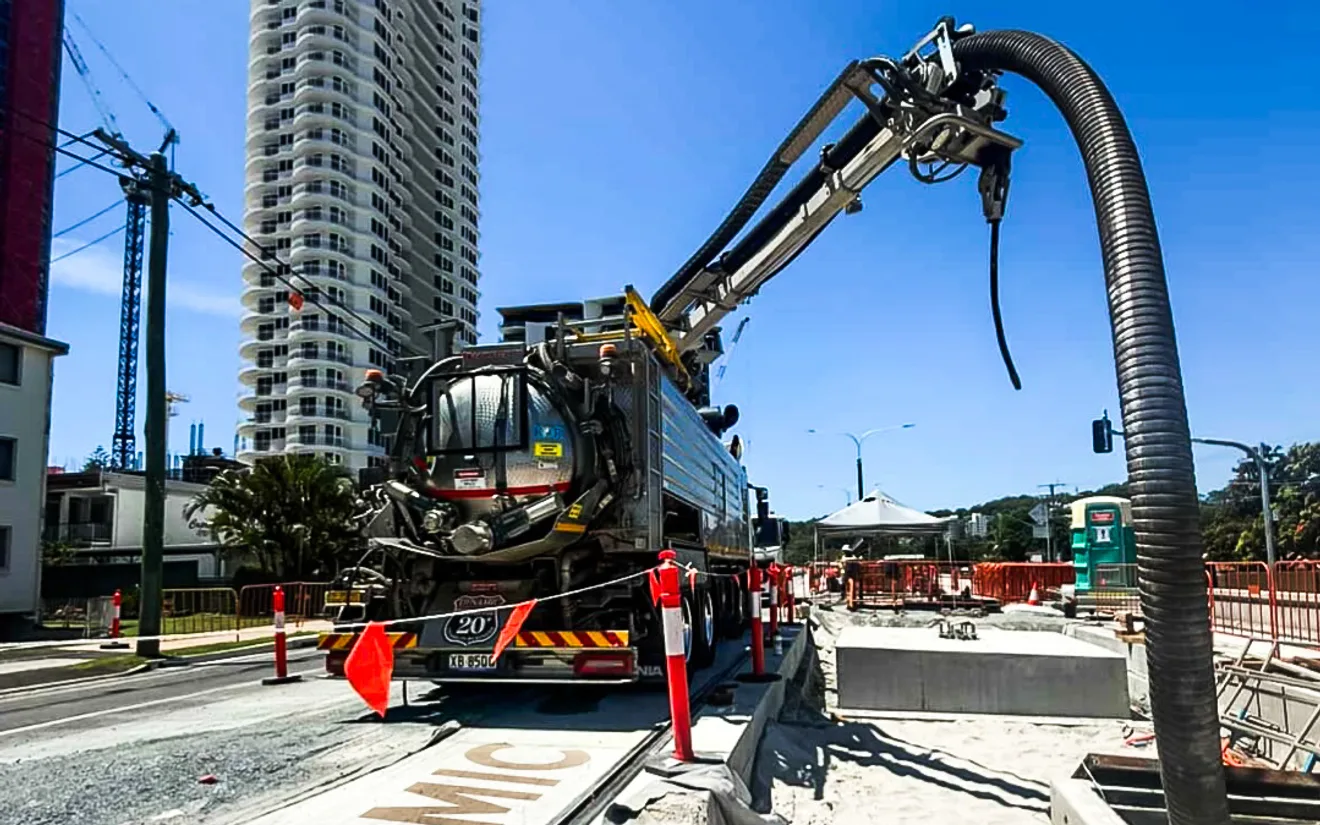
Non-destructive digging around live underground services
Non-destructive digging removes the mechanical cutting edge from the excavation, which is what makes it suitable for work around live services. It helps reduce the risk of a service strike, but only as part of a sequence that starts well before a truck arrives.
3 min read
Read Article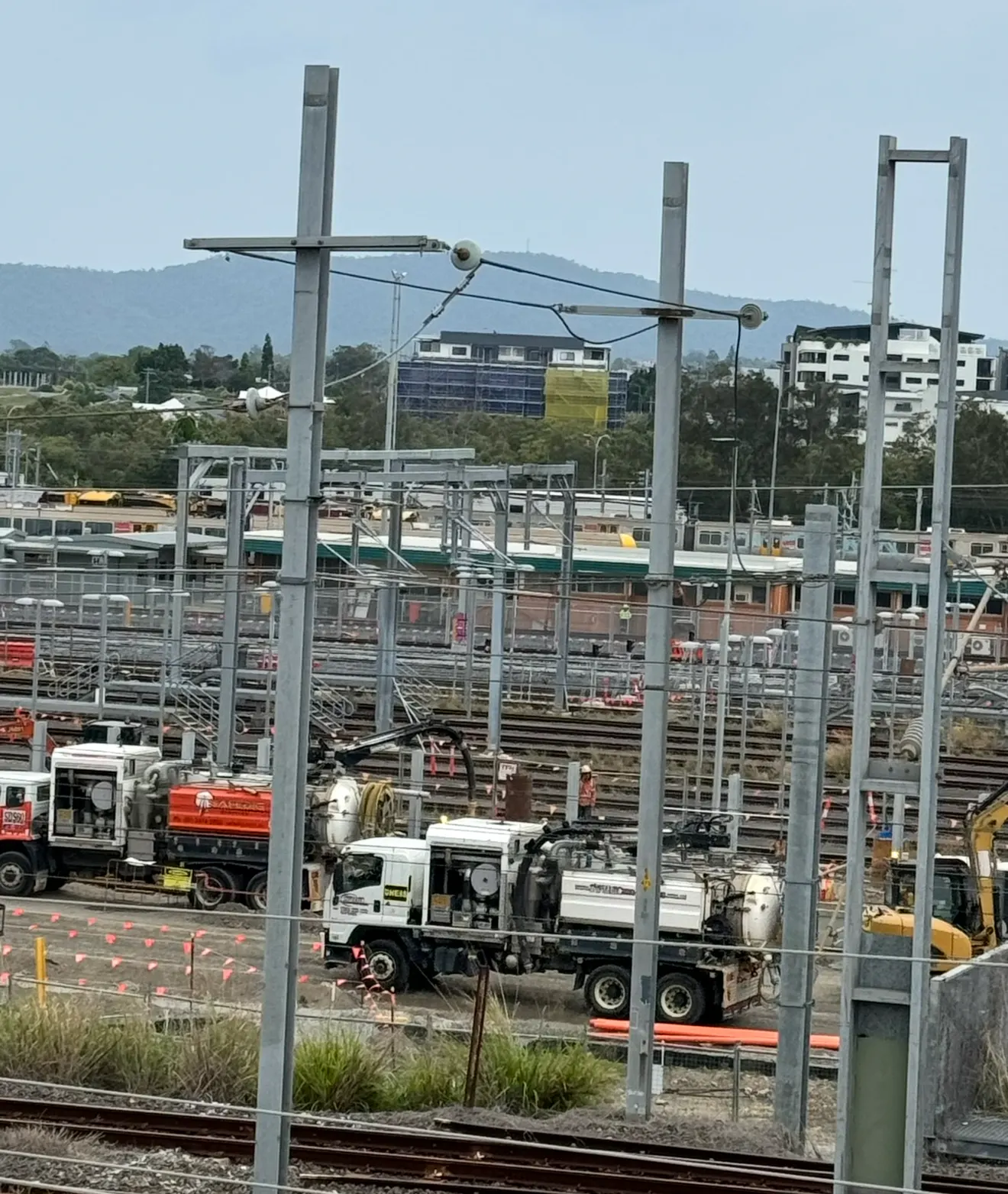
Hydro excavation as a risk control on civil construction sites
On a civil site the excavation method is a programme decision as much as a safety one. Hydro excavation is specified because it narrows the range of things that can go wrong at the point where a project is most exposed.
3 min read
Read ArticlePlanning works that need hydro or vacuum excavation?
Request a project quote or speak with the team about your site, access constraints and programme. We cover planned and urgent works across Queensland and New South Wales.