Why Brisbane jobs start with service proving
Inner Brisbane has water, sewer, gas, power and communications assets laid over many decades, often in the same road reserve. Before You Dig Australia plans show roughly where an asset should be. They do not confirm its depth, whether it has been relocated, or whether an unrecorded service shares the trench.
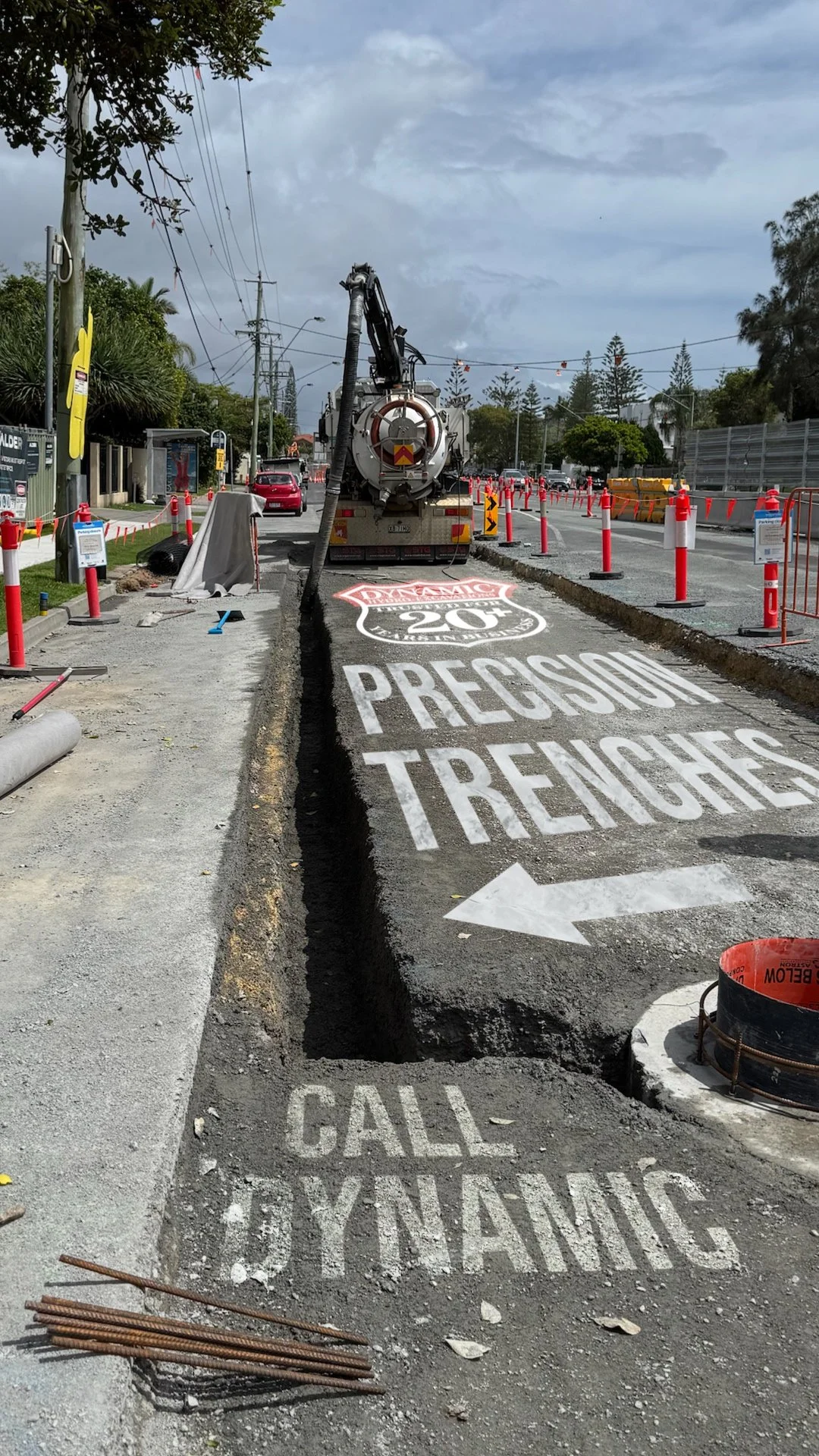
A hydro excavated pothole answers those questions with the asset in view. Surveyed before design is finalised, it lets an engineer route a new service or set a pile position around what is actually there, rather than around a line on a plan.
Clay, fill and rock across the metropolitan area
Ground changes quickly across Brisbane. Reactive clays are common, older suburbs carry layers of fill and past reinstatement, and some sites reach weathered rock at shallow depth. Water cuts compacted and cohesive ground more effectively than air, which is one reason hydro excavation remains the default for service exposure on most Brisbane sites.
Units carry cold and hot water capability for different ground, and the realistic rate of progress on a site is confirmed when the job is scoped rather than promised up front. If rock or heavily cemented material is expected, say so at enquiry so the right equipment is allocated.
Transport corridors, rail and constrained streets
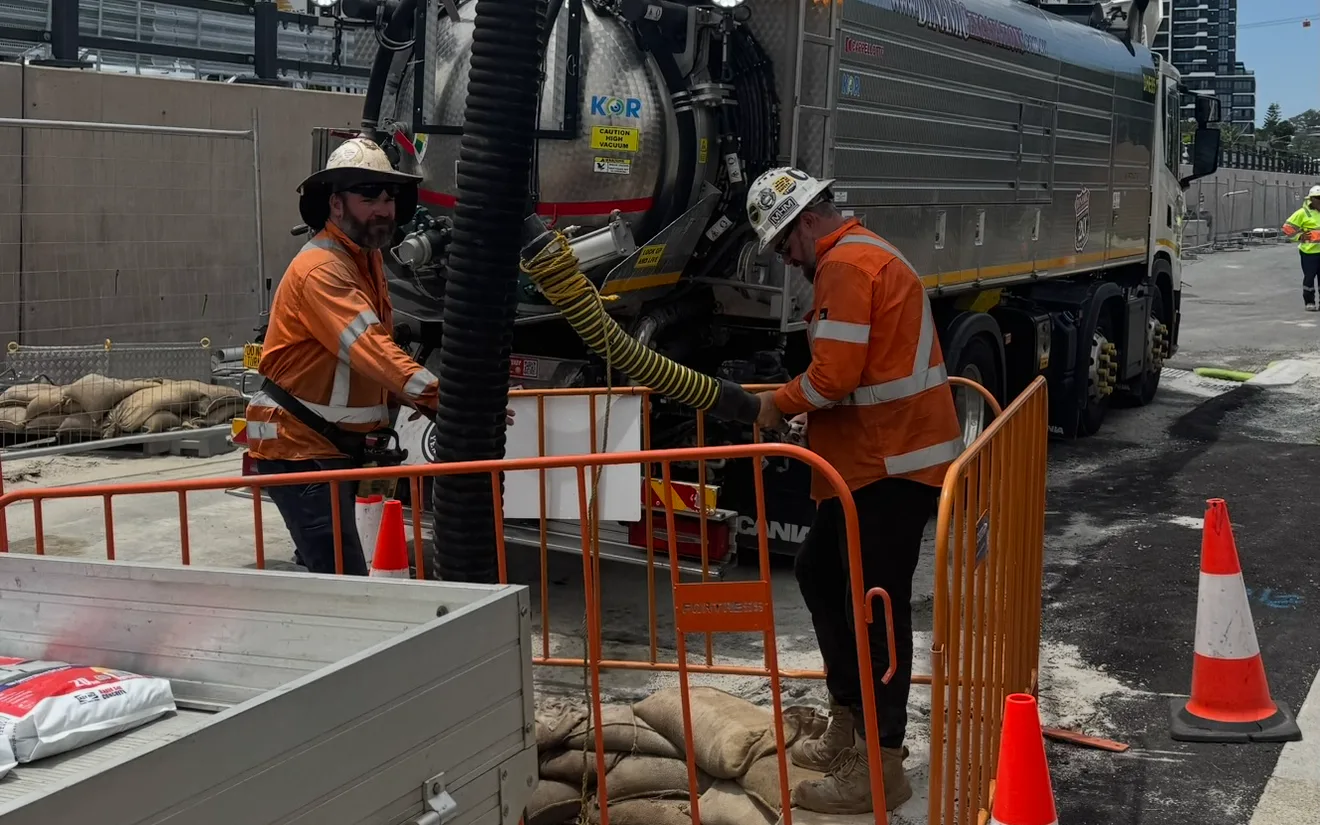
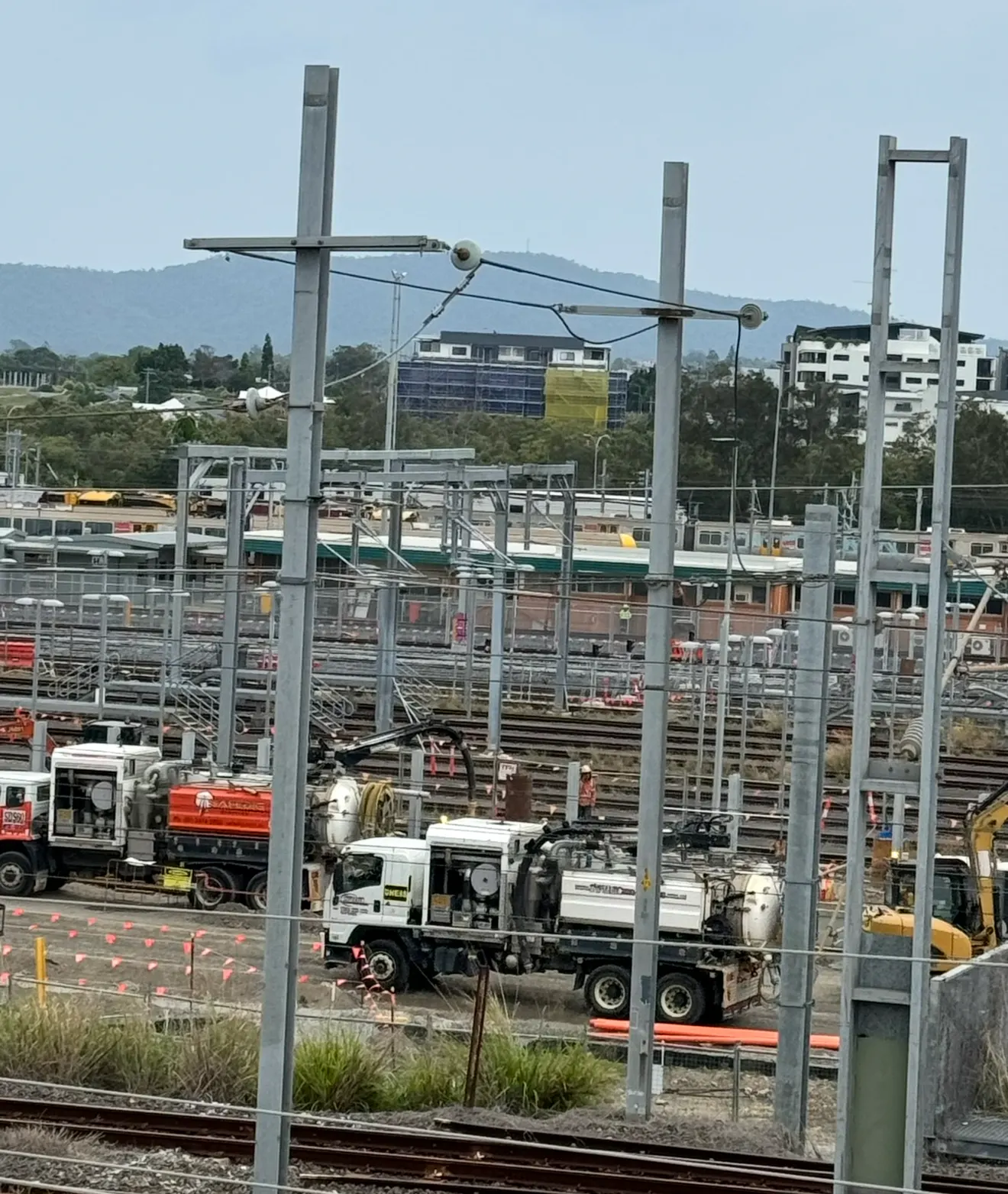
Much of the metropolitan work sits in trafficked road reserves, beside rail corridors or on sites with very little standing room. There the excavation is rarely the constraint. Truck position, traffic management, permits and the length of the access window usually decide how the shift runs.
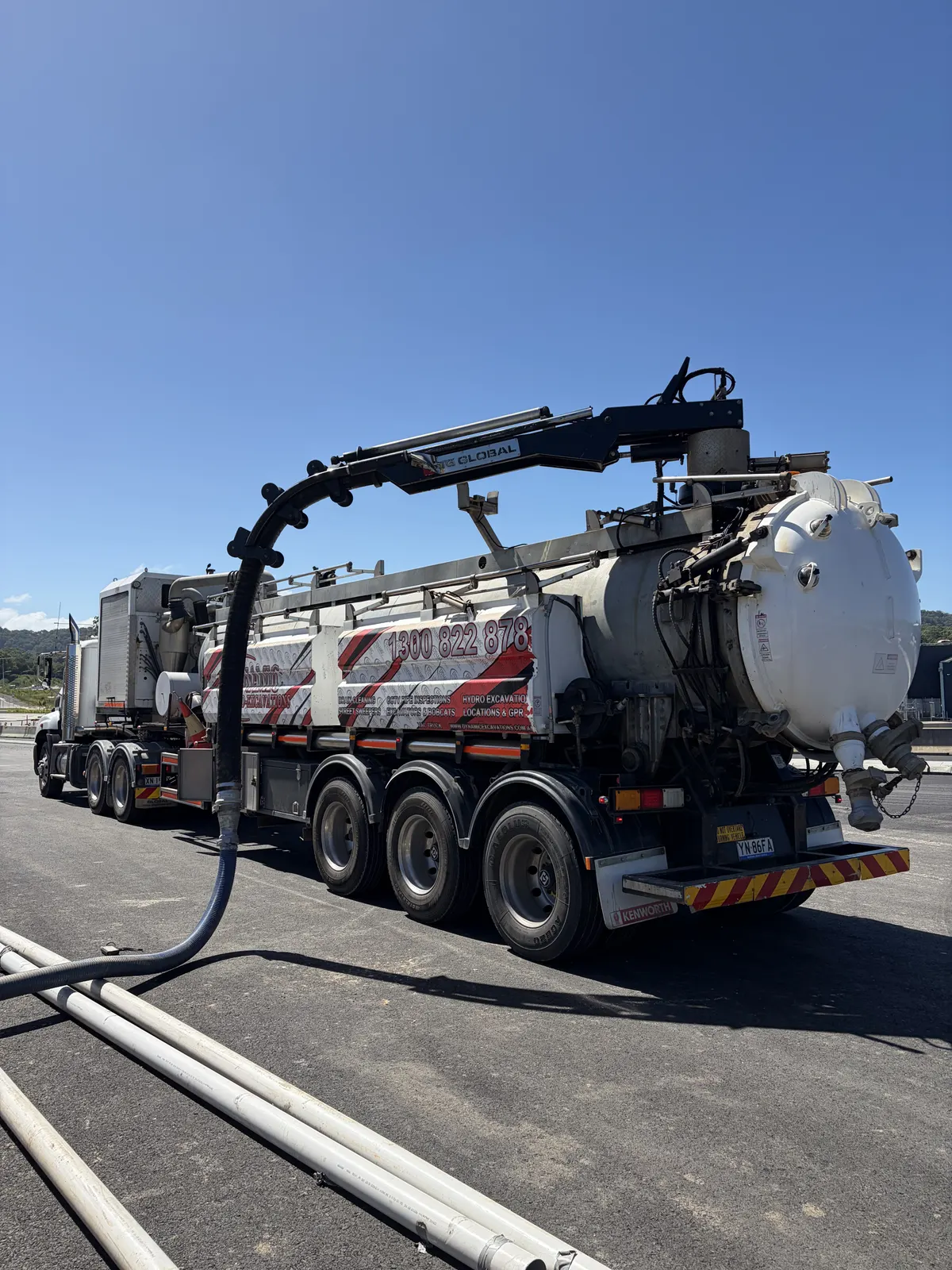
Long suction hoses let a unit stand on the street or a hardstand and work in at a distance, which suits kerbside pits, footpaths and offset positions behind barriers. Traffic control, approved hours and any after-hours requirement are worked through before the crew mobilises.
Single potholes through to programmes
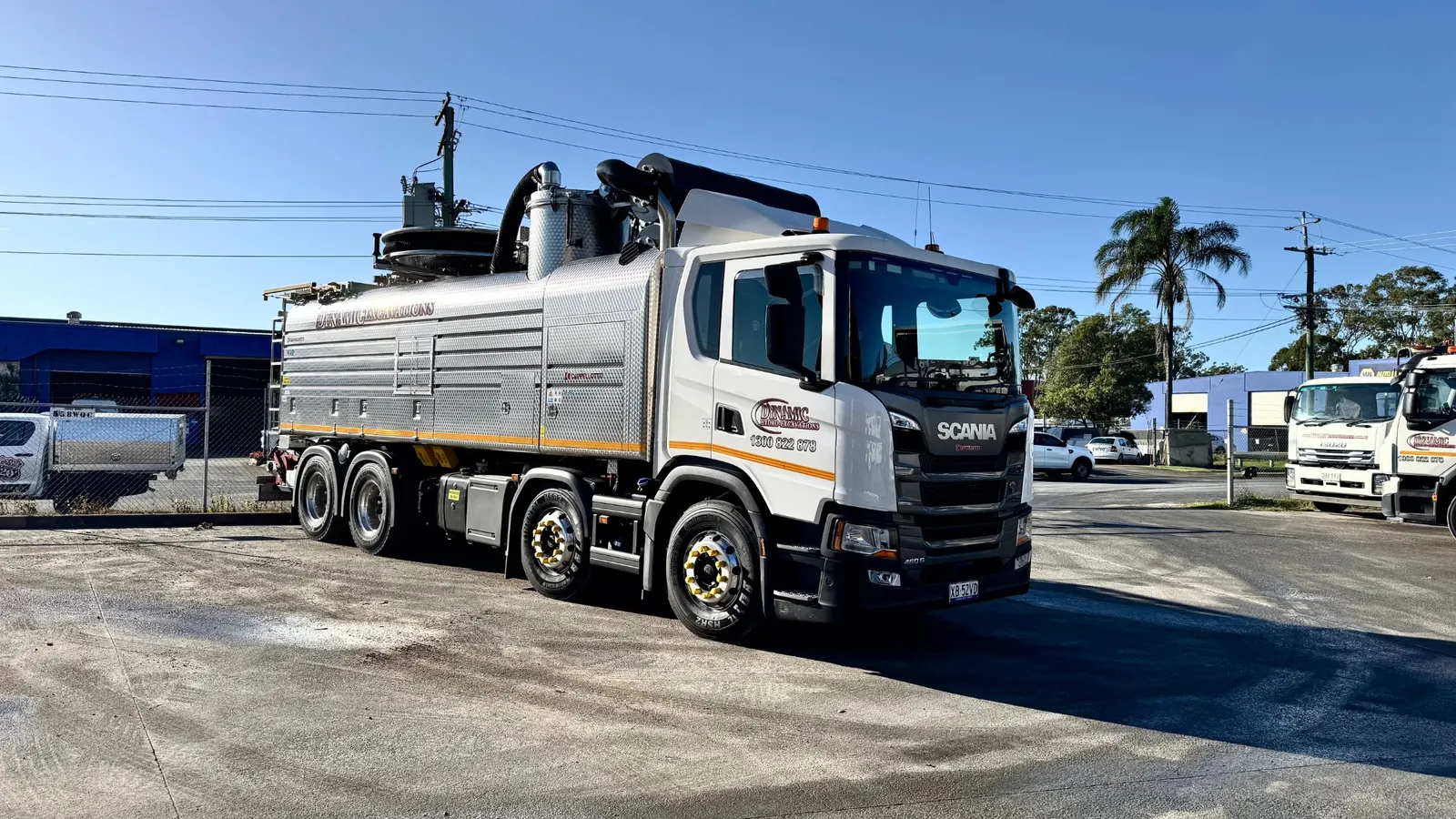
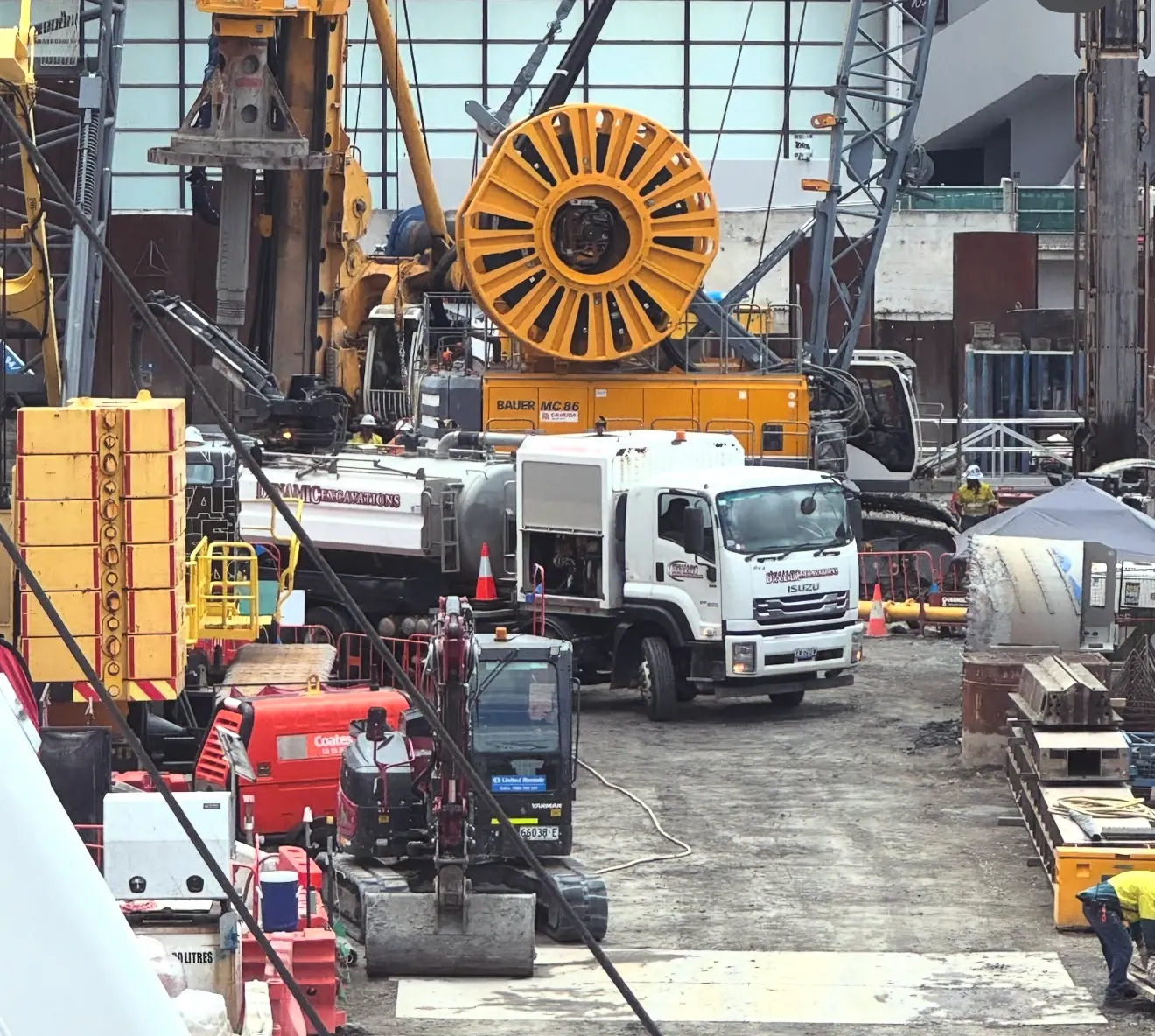
Brisbane work ranges from one pothole to prove a crossing through to multi-site potholing programmes that confirm asset positions ahead of a utility upgrade. Larger jobs can be backed by 10x4 vacuum trucks and hydro tankers where the spoil volume would otherwise send a smaller unit off to tip several times a shift.
On a programme, the locate and the pothole are best sequenced together. LADS, part of the Dynamic Group, marks the services and the hydrovac crew follows to expose and prove each one, all booked through one point of contact.