Two states, two sets of rules
The state border runs straight through the urban area at Tweed Heads, and it changes more than the road signs. Assets on each side belong to different owners, built to different standards, with different notification, permit and reinstatement requirements. A job a few hundred metres into New South Wales can need different paperwork from an identical one just inside Queensland.
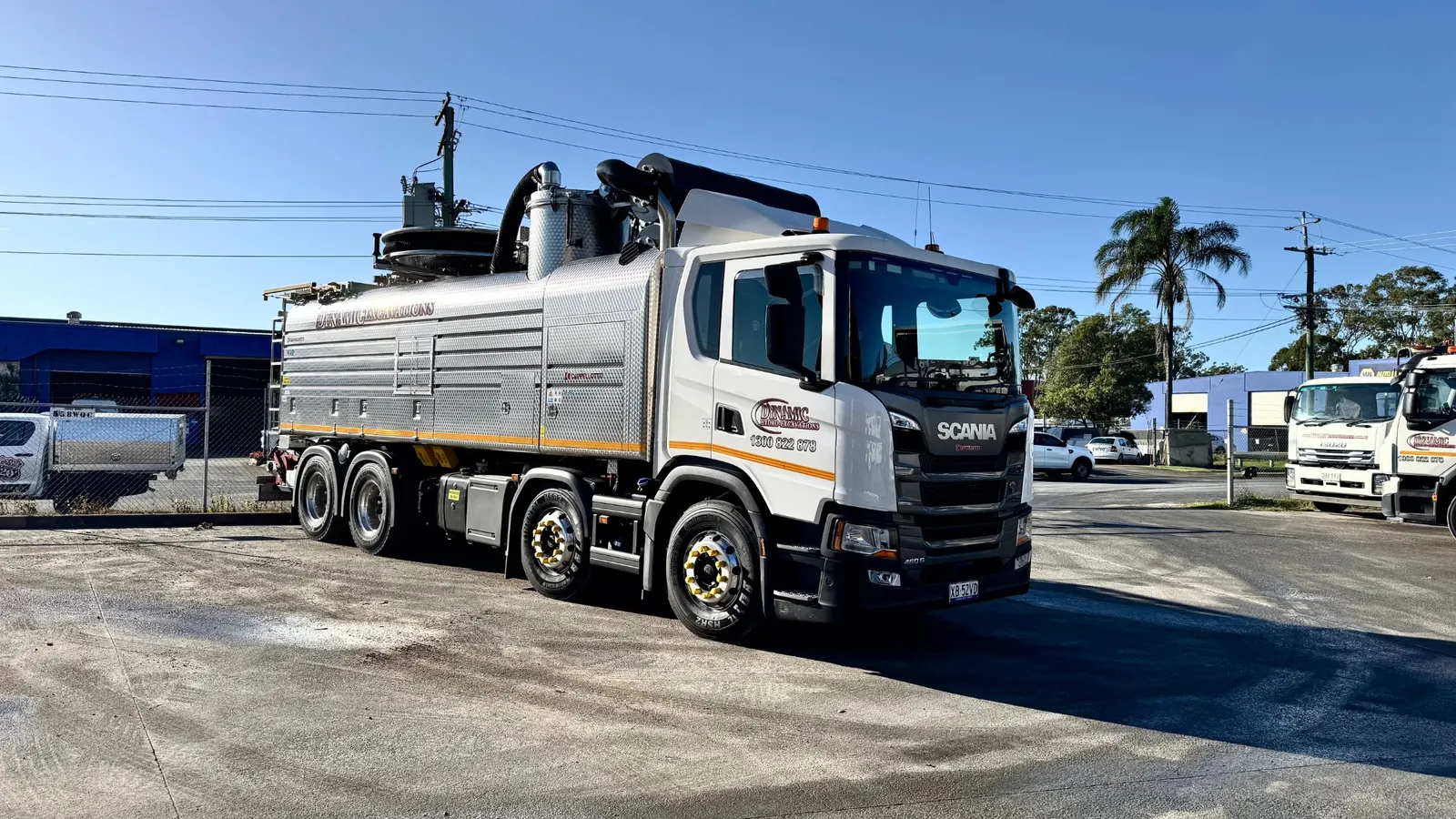
The first question on a border job is which jurisdiction and which asset owner apply. That decides the documentation, and sometimes the method or the reinstatement specification. Crews working between the Gold Coast and Tweed operations handle both sides regularly, so the right process is settled at scoping rather than discovered on site.
Saturated ground on the floodplain
Much of the Tweed and the Northern Rivers is low-lying floodplain with the water table close to the surface. Once an excavation reaches it, the hole starts filling and the sides lose strength. A bucket and a spoil heap struggle there, because the heap runs back in and the hole keeps closing.
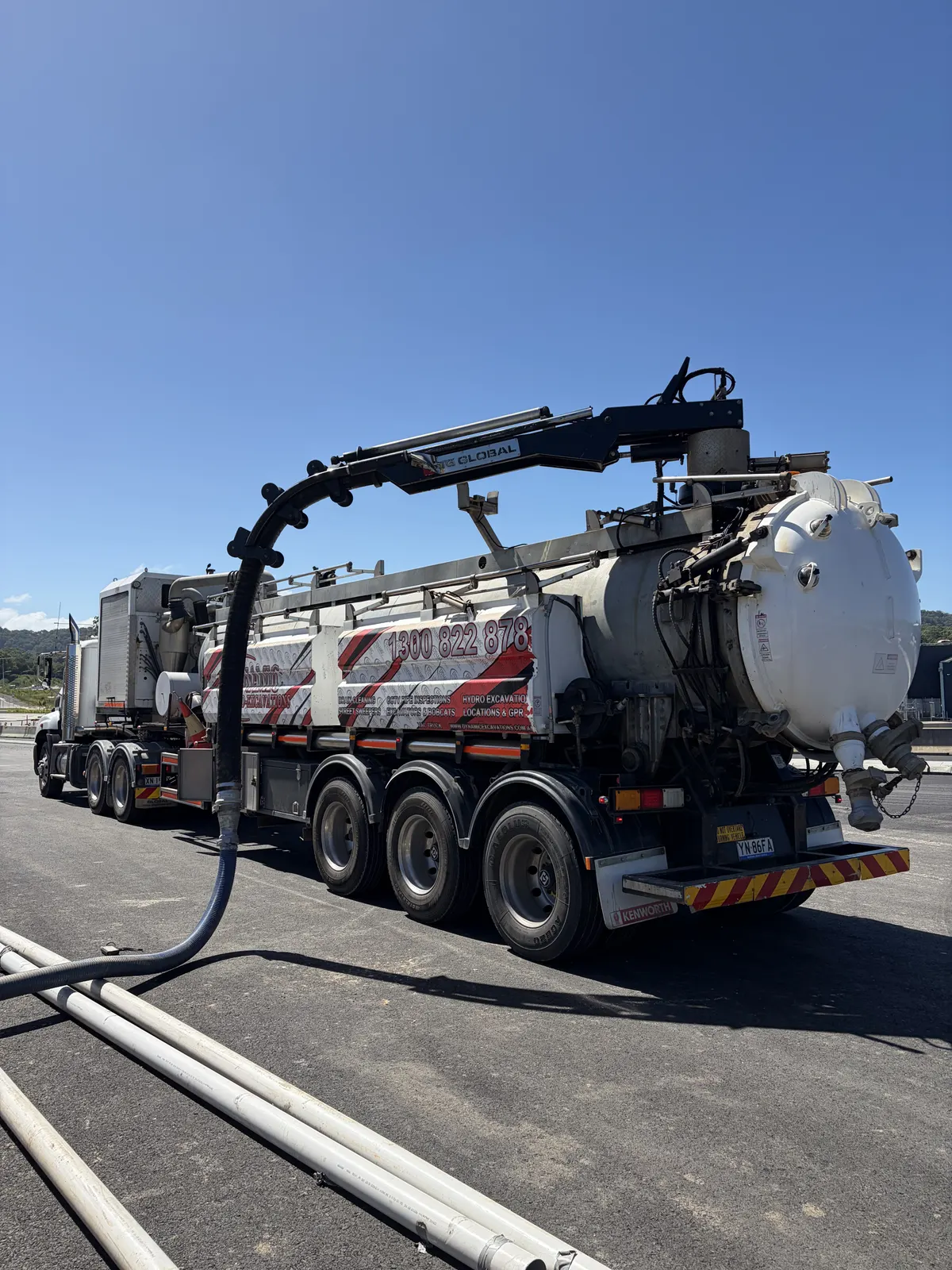
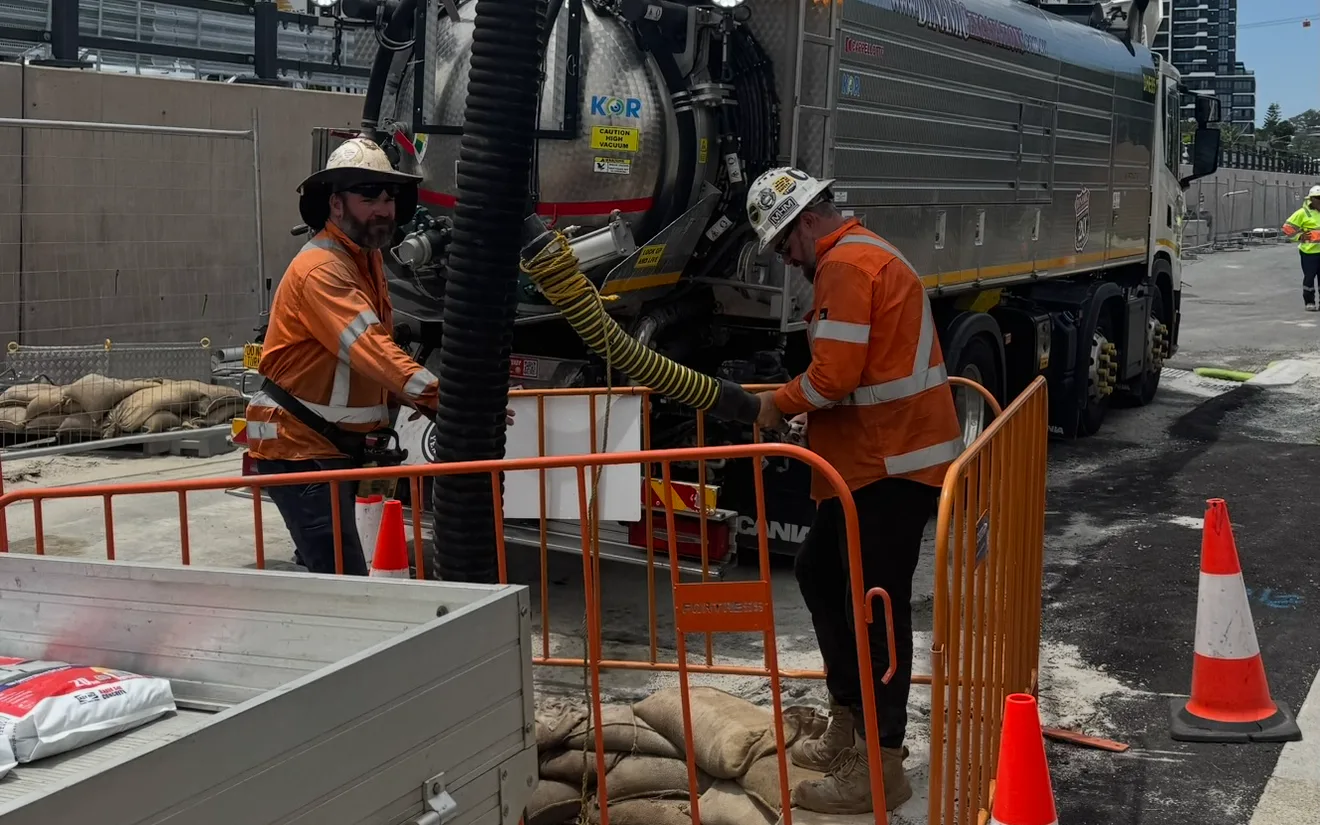
Vacuum recovery copes better. Water and soft ground go straight into the tank as they are cut, so the asset stays in view long enough to be measured. Keeping each excavation tight and finishing it in one go keeps the job moving. If the site is beside a canal, a drain or river flats, say so when you enquire, because it changes the unit and the plan for disposal.
Civil, utility and telecommunications work
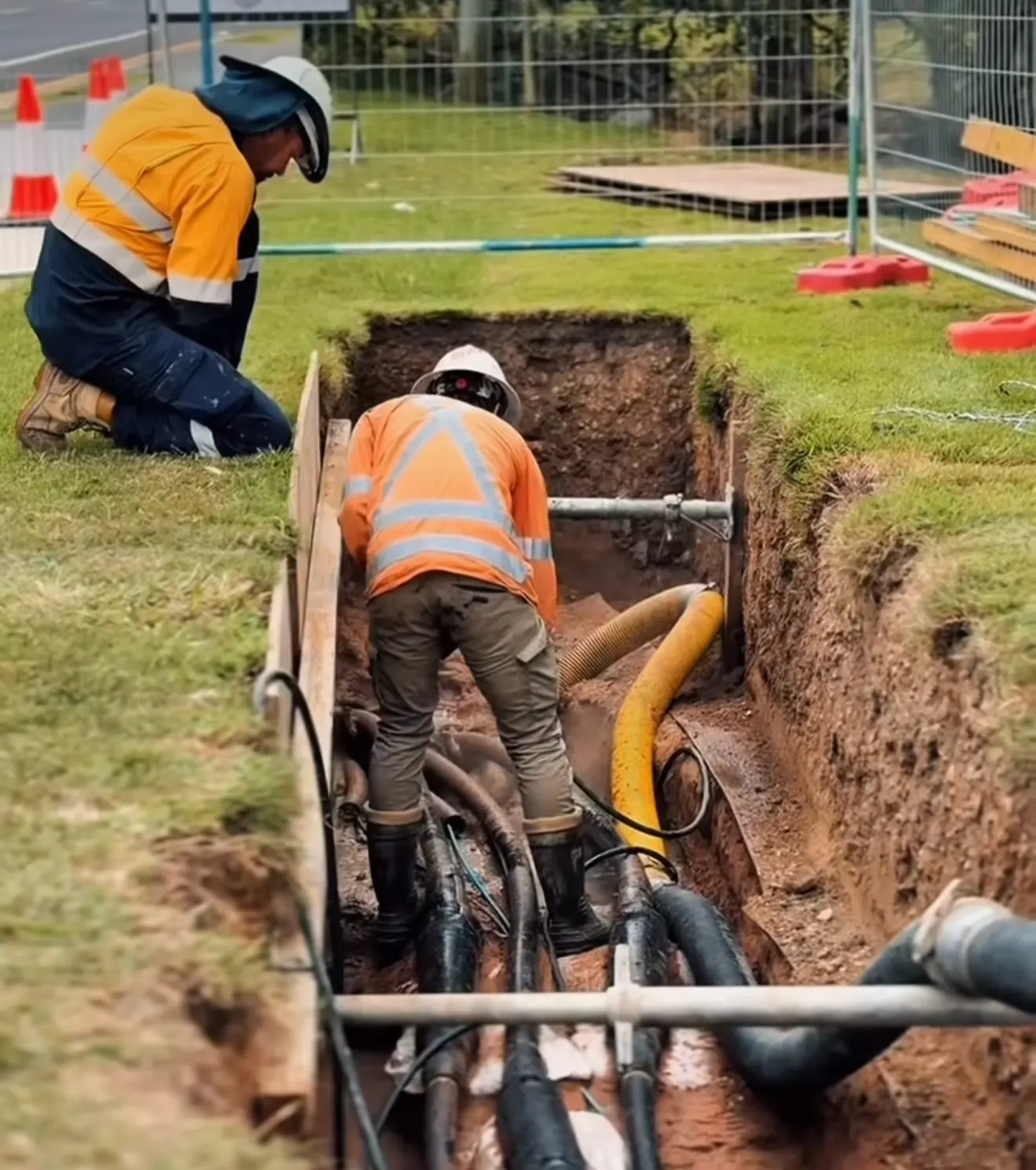
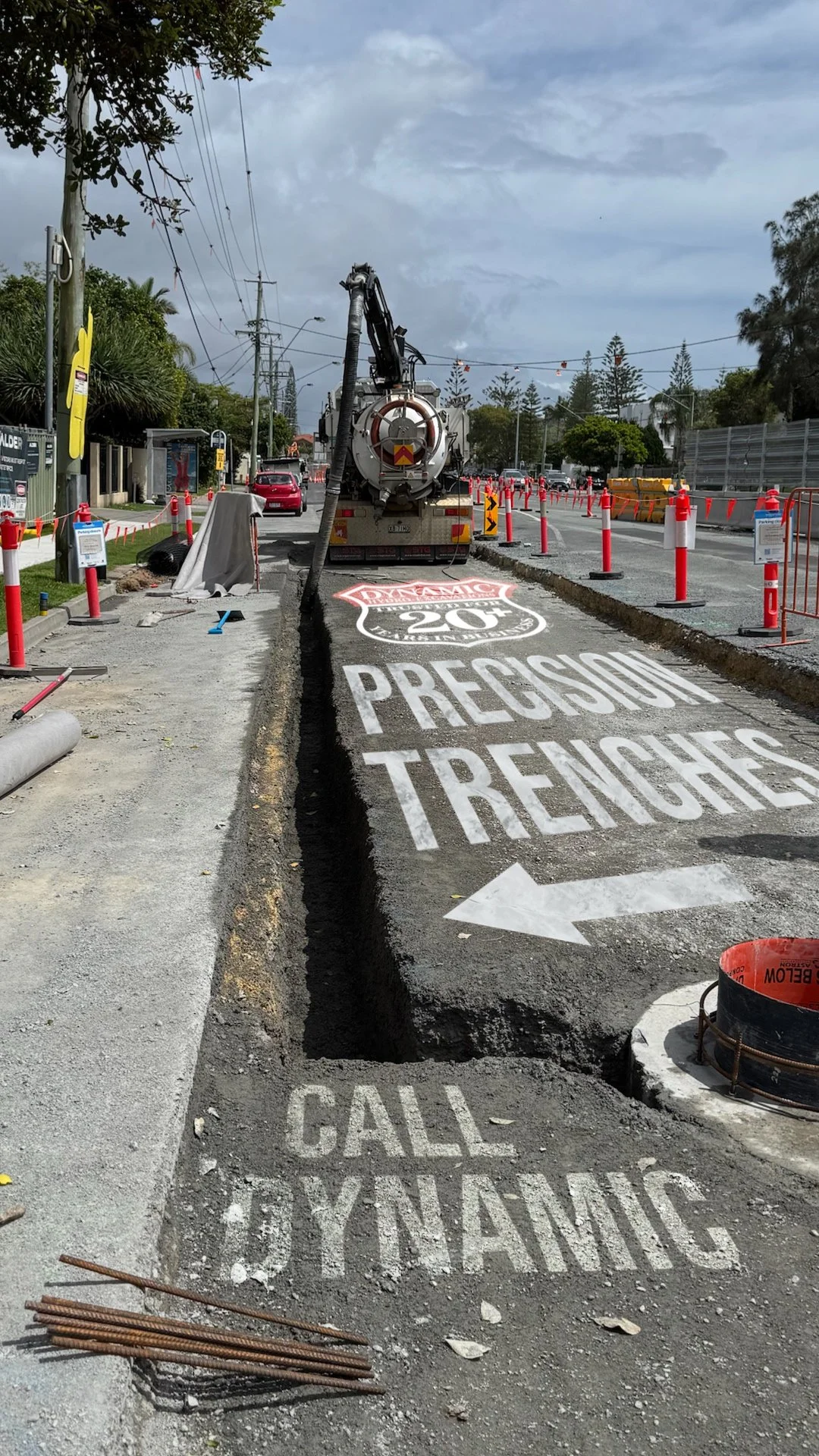
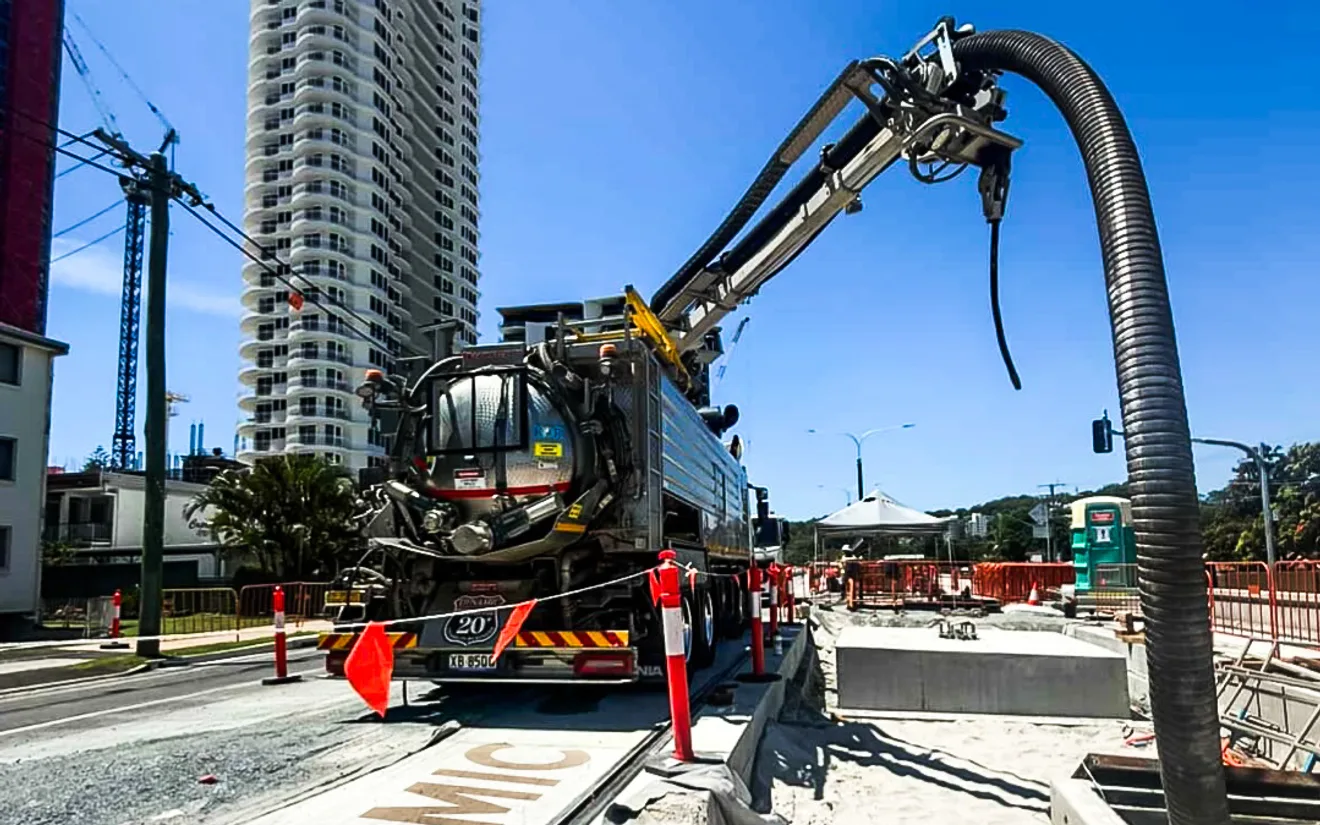
Across the Tweed, Byron and Ballina areas, most bookings are service proving ahead of something else: a road or drainage upgrade, a new connection, a subdivision or a council capital project. Potholing confirms type, depth and alignment so the design or excavation that follows is based on what is really in the ground.
Telecommunications is a steady part of that mix, with conduit and cable exposed so a connection can be made or before new network works cross an existing route. Utilities use the same approach to uncover their own water, sewer and electrical assets for maintenance, and commercial builders prove services before footings and piles go in.
Locate first, and keep the job with one supplier
Plans come through Before You Dig Australia and the site is located by LADS, a Dynamic Group company, before the ground is opened. Hydro excavation then gives control at the moment of contact with the asset. It lowers the risk of a strike but does not remove it.
If the exposure is the start of a bigger dig, the follow-on plant (an excavator, a bobcat, a tipper or a tanker, each with an operator) can come through the same booking. Border programmes that outgrow the Tweed operation draw on Gold Coast units.