Saturated ground and water in the hole
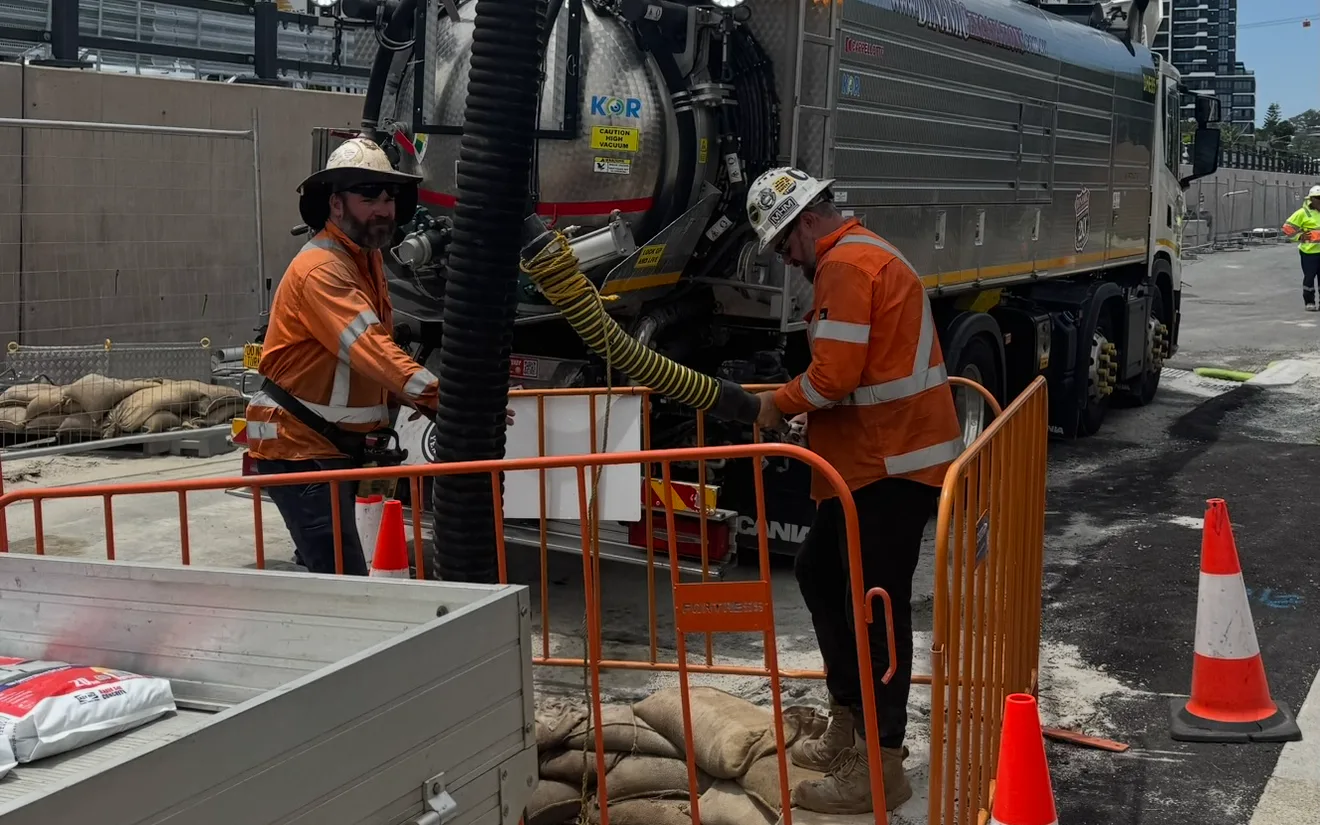
High rainfall shapes hydro excavation in the Far North as much as it shapes drainage. After heavy rain the ground is already carrying water before the lance adds any, and a pothole can take on seepage and run-off as it goes down. The vacuum lifts that water with the soil, so the tank fills faster than the size of the hole would suggest.
Crews plan for it by keeping excavations tight, managing water use in soft or saturated ground and allowing for more trips to disposal on wet days. If a site is low-lying or has recently flooded, say so at enquiry so the unit and the day’s programme are set with that in mind.
Roots, drainage and services in one corridor
Vegetation grows quickly in a wet tropical climate, and root intrusion is a persistent issue in Far North drainage rather than an occasional one. The same roots wrap around conduits and pipes in verges and footpaths, which is exactly where mechanical excavation tends to do its damage.
Hydro excavation lets an operator work through a root mass at controlled pressure and see the asset before reaching it. Where a tree or root zone has to be preserved, the approach to the excavation is agreed with the site, including any tree protection conditions, before work starts.
Commercial, tourism and civil construction
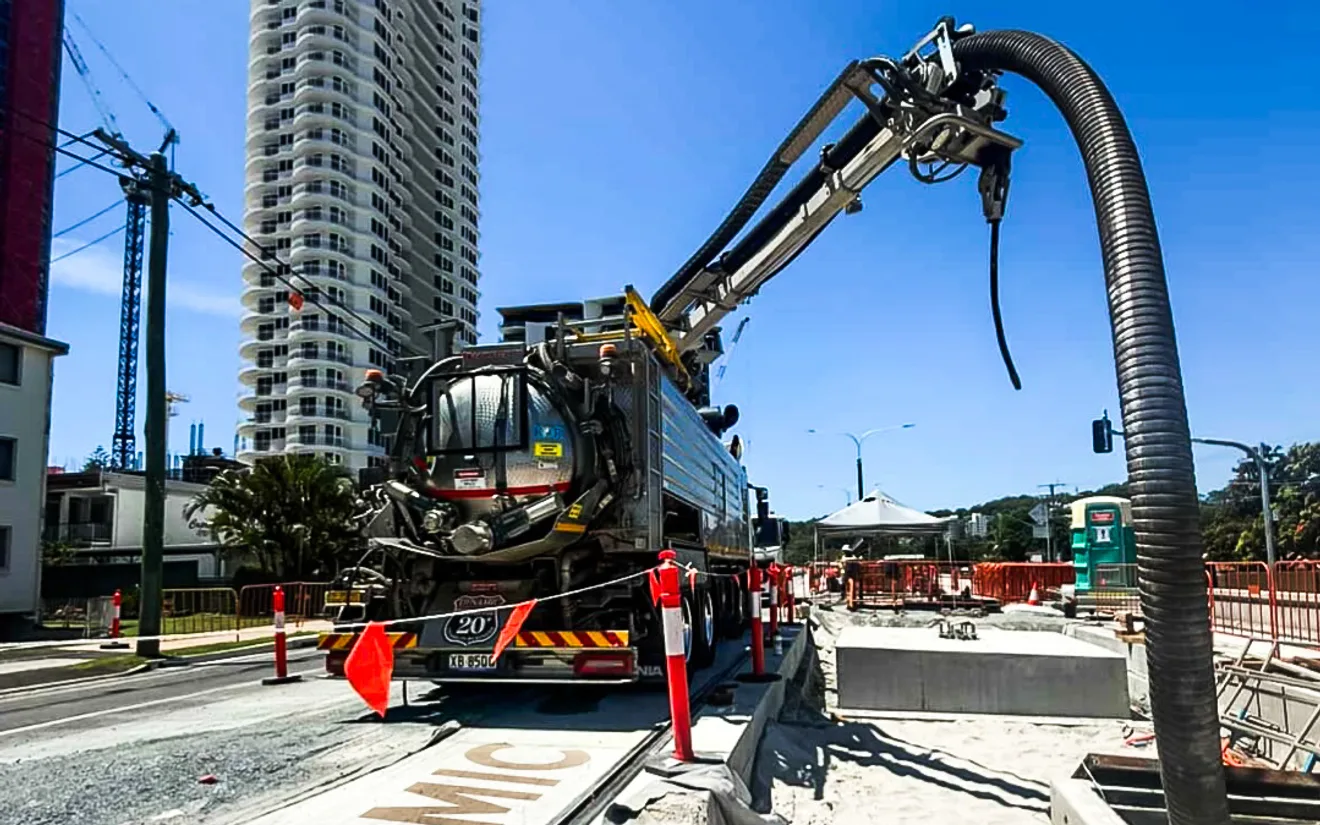
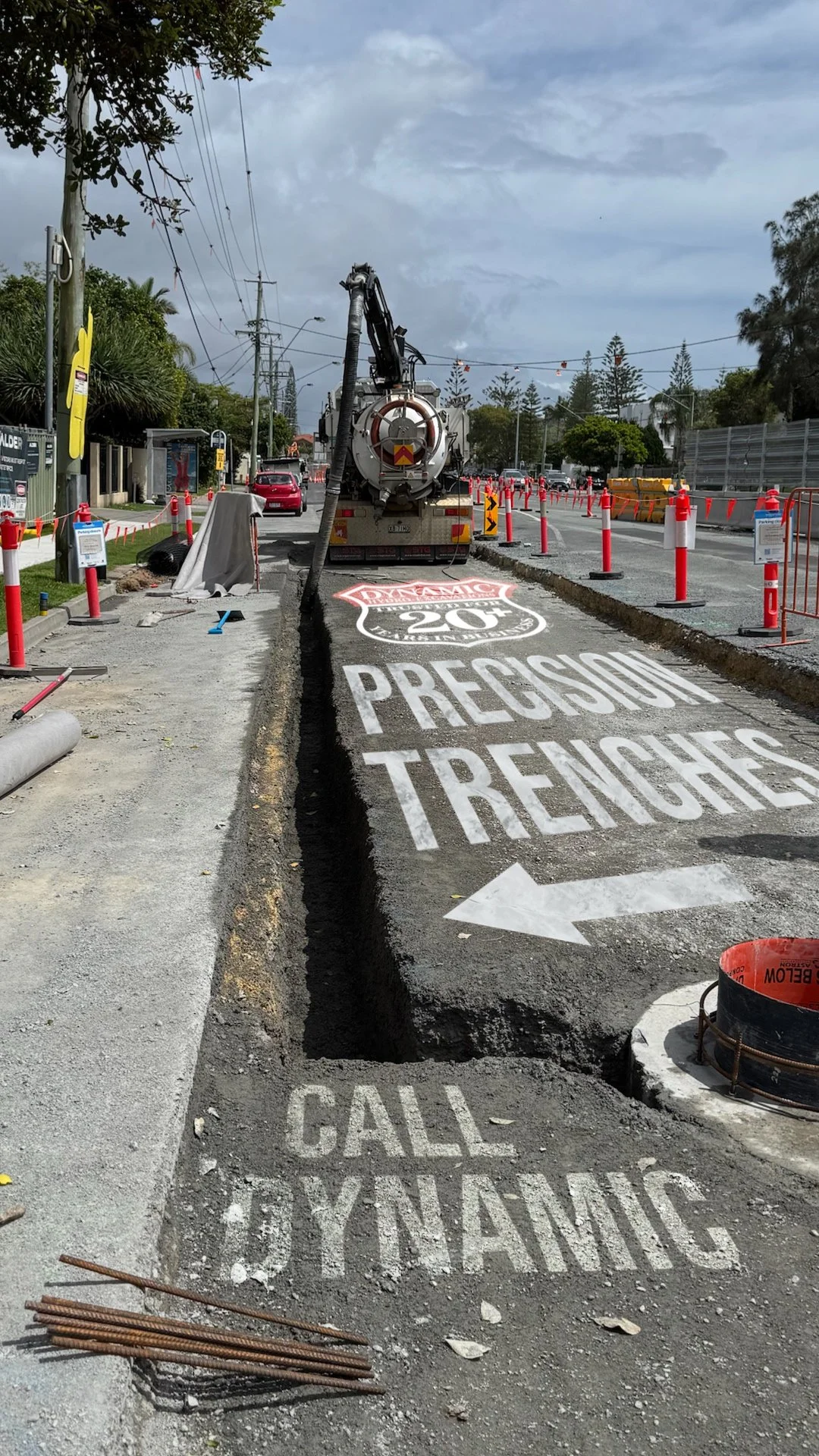
Construction across the city, Smithfield and Port Douglas often happens on established ground: a new commercial building beside existing pavement, works at hospitality and tourism sites that keep trading, or a road and streetscape upgrade in a working precinct. Services are proved before piling, footings and connections, often with the public only metres away.
That puts weight on a tidy setup. Spoil goes into the tank rather than onto the ground, pedestrian and traffic controls are arranged around the truck, and potholes can be reinstated or plated at the end of a shift so the site is left safe and presentable.
Finding the defect, then exposing it
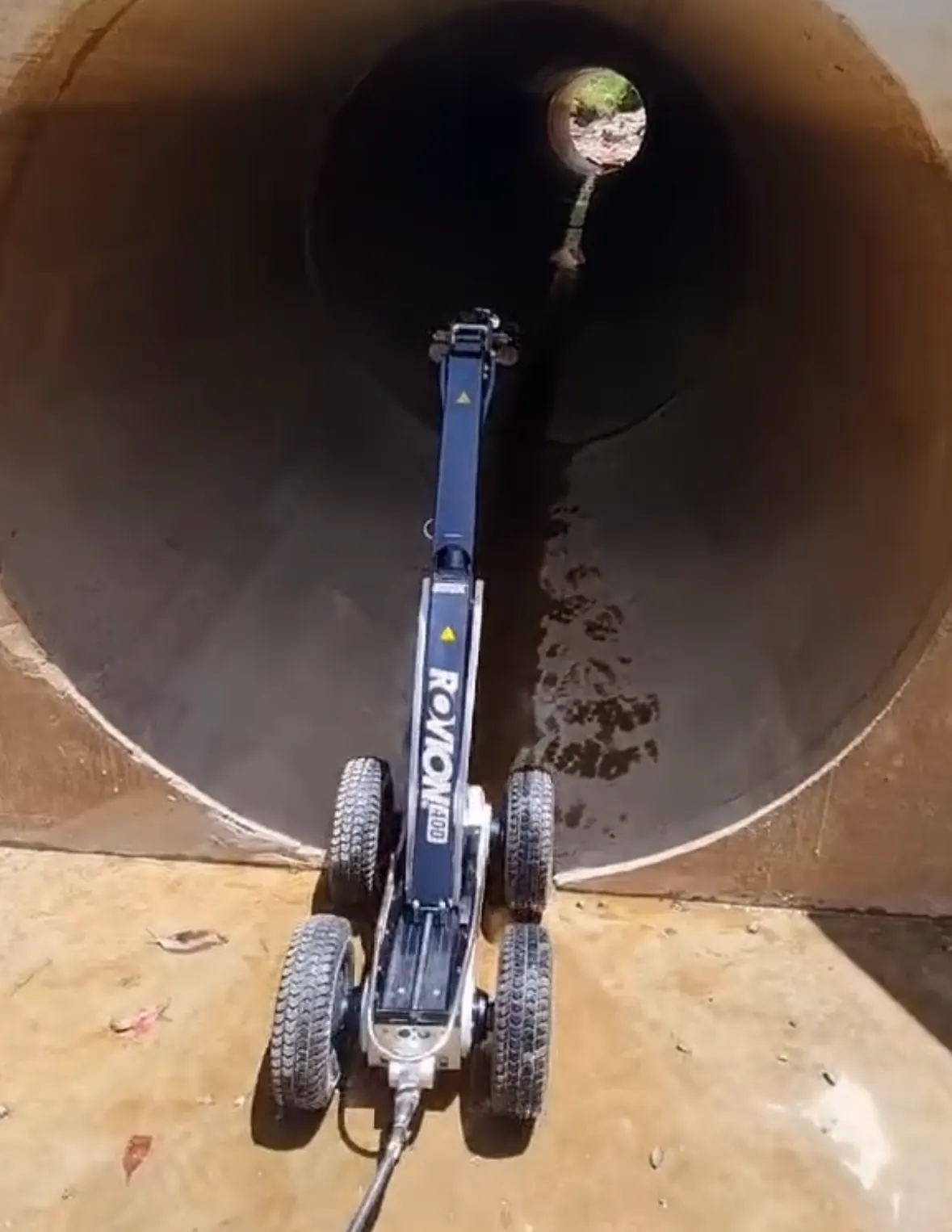
In the Far North, hydro excavation often follows a CCTV inspection. The camera shows where a stormwater or sewer line is cracked, displaced or root-bound, and hydro excavation then opens the ground at that point to expose the pipe without damaging it or the services crossing above it.
Underground service locating through LADS, part of the Dynamic Group, can set the site out first, and drain cleaning and CCTV crews work from the same region. One sequence can then cover locating, inspection and exposure instead of coordinating separate suppliers.