
What CCTV drain inspection tells you about an underground asset
3 min read
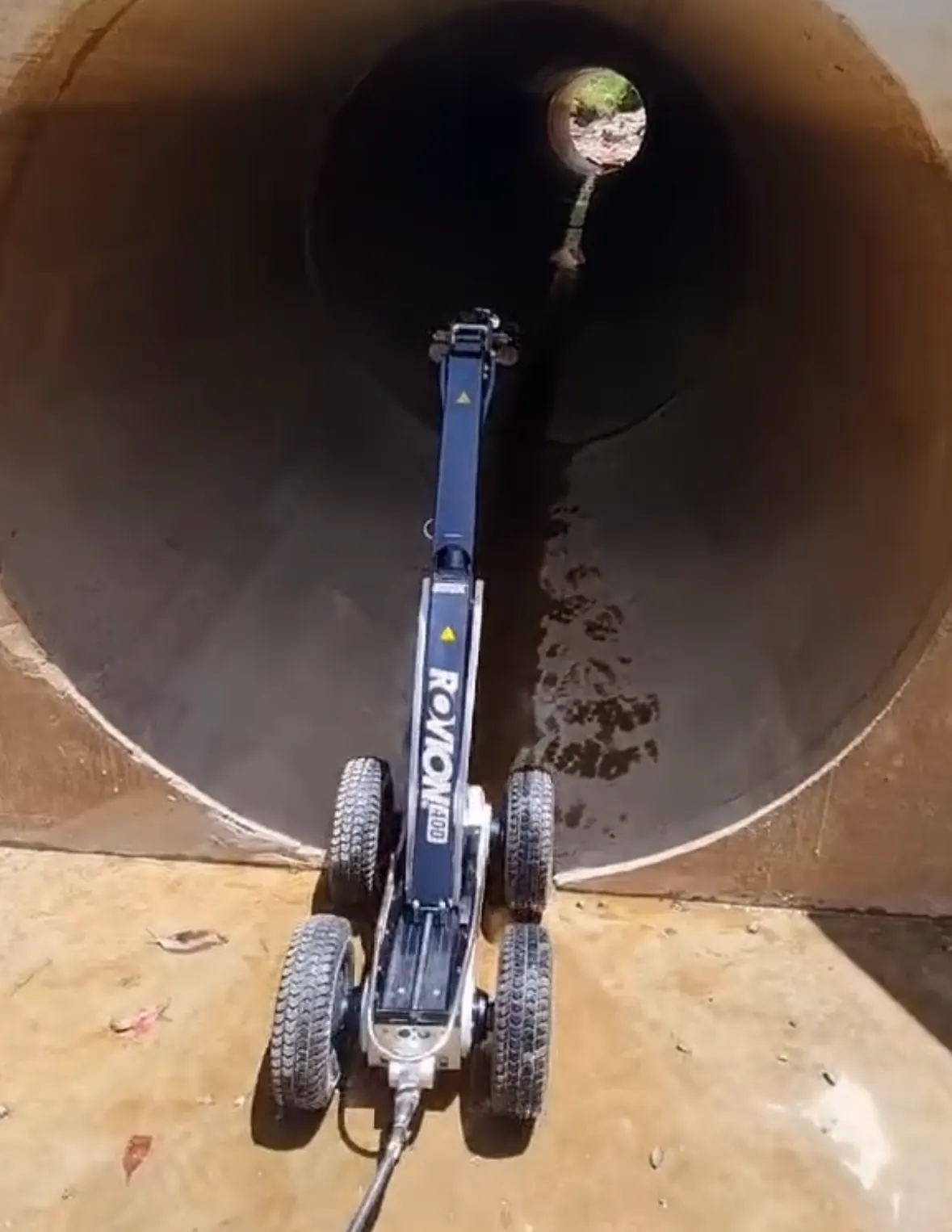
Dynamic Hydro Excavations image library
Underground drainage fails in ways that are invisible from the surface. A blockage that returns every few months, a section that surcharges in heavy rain, a slow leak undermining a pavement: the symptoms are visible, the cause usually is not.
CCTV inspection resolves that by putting a camera inside the asset and recording what is there.
What an inspection records
A CCTV inspection produces more than footage. The record covers:
- The location of the line and the position of features along it
- Depth of the asset
- Length of the run inspected
- Pipe type, diameter and material
- Condition, including cracking, displaced joints, root intrusion, deformation, scale, silt and debris
- Connections, junctions and unrecorded branches
That combination is what turns an inspection into a decision. Knowing a pipe is cracked matters less than knowing where the crack is, how deep the pipe sits, and what surface is above it.
Cleaning usually comes first
A camera cannot report on a wall it cannot see. Where a line carries silt, scale, grease or debris, drain cleaning is generally carried out first so the inspection assesses the pipe rather than the contents.
On many jobs the two are run together with a combination unit and a CCTV vehicle on the same visit: clean the line, inspect it, and report on the condition in one mobilisation rather than three.
Working with locating
Where the line itself is not accurately recorded, CCTV inspection and underground service locating complement each other. The camera confirms internal condition and alignment; locating equipment establishes the position and depth from the surface. Together they produce a record that can be marked up and worked to.
Common reasons for an inspection
- Investigating recurring blockages rather than repeatedly clearing them
- Proving the condition of an asset before accepting responsibility for it
- Pre-handover and defects liability inspections on new drainage
- Confirming the condition of existing drainage before construction above or beside it
- Locating an unrecorded connection or branch
- Establishing evidence for a repair, relining or replacement decision
- Post-repair verification that a rectification has actually worked
When the answer is excavation
Where an inspection identifies a fault that needs physical access, hydro excavation can expose the pipe at the identified position without damaging it or the services around it. Working from an accurate location and depth means a smaller excavation and less reinstatement.
This is the sequence Dynamic runs regularly: clean, inspect, locate, expose, repair, reinstate. Each step is informed by the one before it.
How the inspection is carried out
The method depends on the asset. A self-propelled crawler camera suits larger diameter drainage and sewer lines, where it can travel the length of a run and pan and tilt to look properly at a joint or a fault. A push rod camera suits smaller diameters and shorter runs, including property connections and stormwater outlets.
Access is normally through existing pits, manholes and inspection openings. Where no access point exists one has to be created, and that is where non-destructive excavation is used to reach the line without damaging it or anything around it.
What you receive afterwards
- Video footage of the inspected run
- A written report identifying faults and their position along the line
- Depth and alignment information for the asset
- Still images of significant defects
- Recommendations on cleaning, repair or further investigation where required
Reporting matters more than most clients expect. A report that positions a defect accurately along a run lets a repair be priced and excavated in one place. Footage with no positional reference usually leads to a second visit.
Inspection as a maintenance programme
Inspection is also used preventatively rather than only after a failure. On a network of any size, a rolling programme of cleaning and inspection spreads the cost, identifies deterioration before it becomes a collapse, and builds a condition record that can be used to prioritise renewal work.
For asset owners that record has value well beyond the individual repair. Knowing which sections of a network are sound and which are deteriorating is what turns maintenance from reactive spending into a programme that can be budgeted.
Where drainage runs under a road, a rail corridor or a building, the cost of a failure is set by what sits above the pipe rather than by the pipe itself. Those are usually the assets worth inspecting first.
Arranging an inspection
CCTV pipe inspections are available across the Queensland and New South Wales regions Dynamic services, with local detail for Brisbane, the Gold Coast, Sydney and the Sunshine Coast. Request a project quote or contact us with the asset details.
Services in this article
Related service regions
Related reading
More news & insights
Combination units and how drain cleaning actually works
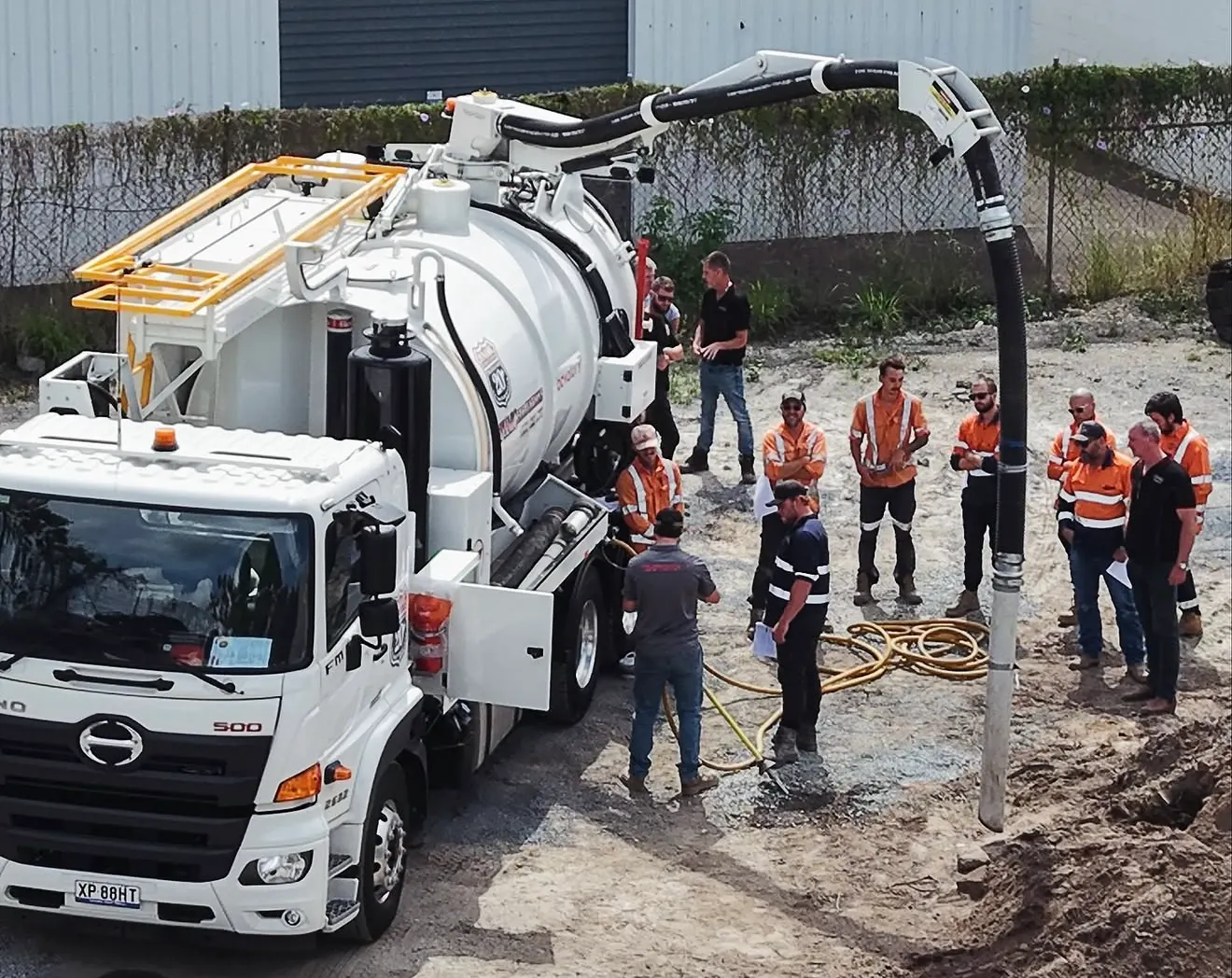
A combination unit carries jetting and vacuum capability on the same truck, so a drainage line can be cut clean and the material recovered in one operation. Water recycling extends how long a crew can work before refilling.
4 min read
Read Article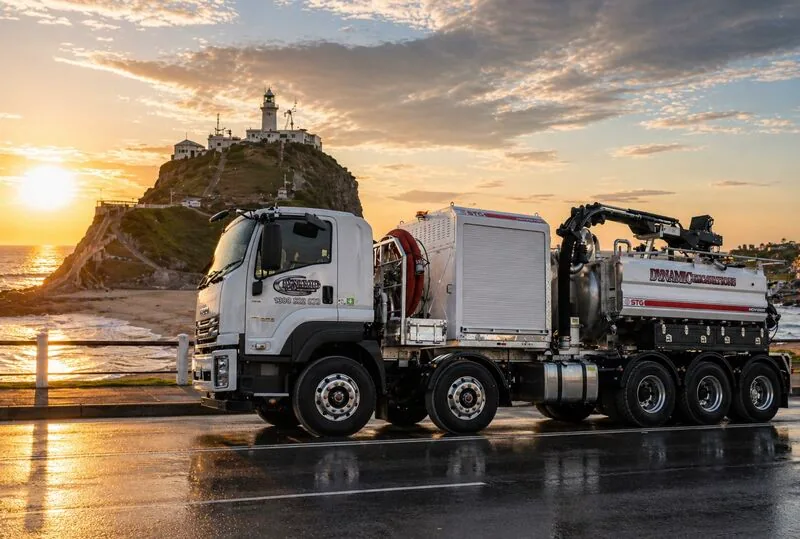
Dynamic expands into Newcastle and the Hunter region
A new depot in Newcastle brings non-destructive digging, underground service locating, CCTV inspection, drain cleaning and emergency response closer to projects across the Hunter region and regional New South Wales.
4 min read
Read Article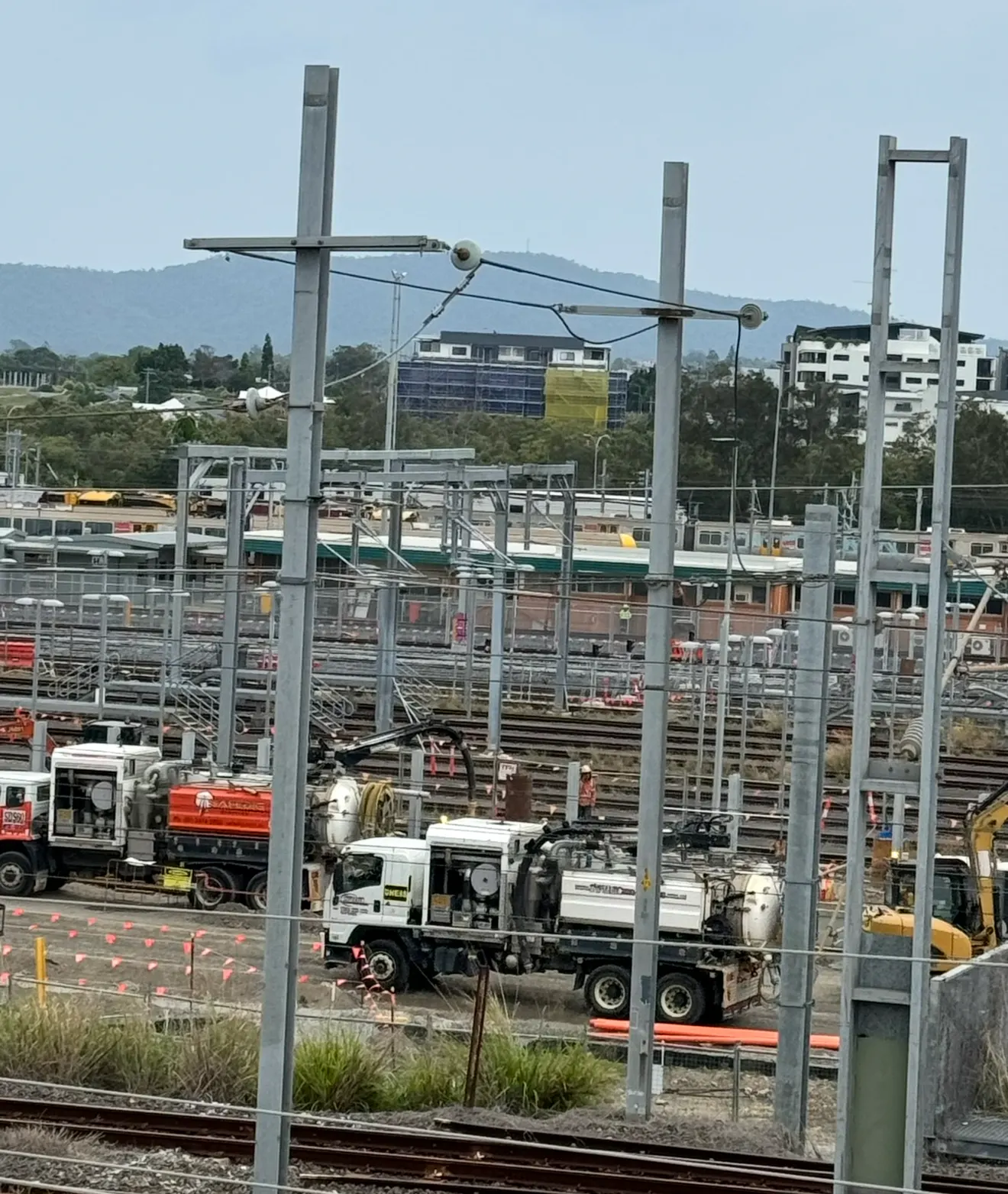
Hydro excavation as a risk control on civil construction sites
On a civil site the excavation method is a programme decision as much as a safety one. Hydro excavation is specified because it narrows the range of things that can go wrong at the point where a project is most exposed.
3 min read
Read ArticlePlanning works that need hydro or vacuum excavation?
Request a project quote or speak with the team about your site, access constraints and programme. We cover planned and urgent works across Queensland and New South Wales.