
Hydro Excavation & Non-Destructive Digging
Pressurised water and industrial vacuum to expose or remove soil around live services.
Hydro excavation uses pressurised water and high-capacity industrial vacuum equipment to break up and remove soil while exposing underground infrastructure. It is a controlled, non-destructive method of digging that reduces the risk of striking live services compared with mechanical excavation.
What is hydro excavation?
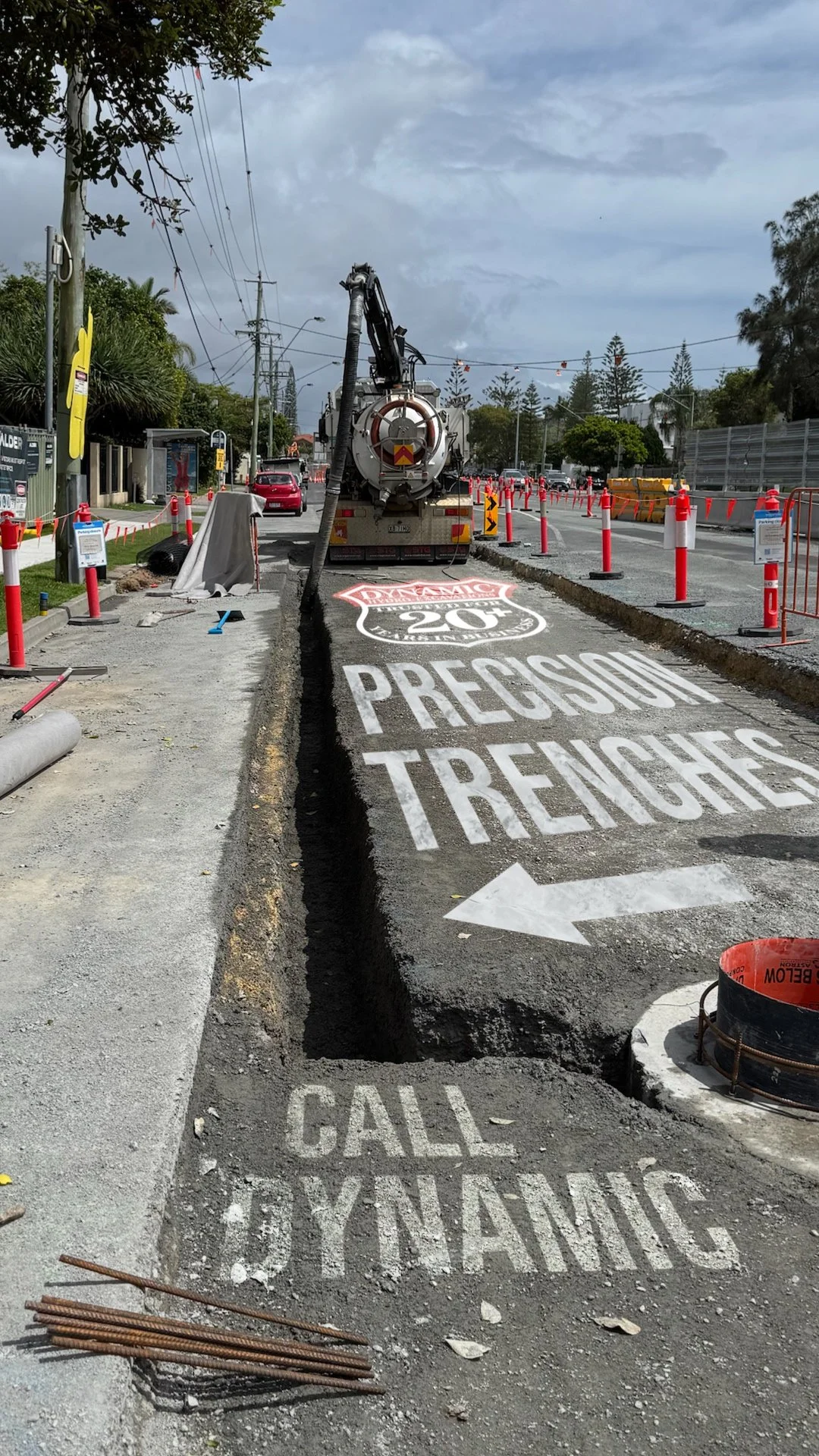
Hydro excavation is a non-mechanical digging method that uses pressurised water to break up soil and an industrial vacuum to lift the resulting slurry into a tank. Because nothing strikes the ground, it is used as a form of non-destructive digging (NDD) to expose and prove buried services.
Where this service is used
- Potholing and service proving
- Precision trenching
- Pole-hole and pit excavation
- Excavation around live services
- Sign and post installation
- Foundation and footing exposure
- Pit and chamber cleaning
- Restricted-access excavation
- Utility maintenance and repair support
- Emergency excavation
- Debris and slurry removal
What Dynamic brings
- Truck-mounted vacuum excavation units
- 10x4 high-capacity vacuum trucks for larger volumes
- Long hose runs for restricted or offset access
- Cold and hot water capability for a range of ground conditions
- Spoil containment and offsite disposal support
What changes the scope of a hydro excavation job
Two jobs that both read "potholing" on a purchase order can take very different shifts. These are the variables that decide the unit, the crew and the time on site.
Ground conditions
Sand, clay, fill and road base all cut differently. Units carry cold and hot water capability for harder ground, and the realistic rate of progress is set at scoping rather than promised in advance.
Depth and number of holes
A run of shallow potholes along a corridor is a different day from one deep pit. Approximate numbers and depths are enough to plan from.
What is live in the ground
Electrical, gas, water and communications assets each carry their own controls. Knowing what is expected, and who owns it, lets the crew plan the approach before they arrive.
Hose distance and access
Long hose runs let the truck stand on the street or hardstand and work in at a distance. Where the dig is out of reach altogether, a different unit is specified.
Permits, traffic and work windows
Road and rail corridors often mean approved traffic management and fixed hours. Night works are staged so each excavation is completed and made safe inside the window.
Spoil and reinstatement
Wet spoil is collected in the truck. Whether it can be reused on site or has to go for disposal, and what reinstatement is expected, both affect the programme.
Benefits of using Dynamic
Protects buried assets
Water and vacuum expose services without the blunt force of a bucket, lowering the chance of a strike.
Access where machines cannot reach
Long vacuum hoses let crews work in tight, offset or restricted locations that block conventional plant.
Clean, precise excavations
Neat verticals and controlled spoil removal suit potholing, service proving and works around existing infrastructure.
Backed by a large fleet
Multiple units across QLD and NSW support both single potholes and sustained programmes of work.
From plans to an open, proven excavation
Utility work goes wrong when the plans are treated as the answer. This is the sequence Dynamic and LADS follow so that each step checks the one before it.
Before You Dig plans
Asset-owner plans show where services are recorded. They are the starting point for planning, not a position on the ground, and private services are often not on them.
Underground locating
LADS locates buried services on site with electromagnetic equipment and ground-penetrating radar, and marks out what is found.
Underground Locating (LADS)Service proving
Potholing with hydro excavation exposes each marked service so its position and depth are confirmed by sight rather than inferred.
This service
Excavation around proven services
Trenching, pits and footings are dug by vacuum excavation where services are close, with spoil and slurry recovered into the truck.
Vacuum ExcavationCivil works and spoil cartage
Operated excavators take over bulk work once the services are known, and tip trucks cart spoil as part of the same programme.
Excavator Hire
Relevant equipment
Industries served
Safety considerations
- Digging method that reduces the risk of damaging buried assets compared with mechanical excavation
- Operators experienced in working near live electrical, gas, water and communications services
- Works integrate with Before You Dig Australia plans and site utility information
- Spoil handling and site reinstatement managed to site requirements
Where we deliver hydro excavation
Hydro Excavation is delivered by our regional teams along the Queensland and New South Wales coast. Choose a region for its serviced areas, local coverage notes and the way work is scheduled there.
Hydro Excavation by city
What to send us for an accurate quote
Each of these has a field in the quote form, and site plans, drawings, photos and tender documents can be attached. The more of it we have, the fewer assumptions sit in the price.
- Site address and work areaThe street address and where on the site the excavation is. It decides which regional crew attends.
- What has to be exposed, and whyProving a crossing, a trench alignment, a pit or a footing. The purpose sets the method and the size of each excavation.
- Number of locations and expected depthApproximate figures are fine. They set how long the unit is on site.
- Before You Dig plans and known servicesAttach the plans and list anything known or suspected, including private services the plans will not show.
- Truck standing position and accessWhere the truck can park and roughly how far that is from the dig. Site photos answer most access questions.
- Traffic control, permits and inductionsWho holds the permit, whether traffic management is needed and what inductions the crew needs before starting.
- Day or night works and preferred datesWork windows, shift length and the date you need the crew.
- Spoil handlingWhether spoil can stay on site or has to be taken away, and anything known about the ground.
Frequently asked questions
What is hydro excavation?+
Hydro excavation is a digging method that uses pressurised water to loosen soil and an industrial vacuum to remove it, exposing or excavating around underground services with a lower risk of damage than mechanical digging.
Is hydro excavation the same as non-destructive digging?+
Hydro excavation is one of the most common forms of non-destructive digging (NDD). The terms are often used together because both describe methods that expose services without direct mechanical contact. You may also hear it called hydrovac, short for hydro vacuum excavation.
How is hydro excavation different from mechanical excavation?+
An excavator bucket or hand tools break the ground by force, so a buried cable or pipe can be struck before anyone sees it. Hydro excavation cuts the soil with water and lifts it out by vacuum, so services are exposed without direct contact. Mechanical excavation is still the faster tool for bulk earthworks once services are known, which is why the two are often used on the same job: services are located and proved first, then excavators take over.
When should hydro excavation be used?+
Wherever buried services are known or suspected close to the work. Typical uses are potholing to prove a service before boring or trenching, digging pits, footings and pole holes beside live assets, and excavating in footpaths, road corridors and congested service areas where a bucket would be a risk. Many asset owners and principal contractors require non-destructive digging within a set distance of their assets, so their requirements are worth checking when the work is planned.
Can you work close to live services?+
Yes. Hydro excavation is regularly used to expose and prove services near live electrical, gas, water and communications assets. Works are planned using available utility plans and site information.
What happens to the spoil?+
Wet spoil is collected in the vacuum unit and can be transported for offsite disposal. Disposal arrangements are confirmed as part of your quote.
What information do you need to quote hydro excavation?+
The site address, what has to be exposed or excavated, how many locations, the expected depth, which services are known or suspected to be present, and the access available for a truck and hose. Traffic management, permit and after-hours requirements are worth raising early, because they change how the work is scoped.
Can Dynamic mobilise across Queensland and New South Wales?+
Yes. Units and crews are based in regions along the Queensland and New South Wales coast rather than run out of a single depot, which is what makes travel time and short-notice attendance workable outside the capital cities. Availability in a given region is confirmed when you enquire.
Can you work at night or inside a short work window?+
Yes. Night works are common on road corridors, and they are staged so each excavation is completed and made safe inside the approved window. Mention the hours and any traffic management at enquiry, because they shape how the crew and unit are planned.
Explore related services
Vacuum Excavation
Industrial vacuum excavation for safe, efficient exposure and removal of material.
Underground Locating (LADS)
Underground utility locating delivered by LADS, part of the Dynamic Group.
Hydro Tankers
High-capacity hydro tankers for large-volume material recovery on major projects.
Emergency Response
Rapid mobilisation of crews and equipment for urgent and disaster-recovery works.
Related insights
Further reading on hydro excavation
Written by the people who run this work, on how jobs are planned, what changes on site and what we have learnt doing it.
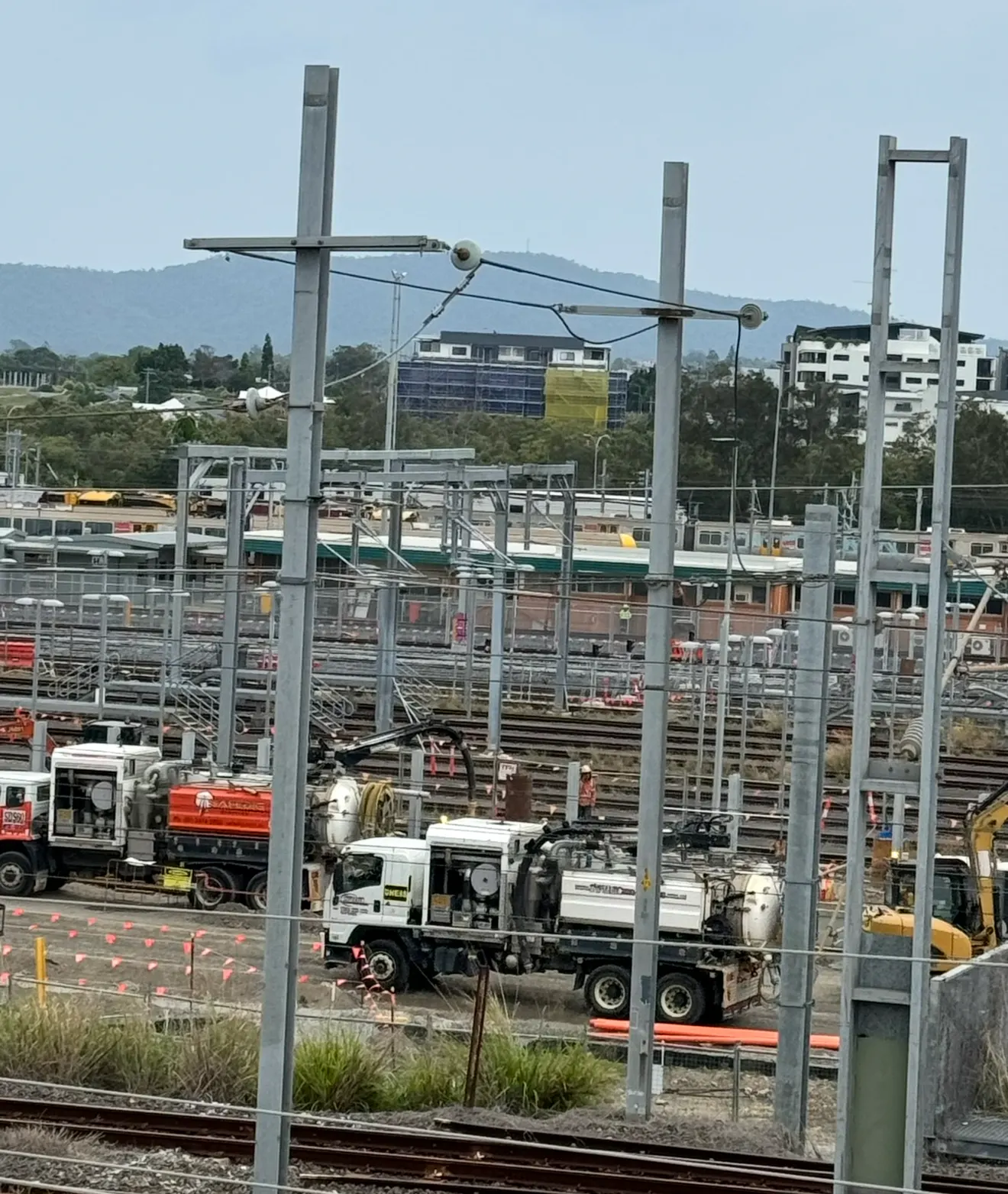
Hydro excavation as a risk control on civil construction sites
On a civil site the excavation method is a programme decision as much as a safety one. Hydro excavation is specified because it narrows the range of things that can go wrong at the point where a project is most exposed.
3 min read
Read ArticleExposing NBN and telecommunications services on the Fraser Coast
Telecommunications conduit is shallow, congested and easy to damage. This is how non-destructive digging is used to expose NBN and telecommunications assets on the Fraser Coast, and what makes the work different from general excavation.
3 min read
Read Article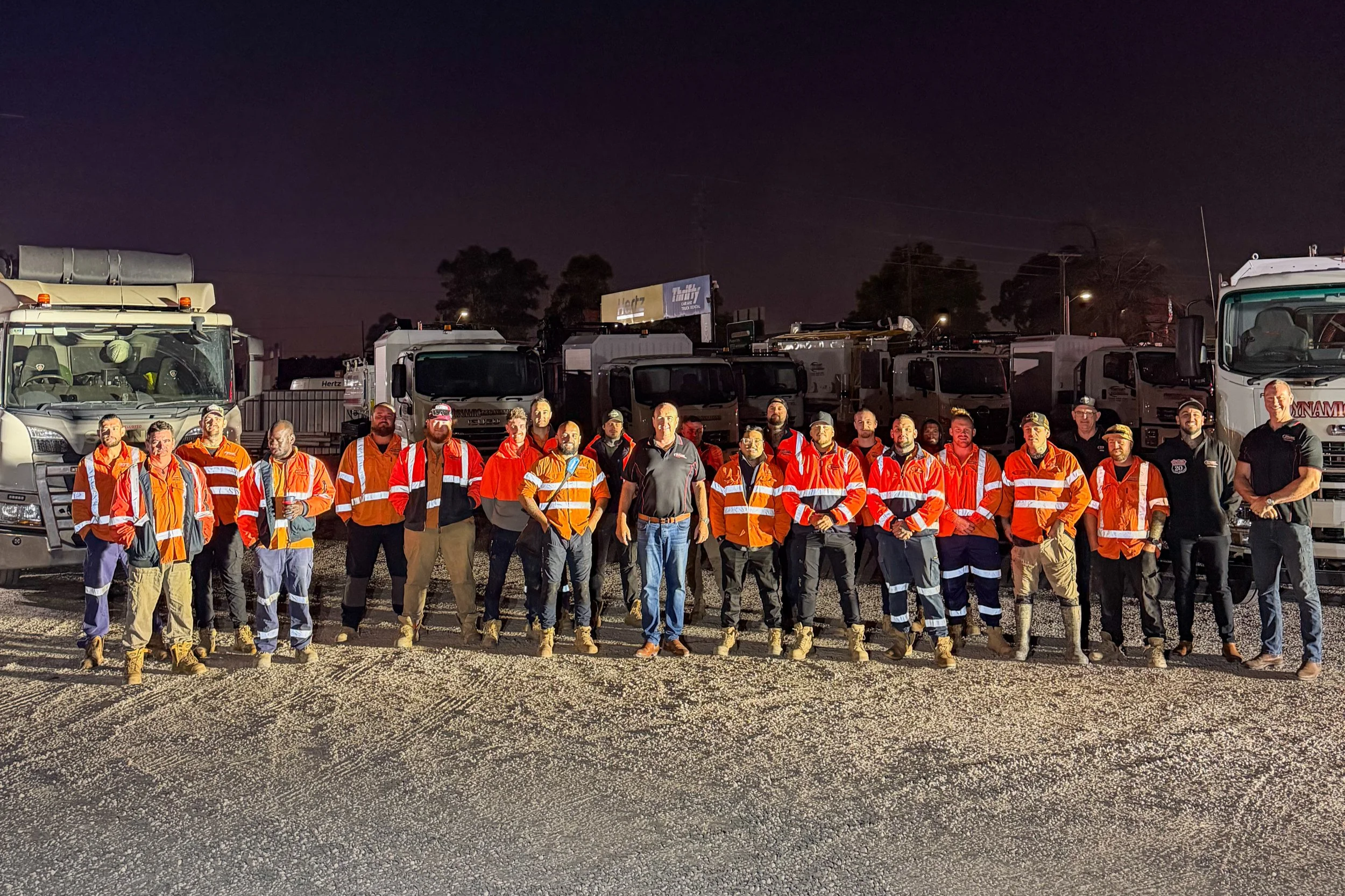
How Dynamic manages safety and quality on site
Excavation around live services is a controlled activity, not a careful one. This is how safety and quality are managed across the Dynamic fleet, from operator training and risk assessments through to plant maintenance and client-specific site compliance.
3 min read
Read ArticleProject evidence
Hydro Excavation on live projects
Case studies where hydro excavation formed part of the scope, including the site constraints and how the work was sequenced.
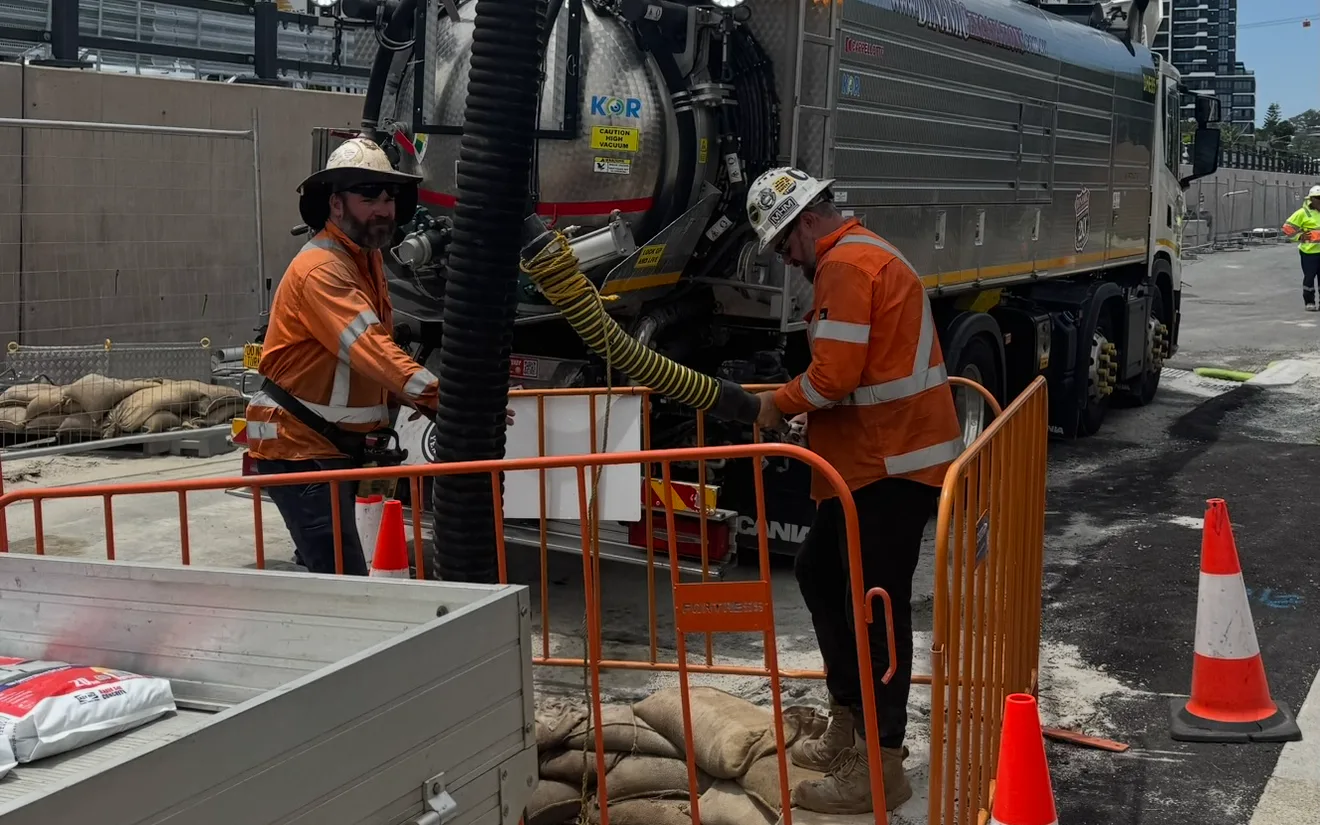
Request a Hydro Excavation quote
Tell us about your project and our team will respond. For urgent works, call 1300 822 878.
Step 1 of 6: Service
- 1Service
- 2Location
- 3Project
- 4Contact
- 5Files
- 6Review