A narrow strip with a lot underneath it
Much of the Illawarra is built on a narrow coastal strip between the escarpment and the sea. Roads, rail, water, sewer, power and telecommunications all have to fit into that same band, so many corridors carry several networks side by side and new work almost always crosses an existing one.
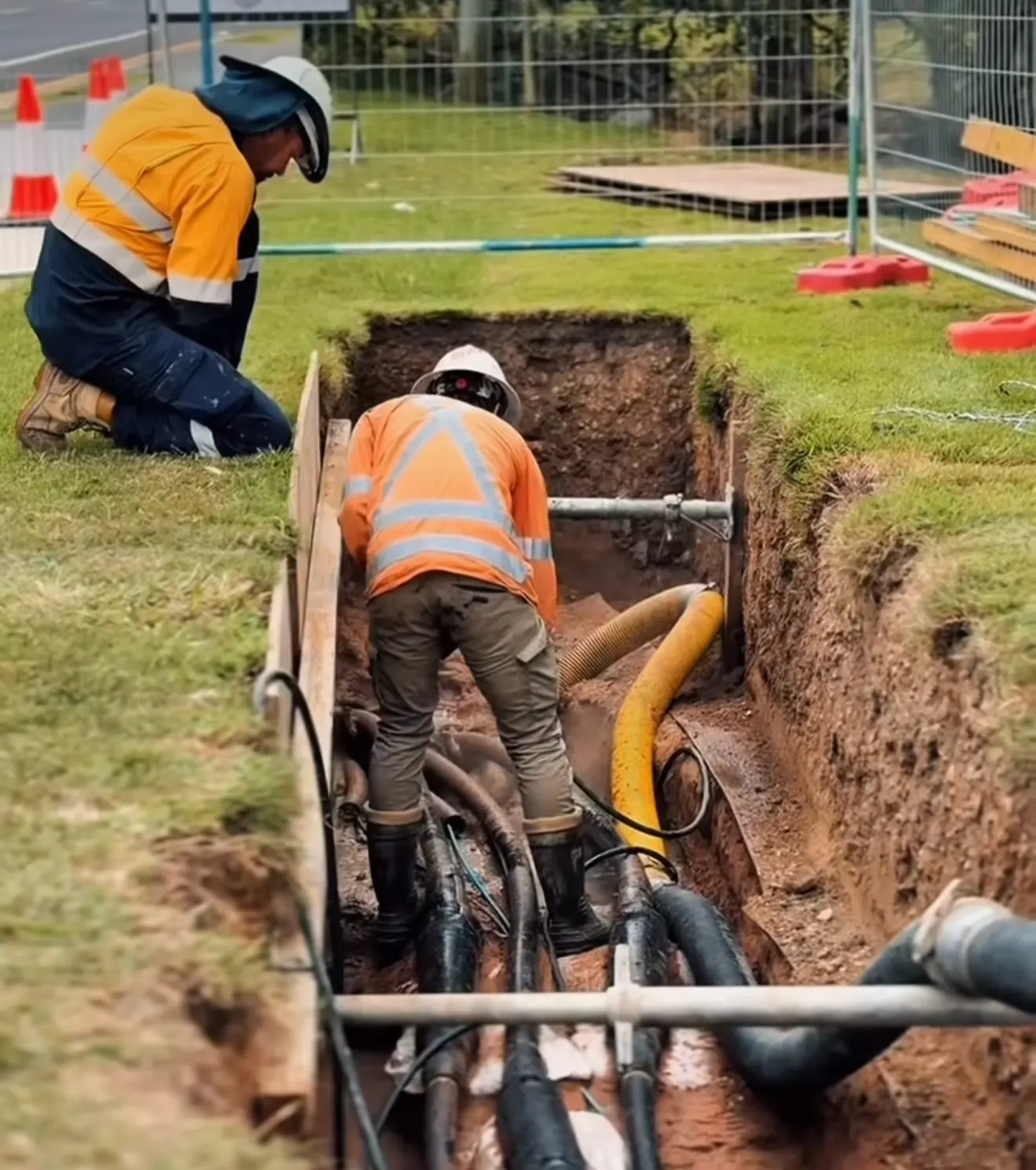
In that setting the risk is less about finding one service than about separating several close together. Hydro excavation lets the operator open the ground between assets, confirm which is which, and leave the neighbouring services untouched while the target is exposed.
Port Kembla and industrial sites
Port Kembla is an industrial and port precinct, and work on that kind of land is typically governed by the site operator: inductions, permits to dig, isolations and set work areas come before any excavation. The crew works to those controls, and the paperwork is sorted out during scoping rather than at the gate.
Industrial ground can also hold services the drawings do not show. Taking the excavation down with water and vacuum means an unexpected cable or pipe is uncovered, not cut, and the site can confirm what it is before the work continues.
Proving services for the designer
Before You Dig Australia plans and locating results give an approximate position. For a design that has to thread a new main, conduit or footing past existing assets, that is not enough. Potholing at each crossing point exposes the service so its depth and alignment can be surveyed and designed around.
Locating is available through LADS, part of the Dynamic Group, so a potholing programme can start with the locate and finish with proven positions through a single contact. Scope, number of holes and survey arrangements are agreed when the job is quoted.
Trafficked roads and tight sites
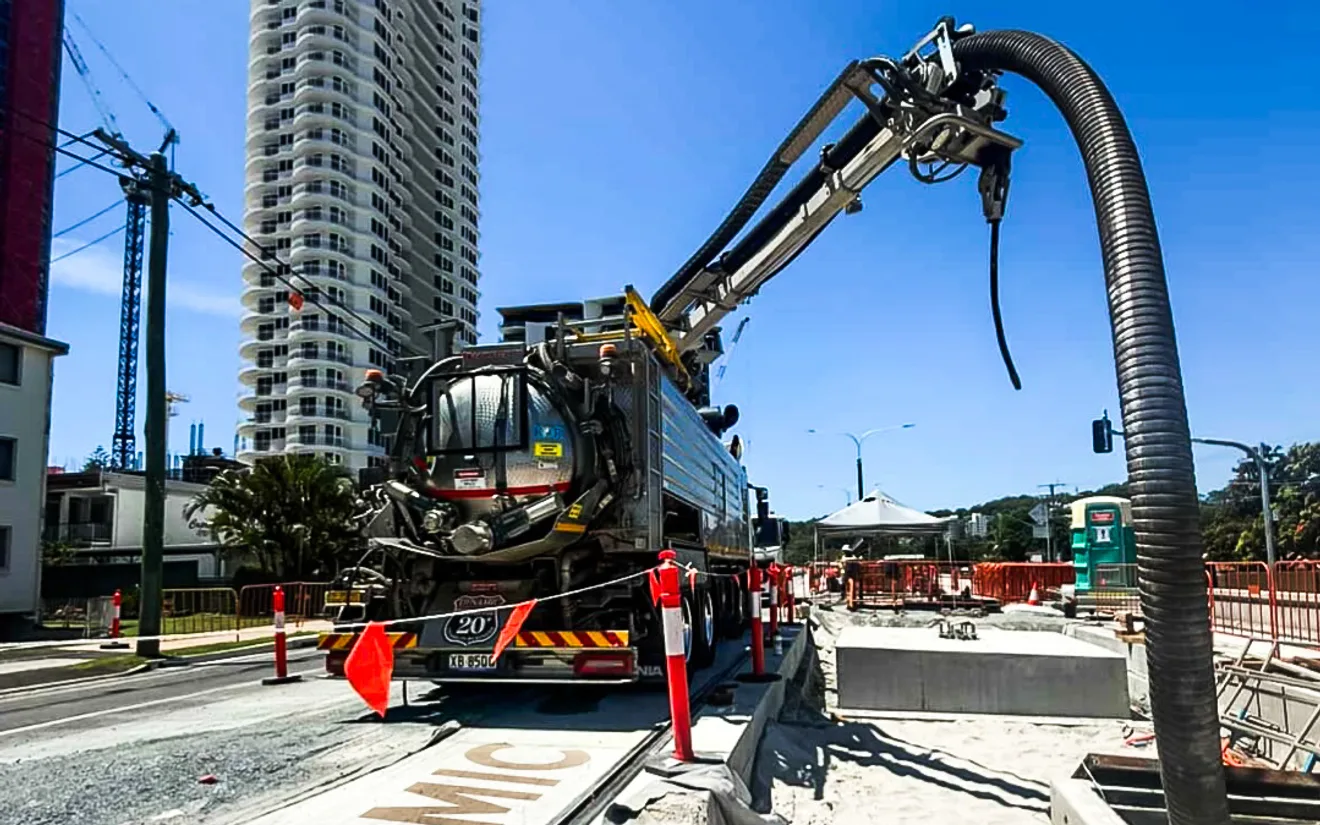
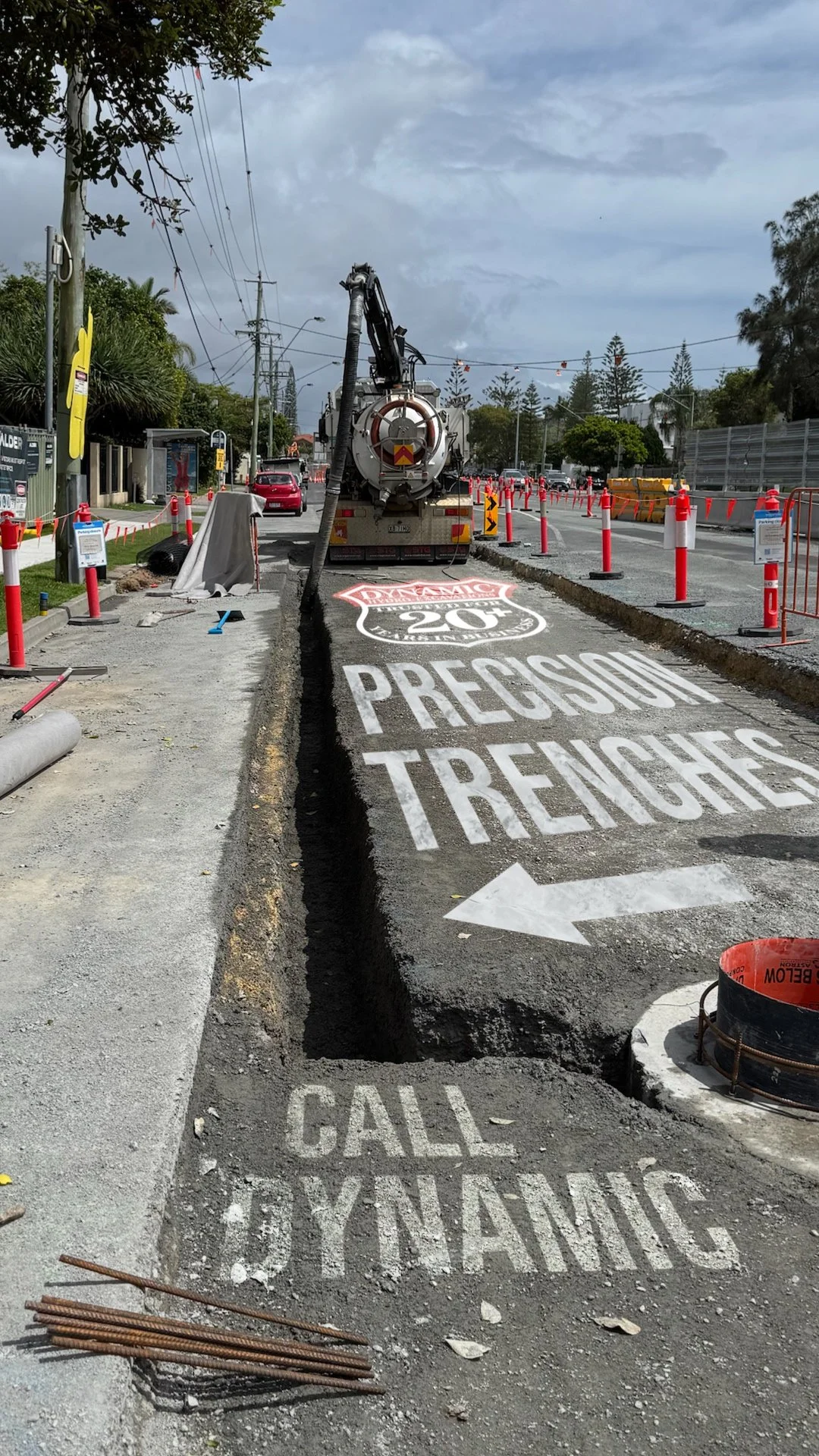
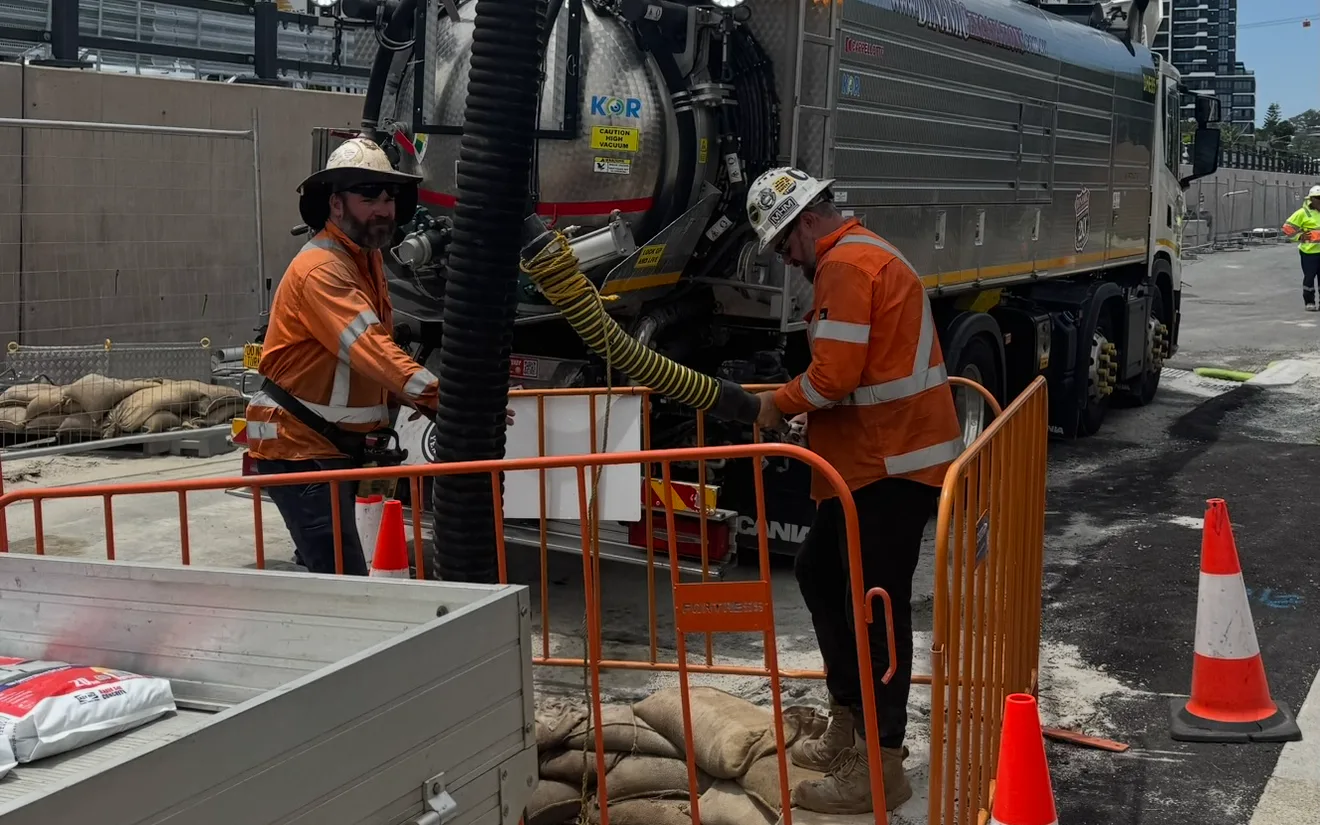
A lot of Illawarra hydro excavation happens beside moving traffic or on sites with little room to spare. The truck stands where the traffic plan allows and the operator works in by hose, so the footprint at the excavation stays small and spoil never sits on the road.
Each pothole can be backfilled and made safe at the end of the shift. Traffic control, permits and approved hours are worked through before the crew mobilises.