LADS joins the group: underground locating and detection
3 min read
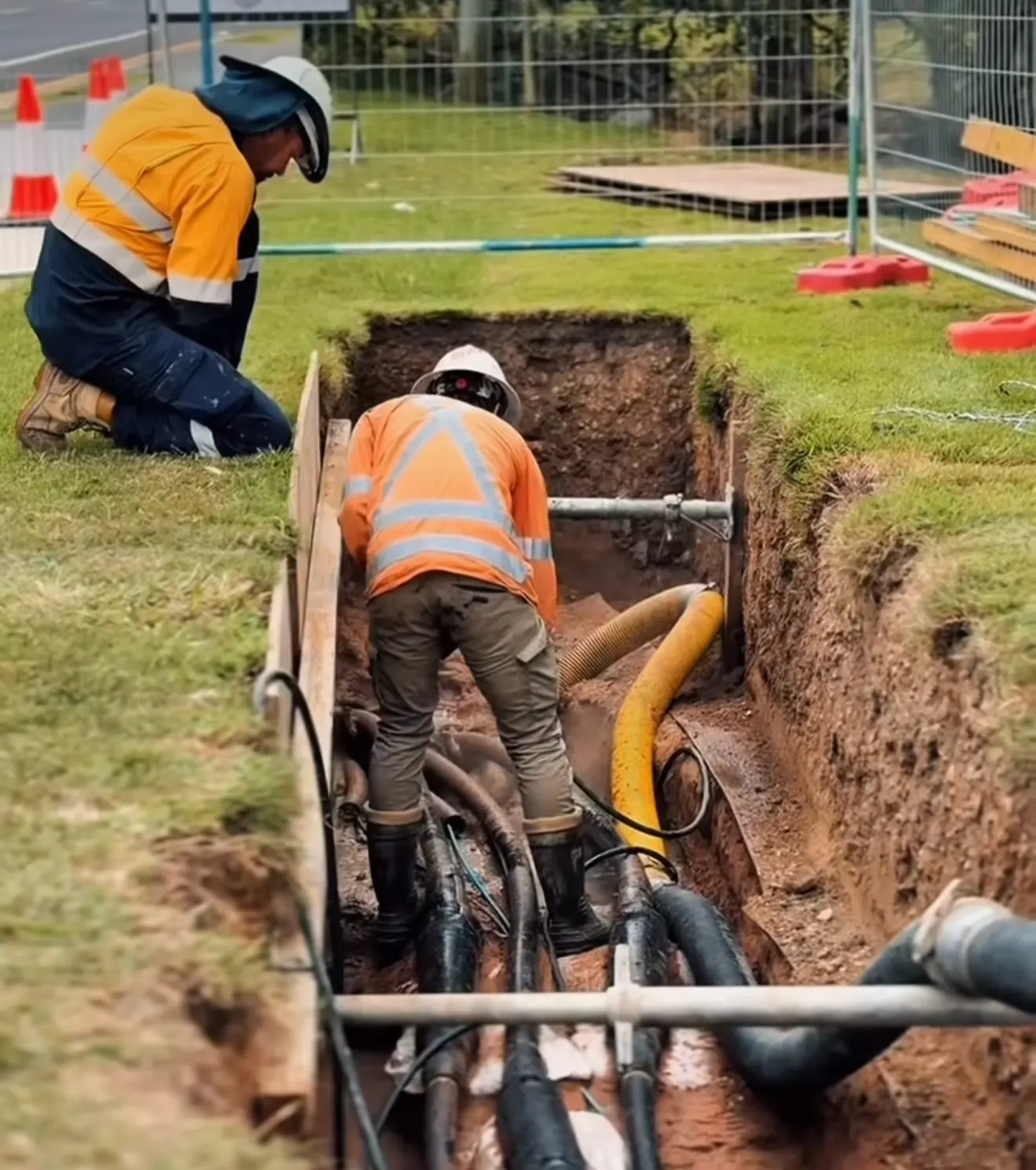
Dynamic Hydro Excavations image library
LADS, Locate & Detection Specialists, joined the Dynamic Group in 2026. The acquisition brings underground service locating and detection into the group alongside the excavation, drainage and inspection fleet.
It is a logical pairing. Locating and non-destructive digging are two halves of the same task: establishing what is in the ground and then exposing it without damaging it.
What locating actually establishes
Service plans show what a network operator believes exists in a corridor. They are a starting point rather than an answer. Locating narrows the uncertainty on the ground by identifying:
- The horizontal position of an asset, marked on the surface
- Approximate depth
- The alignment of a run, including deviations a plan does not show
- The presence of assets that are not on any current record
- Congestion within a corridor, so an excavation can be set out clear of it
That output is what an excavation crew works to. Without it, non-destructive digging is being used to search rather than to expose, which is slower and less certain.
Ground penetrating radar
Ground penetrating radar, or GPR, transmits pulses into the ground and records the reflections that return from boundaries between materials. Those returns are interpreted to identify buried objects and features.
GPR is valuable because it detects non-conductive assets that electromagnetic locating equipment cannot trace, including some plastic pipe and conduit, and it can identify features other than services, such as voids and changes in ground condition.
It is also interpretive. Results depend on ground conditions, moisture, material contrast and the experience of the operator reading them. GPR is used alongside electromagnetic locating rather than instead of it, and the combination is what produces a reliable picture.
CERTLOC accreditation
Locating work carried out through LADS is delivered under CERTLOC accreditation. For clients with prequalification or audit requirements, current accreditation details for a specific scope can be provided on request.
Locate, expose, inspect
Having locating in the group shortens the chain on a common sequence of work:
- Plans requested through the Before You Dig Australia referral service
- Locating and GPR to confirm what is present and mark it up
- Hydro or air excavation to expose and visually confirm the asset
- CCTV inspection where drainage or conduit condition also needs assessing
Running those steps under one group removes the handover gaps that appear when each comes from a different supplier, which on a constrained site is often where time is lost.
Where locating is used
- Before excavation of any kind in a corridor carrying live services
- During design, where the position and depth of existing assets affect a layout
- Ahead of boring, piling or trenching, where a strike would be difficult to reach
- To find an unrecorded connection, branch or abandoned asset
- To establish clearances between proposed works and an existing network
- On sites where a plan has proven unreliable and the corridor has to be re-established
What a locate does and does not tell you
A locate is a surface interpretation of what lies below. Marks show where an asset has been detected and an approximate depth, and both carry tolerance. Depth in particular is an estimate rather than a measurement, and it should be treated that way when an excavation is set out.
That is why a locate is followed by non-destructive digging wherever the asset actually has to be worked on. The locate tells the crew where to put the excavation and how carefully to approach. The excavation is what proves the position.
Conditions that affect results
- Soil type and moisture, which change how signals travel and reflect
- Surface material, including reinforced concrete, which can mask what sits beneath it
- Congestion, where several assets close together are difficult to separate
- Non-conductive materials with no trace wire and no accessible connection point
- Abandoned or disused assets that respond much like live ones
Where conditions limit what can be established, saying so is more useful to a client than a confident mark. The purpose of the work is to reduce uncertainty, and part of that is being clear about what remains uncertain.
Arranging a locate
Locating can be booked on its own or as part of an excavation package. Request a project quote with the site details, or read more about the group on the about page.
Originally shared by Dynamic Hydro Excavations on LinkedIn, 7 July 2026.Follow Dynamic on LinkedIn (opens in a new tab)
Services in this article
Related service regions
Related reading
More news & insights
From a Gold Coast shed to the East Coast: how Dynamic grew
The company began on the Gold Coast in 2003 with two operators, two vacuum excavation trucks and a shed. It now runs depots from Wollongong through to Cairns, with more than 200 assets across the wider Dynamic Group.
3 min read
Read Article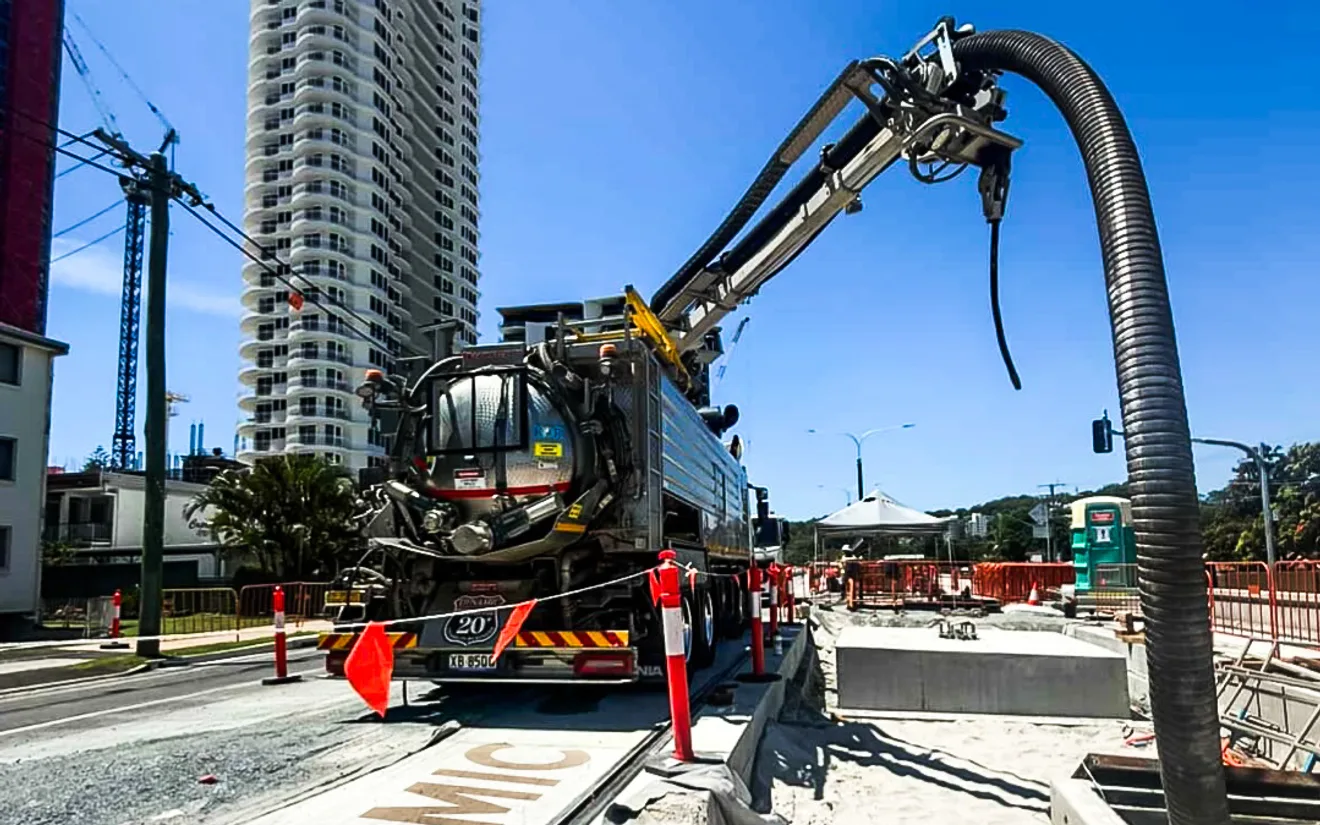
Non-destructive digging around live underground services
Non-destructive digging removes the mechanical cutting edge from the excavation, which is what makes it suitable for work around live services. It helps reduce the risk of a service strike, but only as part of a sequence that starts well before a truck arrives.
3 min read
Read Article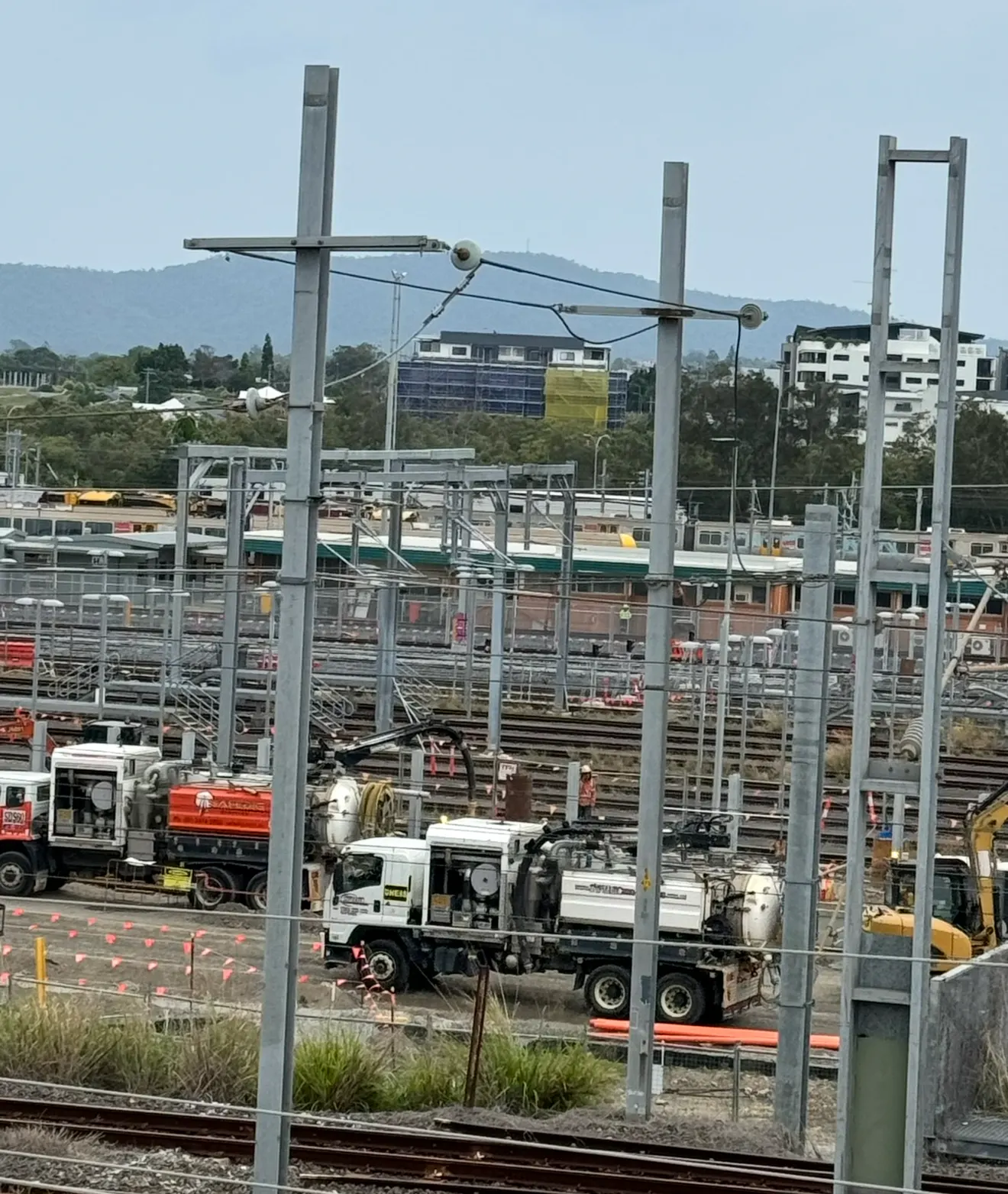
Hydro excavation as a risk control on civil construction sites
On a civil site the excavation method is a programme decision as much as a safety one. Hydro excavation is specified because it narrows the range of things that can go wrong at the point where a project is most exposed.
3 min read
Read ArticlePlanning works that need hydro or vacuum excavation?
Request a project quote or speak with the team about your site, access constraints and programme. We cover planned and urgent works across Queensland and New South Wales.