Vacuum Loading & Material Recovery
High-capacity vacuum loading for sludge, slurry and wet or dry material recovery.
Vacuum loading uses industrial suction to recover and load material rather than to excavate ground. It suits sludge removal, pit and tank cleaning support, and clearing wet or dry material from worksites and industrial facilities.
What is vacuum loading?
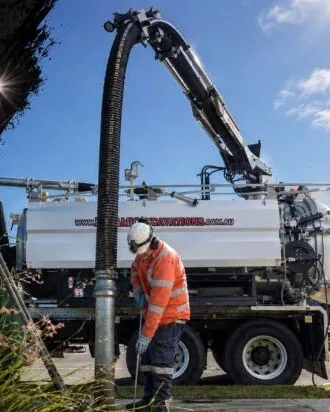
Vacuum loading is the recovery and transfer of material by industrial suction where the ground itself is not being excavated. It lifts sludge, silt, spoil and wet or dry material out of pits, tanks, bunds and stockpiles and into a tank for removal from site.
Where this service is used
- Sludge and mud removal
- Wet material recovery
- Dry material recovery
- Pit and sump cleaning
- Tank cleaning support
- Floodwater and debris removal
- Drill mud removal
- Industrial clean-up
- Construction-site clean-up
What Dynamic brings
- High-capacity vacuum trucks and hydro tankers
- Recovery of a range of material types
- Support for extended clean-up programmes
- Offsite transport and disposal support
What we recover, and where from
Vacuum loading is used where material has to come out of somewhere a loader or a shovel cannot reach safely or cleanly. Units are matched to the material, the volume and the access.
Material types
- Sludge
- Mud
- Slurry
- Silt
- Spoil
- Drill mud
- Wet material
- Dry material
- Floodwater debris
Where it is recovered from
- Pits and sumps
- Tanks
- Bunds
- Stockpiles
- Industrial facilities
- Construction sites
- Drainage assets
Material that may be contaminated has to be identified before it is recovered, because that decides how it is handled and where it can be taken. Tell us what you know about it at enquiry.
Benefits of using Dynamic
High-volume recovery
Large tank capacity suits sustained loading and clean-up work.
Handles difficult material
Sludge, mud and slurry that is hard to remove by hand is recovered by suction.
Clean site handover
Contained loading leaves a tidier, safer worksite.
From material on site to a clean handover
Recovery jobs are rarely only about the vacuum. This is how loading, transport, cleaning and inspection link up on the same programme.
Vacuum loading
Sludge, slurry, silt and spoil are lifted out of pits, tanks, bunds and stockpiles by suction.
This service
High-volume recovery
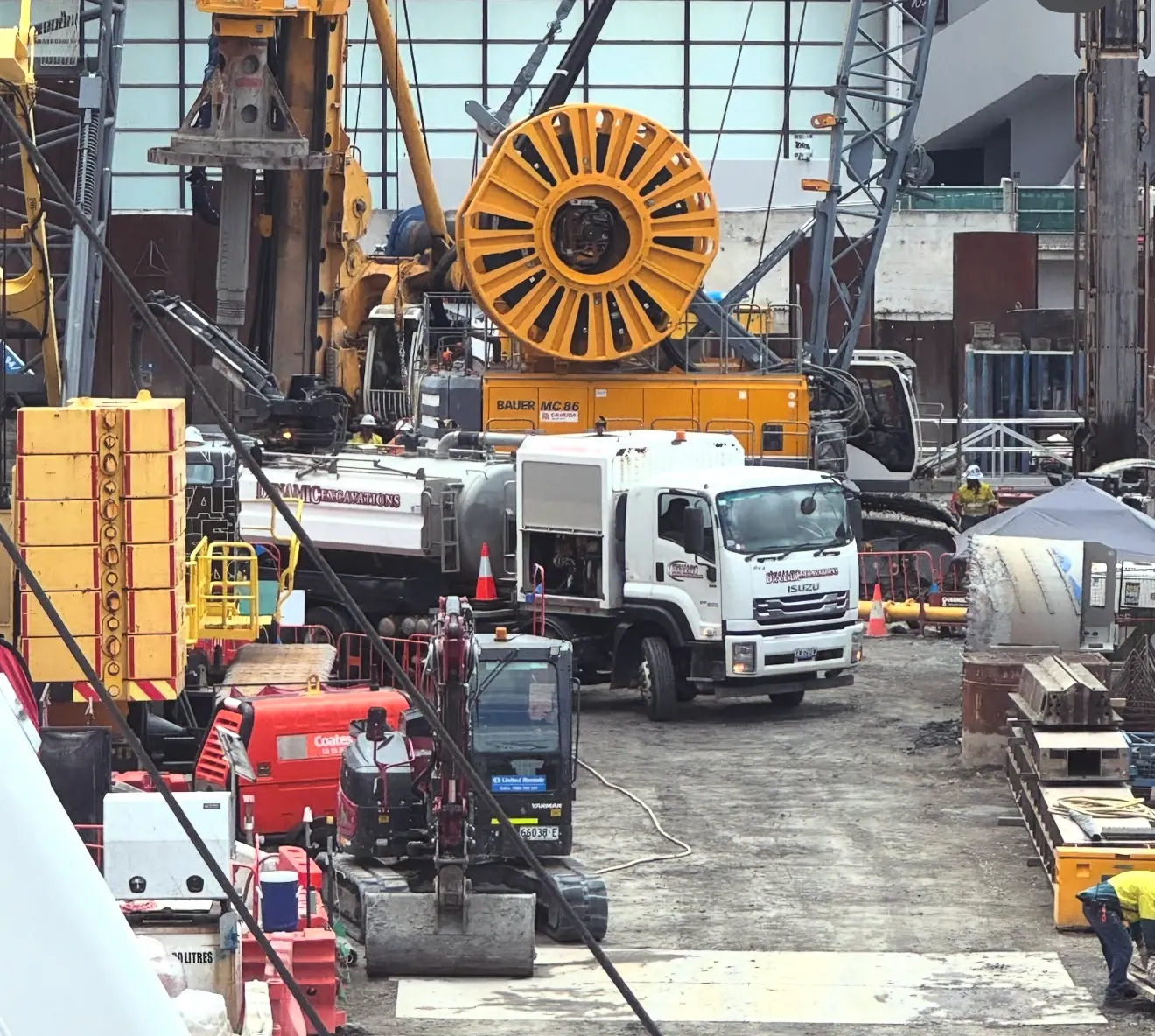
Where the volume is large, a hydro tanker keeps recovery going without a smaller unit spending the shift travelling to tip.
Hydro TankersTransport and disposal
Recovered material is taken off site for disposal. Dry spoil can be carted by tip truck alongside the vacuum crew.
Tip Truck & TransportCleaning
Pits and connected lines are jetted clean once the bulk material is out.
Drain Cleaning & JettingInspection
A CCTV run confirms connected pipes are clear and records their condition at handover.
CCTV Pipe Inspections
Relevant equipment
Industries served
Safety considerations
- Reduces manual handling of wet and heavy material
- Contained recovery limits site spread and mess
- Operators experienced in confined and industrial environments
Where we deliver vacuum loading
Vacuum Loading is delivered by our regional teams along the Queensland and New South Wales coast. Choose a region for its serviced areas, local coverage notes and the way work is scheduled there.
What to send us for an accurate quote
Each of these has a field in the quote form, and site plans, drawings, photos and tender documents can be attached. The more of it we have, the fewer assumptions sit in the price.
- What the material isSludge, slurry, silt, spoil or something else, and whether it is wet or dry.
- Estimated volumeIt decides whether a vacuum unit or a hydro tanker is the better fit.
- Where it isA pit, sump, tank, bund or stockpile, and how far that is from where a truck can stand.
- Site access and inductionsEntry points, clearances and any induction or permit requirement for the facility.
- DisposalWhere the material is going and anything known about its classification.
- Timing and shiftsPreferred date, duration and whether it is a one-off or part of a clean-up programme.
Frequently asked questions
Is vacuum loading the same as hydro excavation?+
No. Hydro excavation digs and exposes ground using water and vacuum. Vacuum loading recovers and loads existing material such as sludge, slurry or spoil. Both use vacuum equipment but for different purposes.
Can you recover material from pits and tanks?+
Yes, vacuum loading supports pit, sump and tank cleaning where safe access and site controls allow.
Can vacuum trucks remove liquid waste and slurry?+
Yes. Vacuum trucks and hydro tankers recover slurry, sludge, drill mud, floodwater and other liquid material from pits, sumps, tanks and worksites. Tell us what the material is at enquiry, because it decides which unit is sent and where the load can be disposed of.
When would a hydro tanker be used instead of a vacuum loading unit?+
It comes down to volume and travel. A vacuum loading unit suits most recovery work, while a hydro tanker is specified where the volume is large enough that a smaller unit would spend much of the shift travelling to tip. Both are quoted against the volume, the material and site access.
Explore related services
Vacuum Excavation
Industrial vacuum excavation for safe, efficient exposure and removal of material.
Drain Cleaning & Jetting
High-pressure jetting and combination units for blocked and dirty pipe networks.
Hydro Tankers
High-capacity hydro tankers for large-volume material recovery on major projects.
Emergency Response
Rapid mobilisation of crews and equipment for urgent and disaster-recovery works.
Related insights
Further reading on vacuum loading
Written by the people who run this work, on how jobs are planned, what changes on site and what we have learnt doing it.
Hydro excavation compared with vacuum excavation
The two terms are often used as though they mean the same thing. In practice vacuum excavation describes the removal method and hydro excavation describes the cutting medium. Understanding the difference makes it easier to specify the right unit.
3 min read
Read Article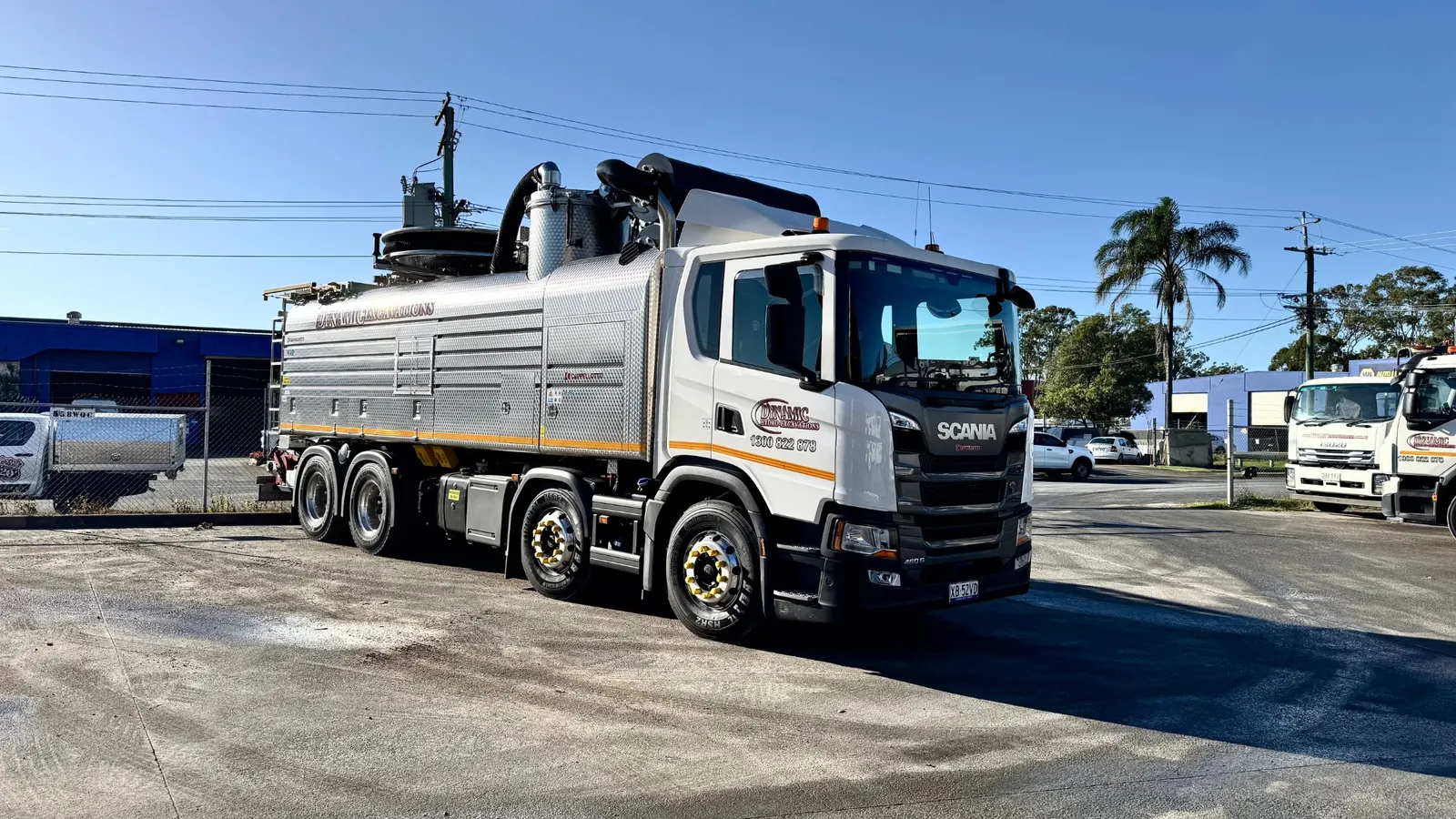
Vac truck hire across Brisbane, the Gold Coast and the Sunshine Coast
South east Queensland is Dynamic’s home market, with depots on the Gold Coast, in Brisbane and on the Sunshine Coast. Here is what a vac truck is typically used for across the region and what to consider when booking one.
4 min read
Read Article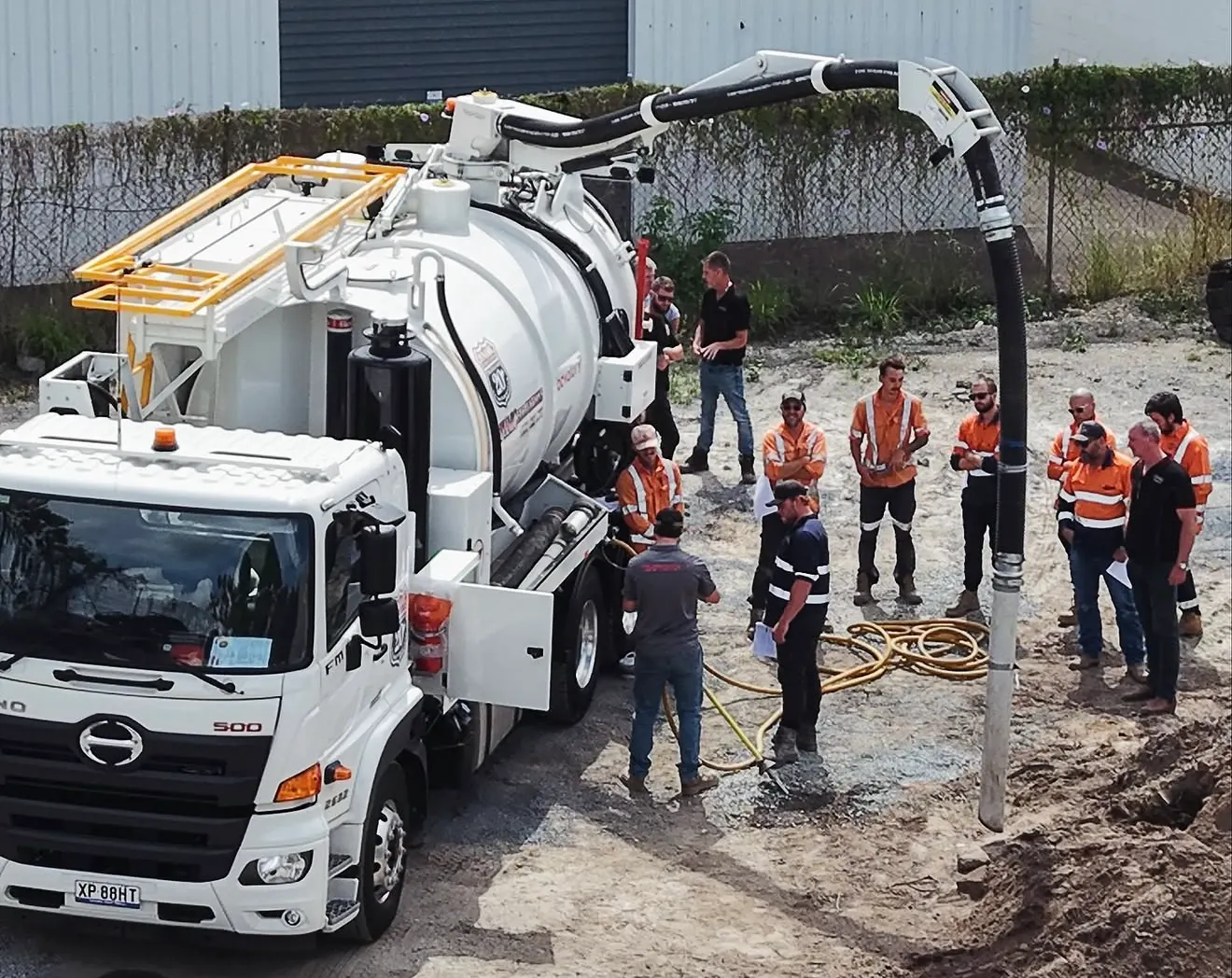
Combination units and how drain cleaning actually works
A combination unit carries jetting and vacuum capability on the same truck, so a drainage line can be cut clean and the material recovered in one operation. Water recycling extends how long a crew can work before refilling.
4 min read
Read ArticleProject evidence
Vacuum Loading on live projects
Case studies where vacuum loading formed part of the scope, including the site constraints and how the work was sequenced.
Request a Vacuum Loading quote
Tell us about your project and our team will respond. For urgent works, call 1300 822 878.
Step 1 of 6: Service
- 1Service
- 2Location
- 3Project
- 4Contact
- 5Files
- 6Review