Vac truck hire across Brisbane, the Gold Coast and the Sunshine Coast
4 min read
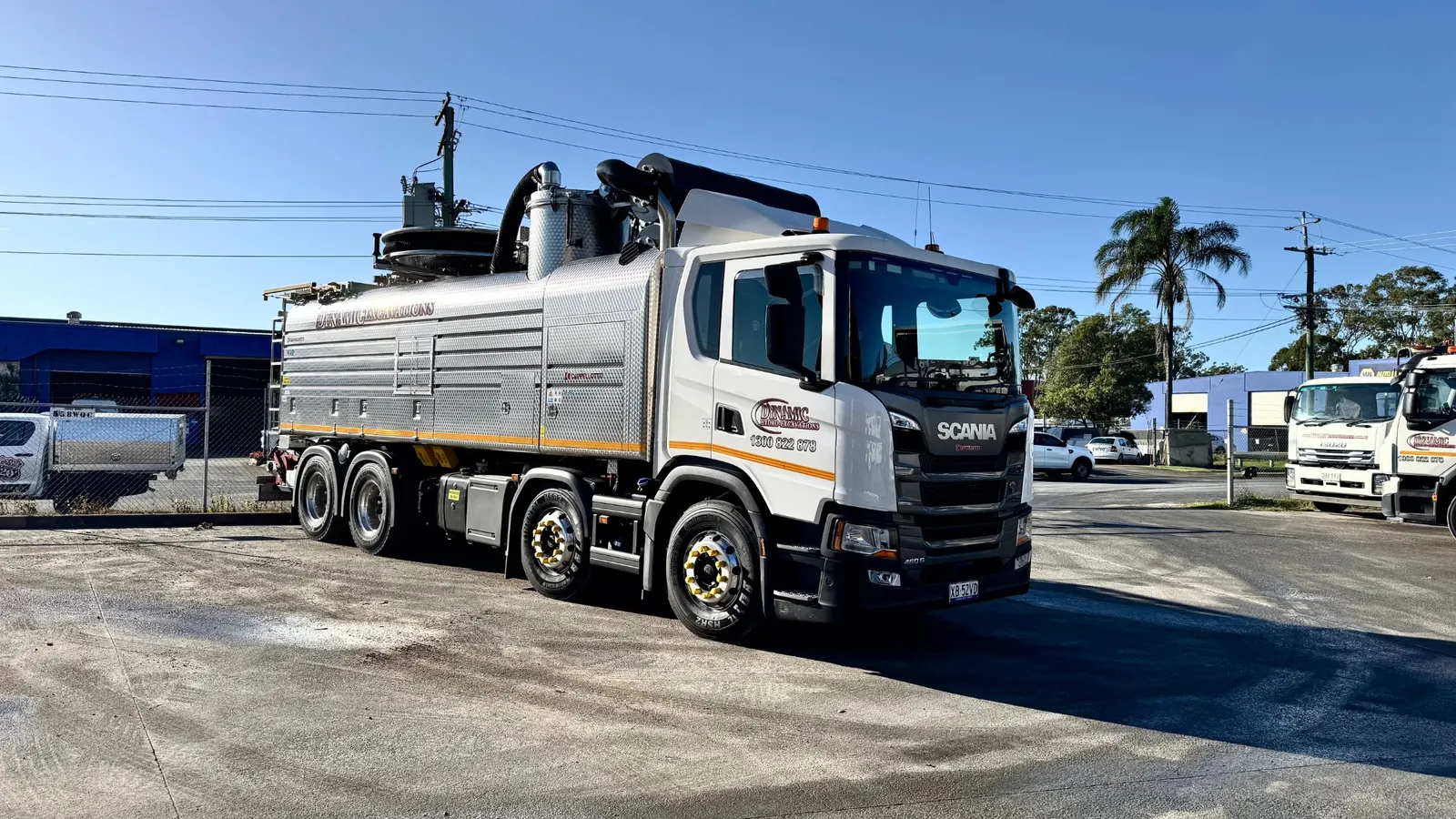
Dynamic Hydro Excavations image library
South east Queensland is where Dynamic started and it remains the busiest part of the network, with depots on the Gold Coast, in Brisbane and on the Sunshine Coast. Head office is still on the Gold Coast, where the business began in 2003.
The concentration of depots matters because the region generates a lot of short-notice work. Most vac truck bookings across south east Queensland are measured in days rather than weeks of lead time.
What a vac truck is used for
A vacuum excavation truck covers a broader range of tasks than the name suggests:
- Potholing and service exposure ahead of construction or connection works
- Service trenching where accuracy matters more than volume
- Excavating in confined areas, alongside structures and around tree roots
- Pit, chamber and sump cleaning
- Vacuum loading of liquids, slurries, sludge and dry material
- Debris and spoil removal from areas plant cannot access
- Support to piling, drainage, roadworks and utility crews
Working conditions across the region
Brisbane
Inner Brisbane work is dominated by constraints rather than volume: congested service corridors, restricted truck standing positions, traffic management and short access windows. Boom and hose reach frequently determines whether a job is workable, because the truck cannot always be positioned close to the working face. How units are matched to those constraints is covered on our vac truck hire Brisbane page.
Gold Coast
The Gold Coast mixes dense established suburbs with continuing development. Work ranges from service exposure in built-up streets through to civil support on new estates and infrastructure upgrades. Two depots operate in the region alongside head office. Our vac truck hire Gold Coast page covers how wet spoil and tank capacity shape the choice of unit there.
Sunshine Coast
Sunshine Coast work carries a strong subdivision and civil infrastructure component, with drainage installation, service exposure and site support across new and upgraded networks. The depot also supports works north towards the Fraser Coast. Our vac truck hire Sunshine Coast page covers how units are matched to estate work and paired with the depot’s tipper.
Choosing a configuration
Not every job needs the largest available unit. Selection generally comes down to:
- Access, including gates, gradients, overhead clearance and standing position
- Distance from the standing position to the working face
- Volume of material and the distance to a suitable disposal point
- Whether the work is excavation, loading or both
- Whether spoil must leave site or can be reinstated
For high volume liquid removal a hydro tanker is usually more efficient than an excavation unit, because tank capacity rather than cutting performance becomes the constraint. The full range of configurations is on the fleet page.
Emergency and after-hours works
Water main failures, drainage surcharges, spills and service strikes do not wait for business hours. Emergency response is available across the region, and having depots in each area is what makes a genuine response time possible rather than an aspiration.
What to expect on the day
A planned job runs to a familiar pattern. The crew arrives, walks the site with the supervisor, checks the marked service locations against the plans, sets up traffic management or exclusion zones where they are needed, and starts the excavation. Progress is checked against expected depth as the work goes down.
Most delays on site have nothing to do with the excavation. Uncertain access, an unresolved permit, a locate that has not been done, or a disposal point that has not been confirmed are the usual causes. Quoting stage is the cheapest time to settle all four.
Traffic management and access windows
A large share of regional work happens in road reserves and verges. Where a truck has to stand in a trafficked lane or across a footpath, traffic management belongs in the scope rather than in the margins, and approved hours of work often decide when a crew can start. On arterial roads that can mean night works.
Regular programmes and standing arrangements
Where a client needs vacuum excavation repeatedly rather than once, a standing arrangement usually works better than quoting job by job. Units can be allocated on set days, the same crews get to know the network, and rates and documentation are settled once. Councils, utilities and civil contractors across south east Queensland work this way.
Lead times through the year
Lead times across the region move with the season. Wet weather brings drainage and emergency work forward and tightens availability, and the weeks before the summer storm season are consistently busy for cleaning and inspection programmes. Work that can be scheduled is best booked ahead of it.
Booking early also gives the team a better chance of allocating the unit that suits the site rather than the one that happens to be free. Where a job is genuinely urgent, the depot network is what makes a same-day response possible across most of the region.
Booking a unit
For planned works, request a project quote with the site details. For urgent works, call the team directly and they will confirm the closest available unit.
Services in this article
Related service regions
Related reading
More news & insights
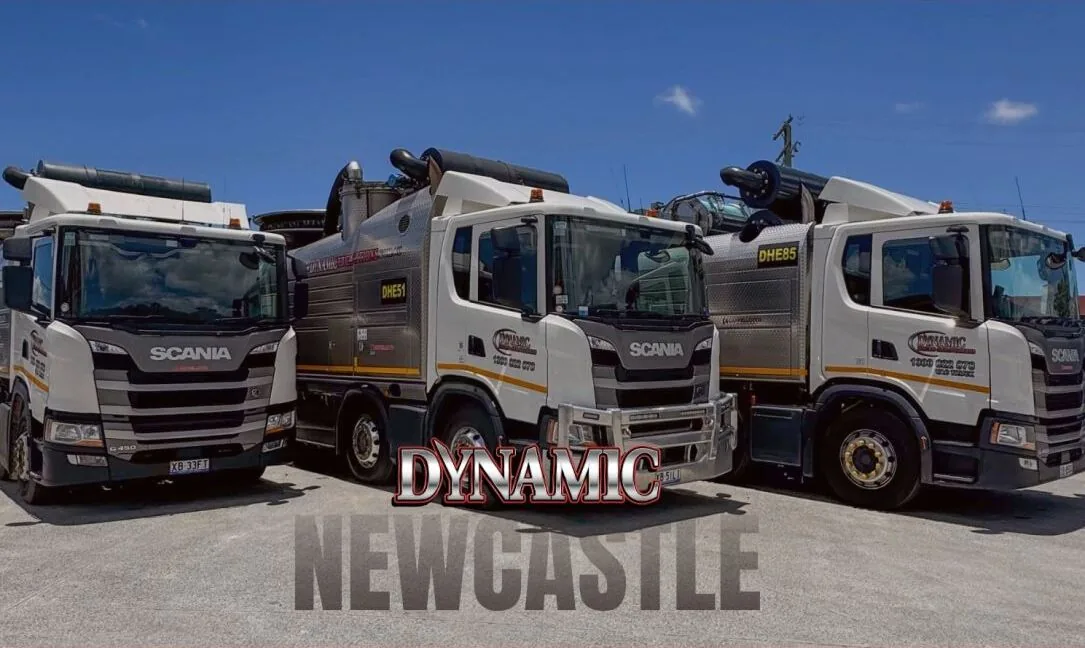
Inside the Dynamic fleet: what each unit is built for
The Dynamic Group runs more than 200 assets. This is a plain guide to the main categories in the fleet, what each is built for, and how the right unit is matched to a site.
4 min read
Read Article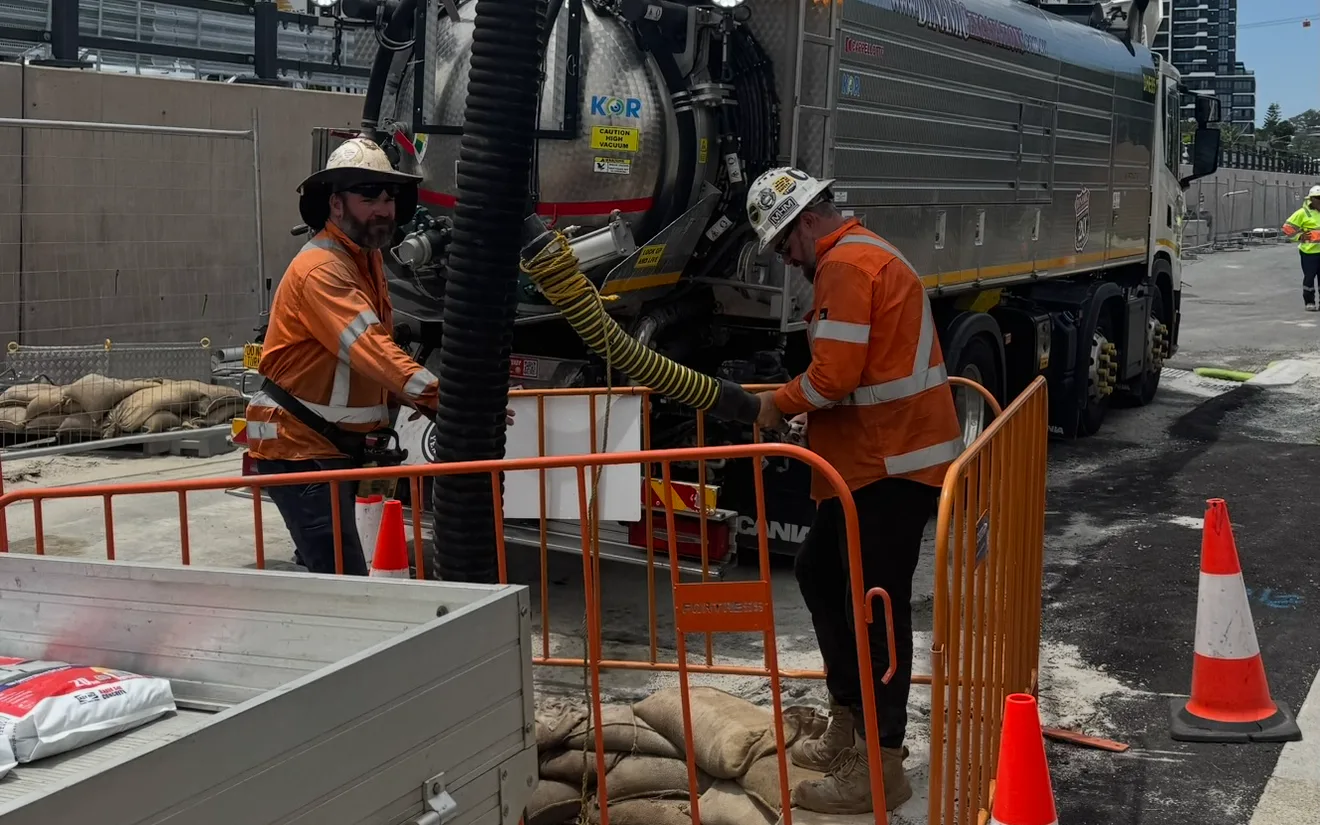
What is hydro excavation and how does it work?
Hydro excavation combines a high-pressure water jet with high-volume suction to remove soil without a mechanical cutting edge. It is the standard method for exposing live underground services and for digging where a machine bucket cannot be used safely.
3 min read
Read Article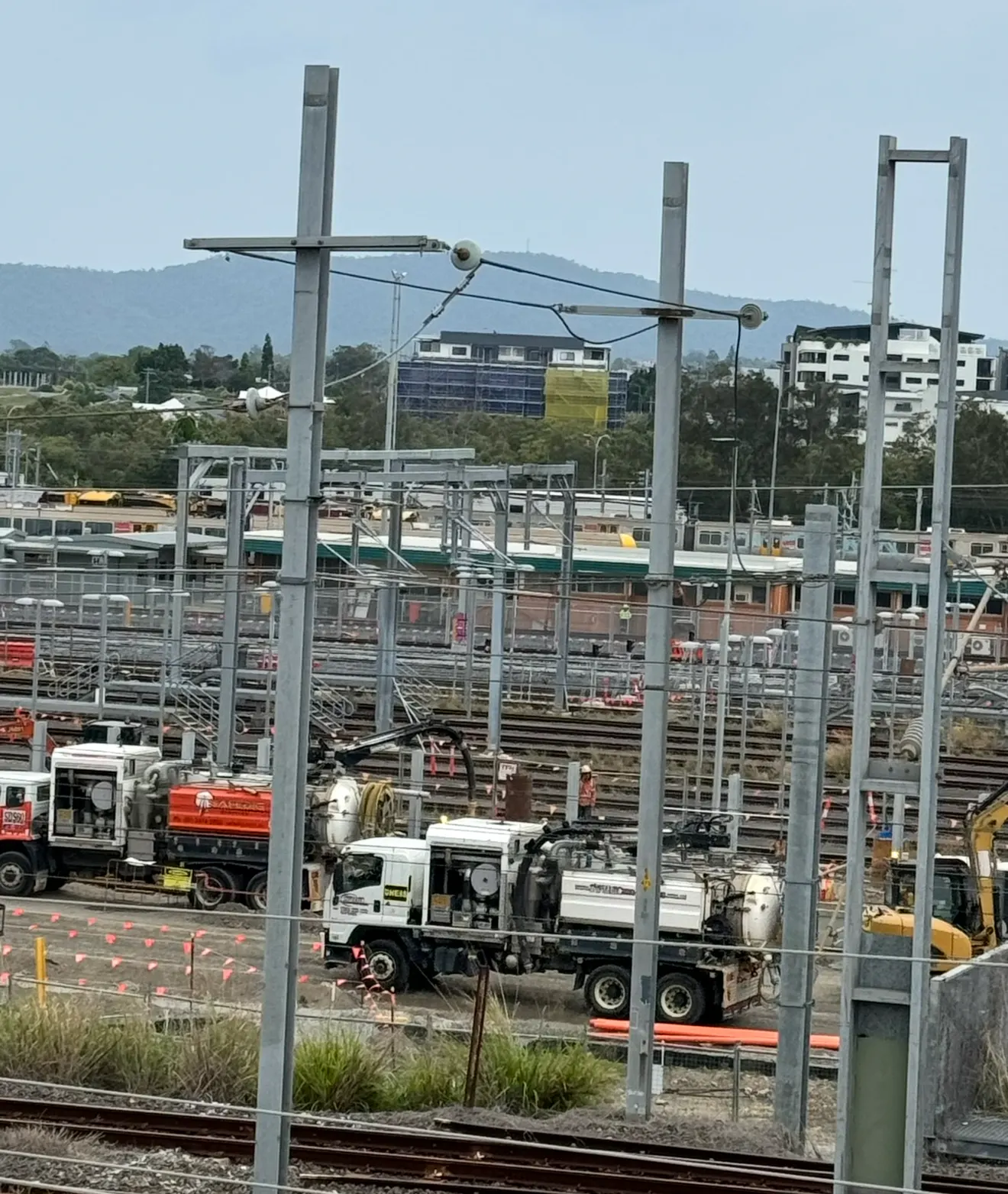
Hydro excavation as a risk control on civil construction sites
On a civil site the excavation method is a programme decision as much as a safety one. Hydro excavation is specified because it narrows the range of things that can go wrong at the point where a project is most exposed.
3 min read
Read ArticlePlanning works that need hydro or vacuum excavation?
Request a project quote or speak with the team about your site, access constraints and programme. We cover planned and urgent works across Queensland and New South Wales.