Wet spoil and tank capacity
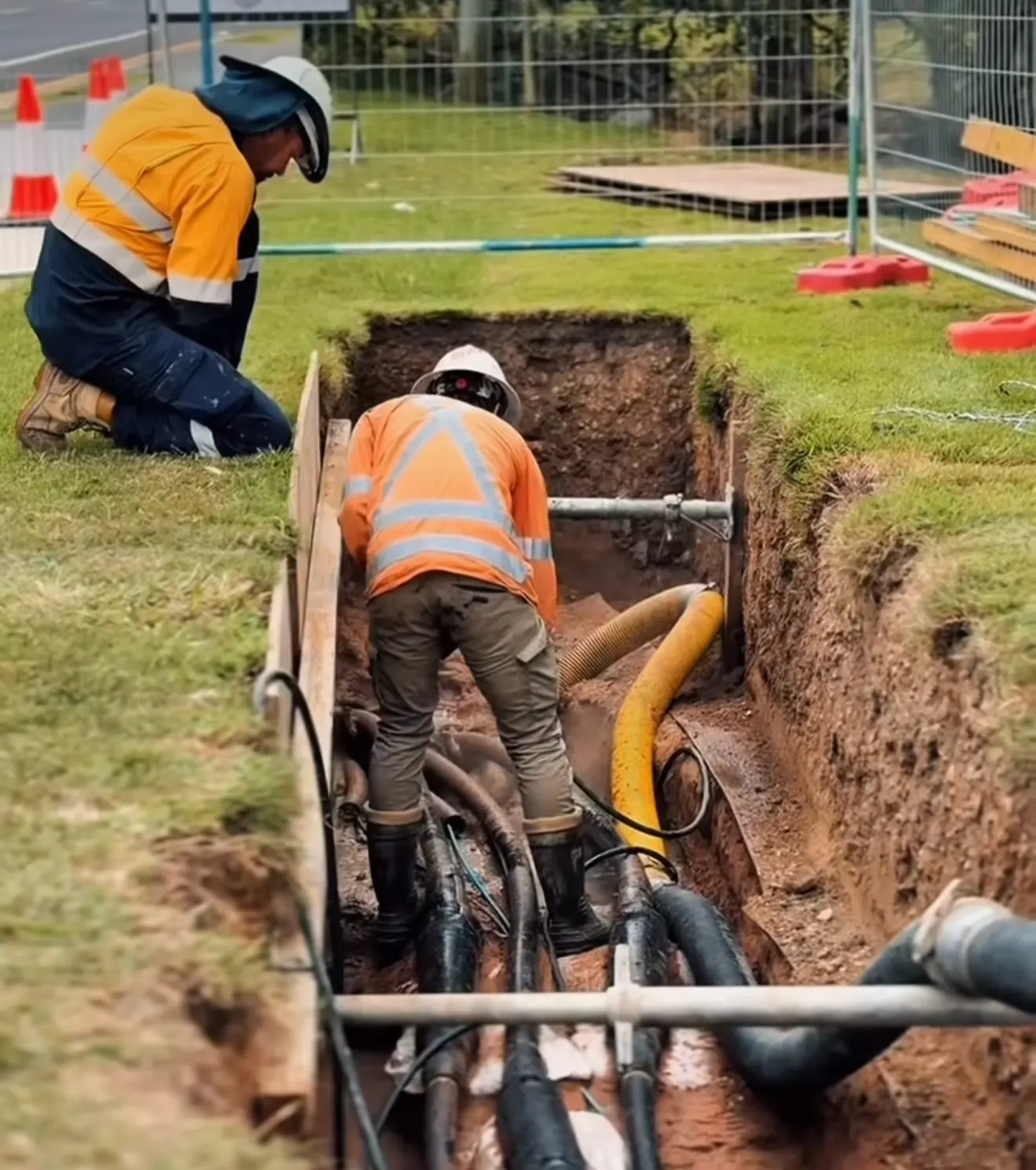
Sandy ground and a high water table mean many Gold Coast excavations produce wet, heavy spoil. A tank fills faster with slurry than with dry soil, so the number of trips to tip, and the distance to a suitable disposal point, can matter more than the cutting itself.
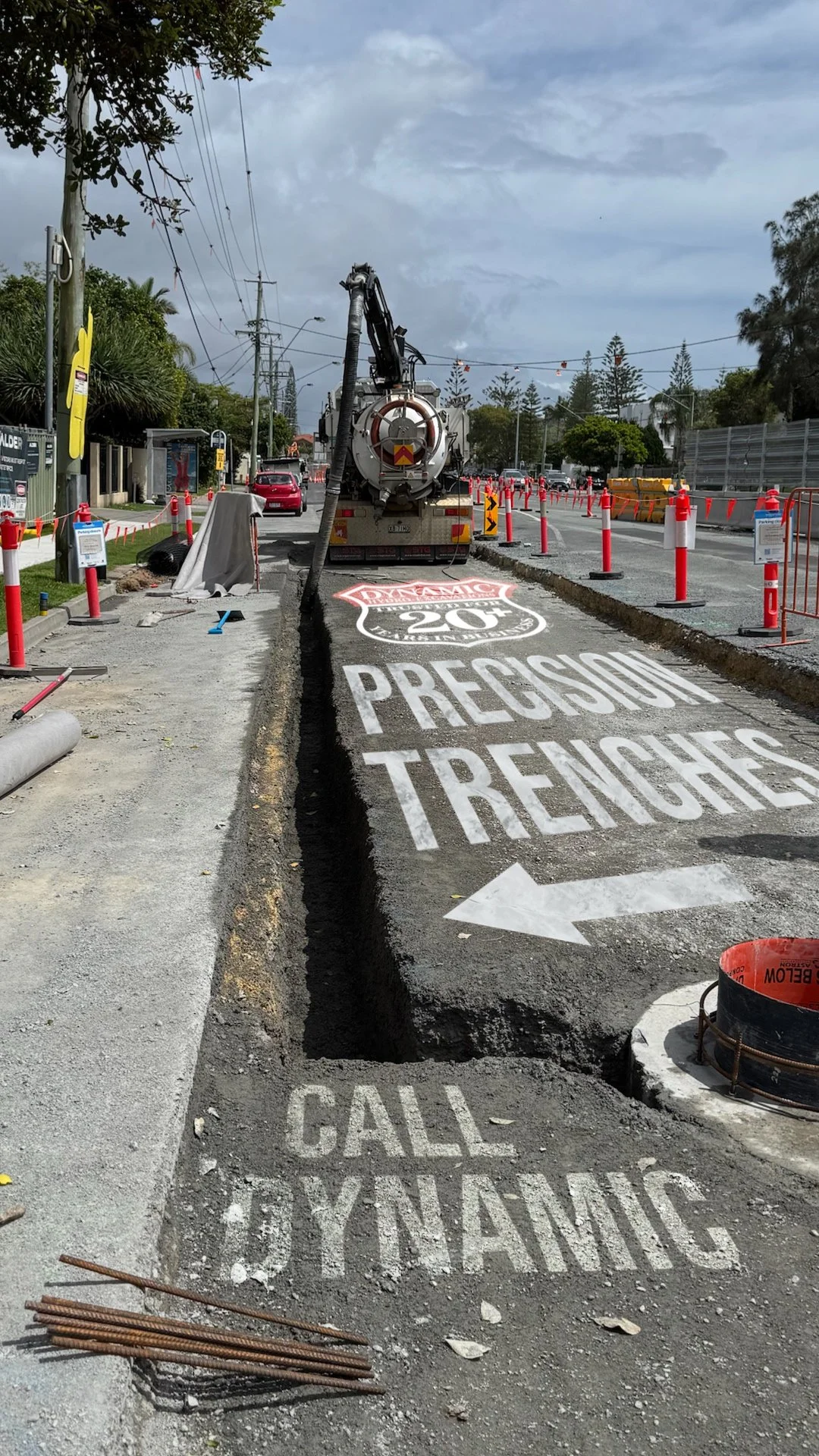
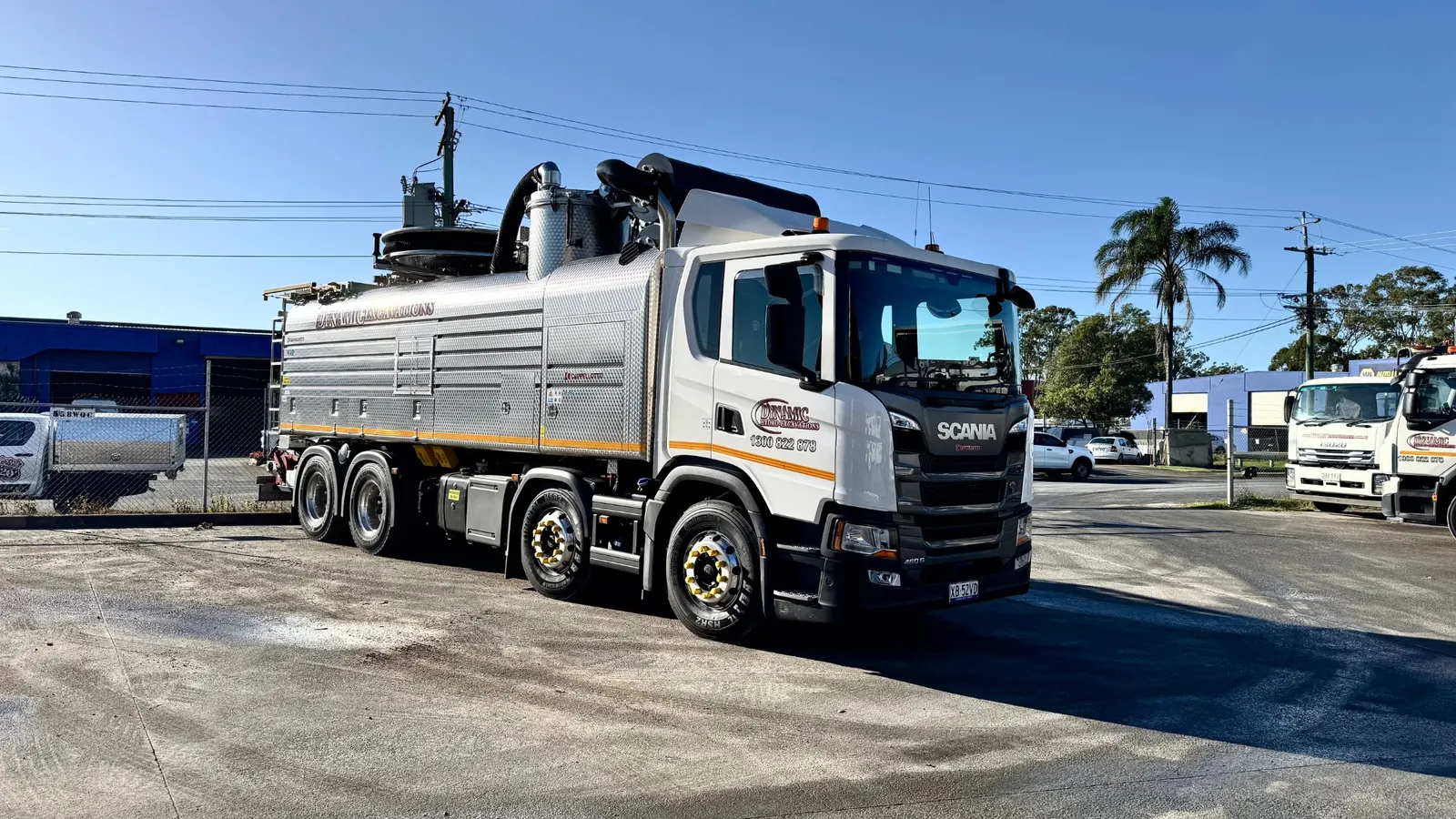
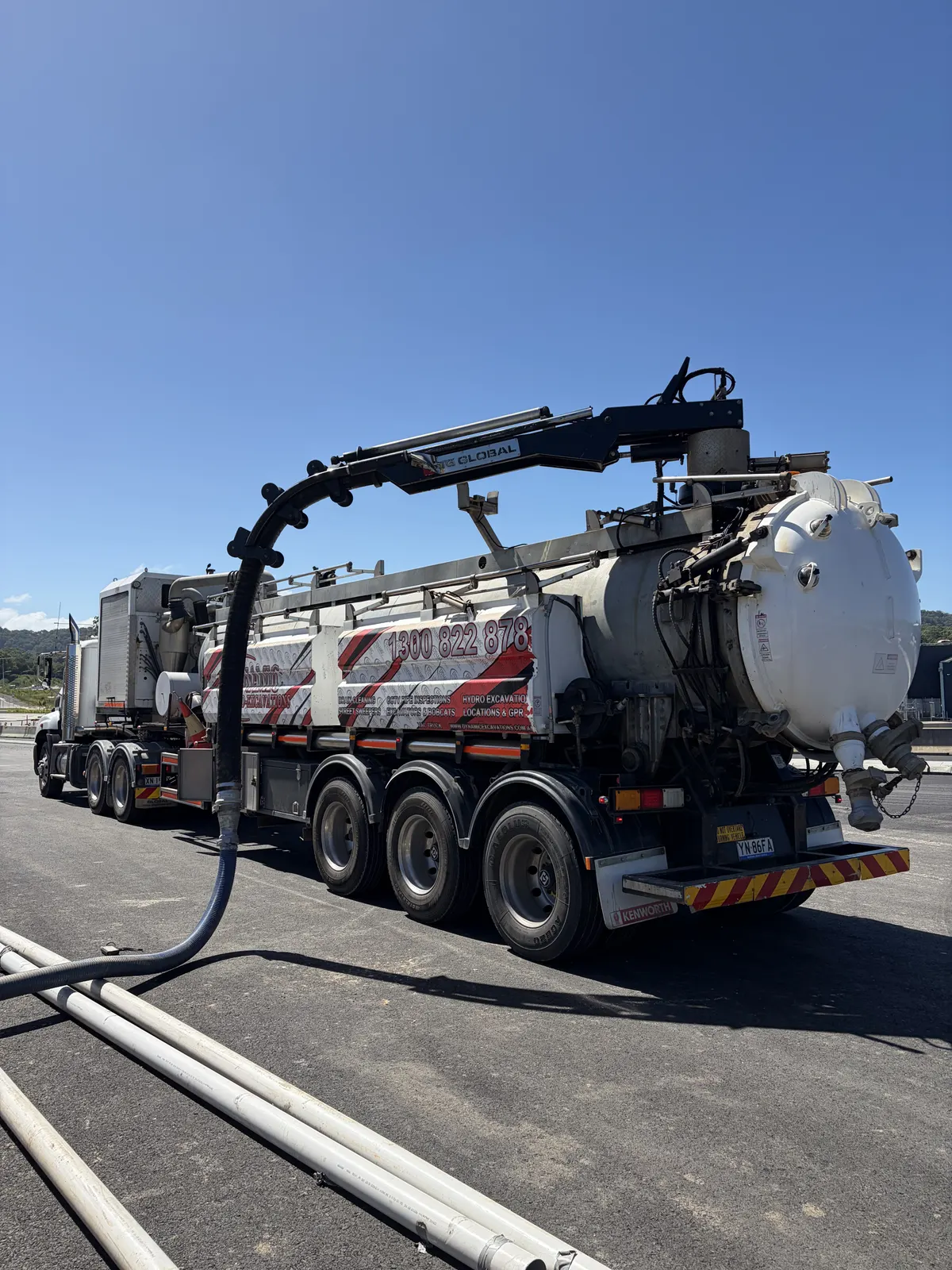
That is why unit selection starts with volume. A compact truck suits potholes and short runs. A 10x4 vacuum truck suits longer trenches and wetter sites, and a hydro tanker can work alongside to take liquid away so the excavation unit stays on the job.
Estates, high-rise sites and established streets
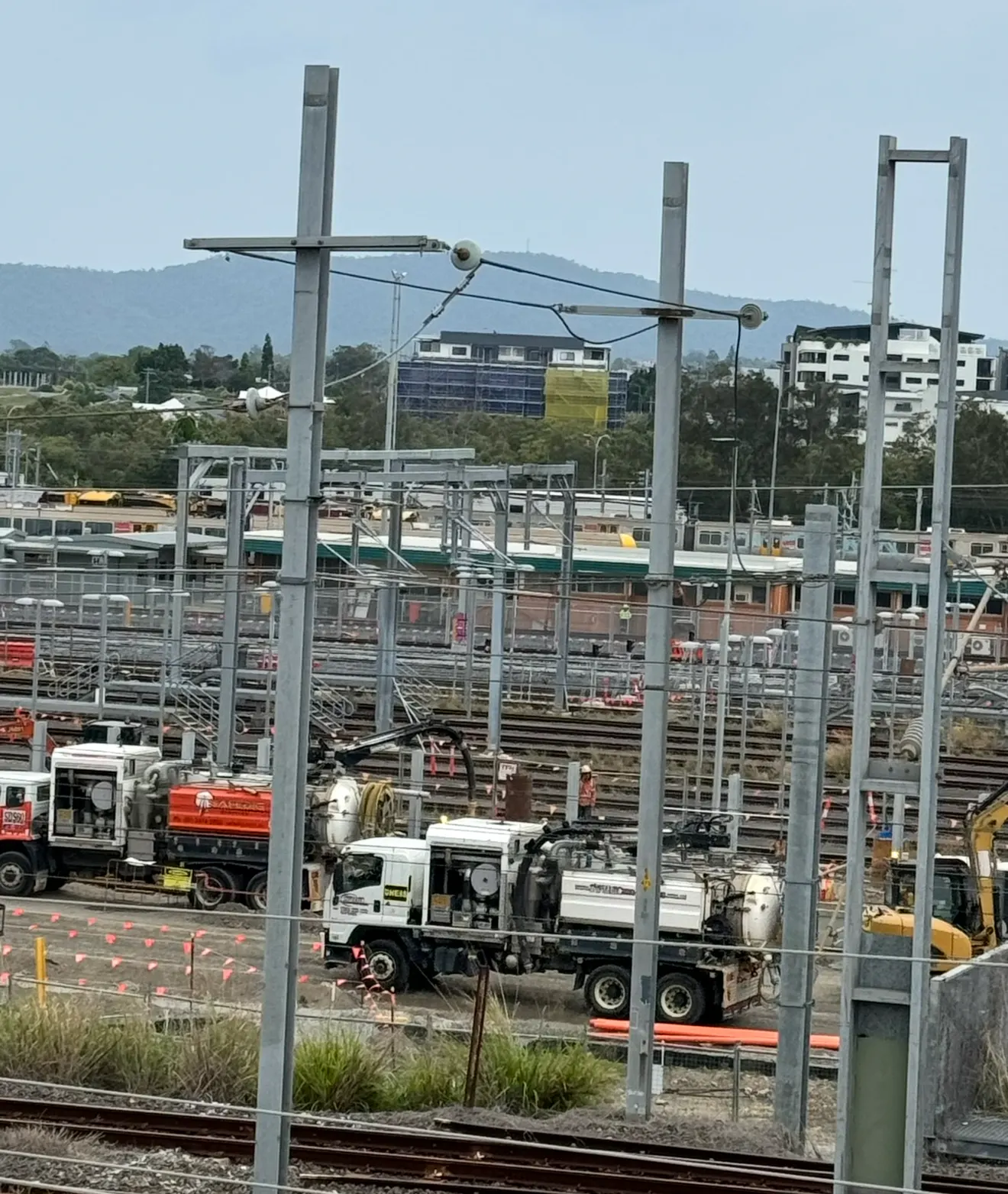
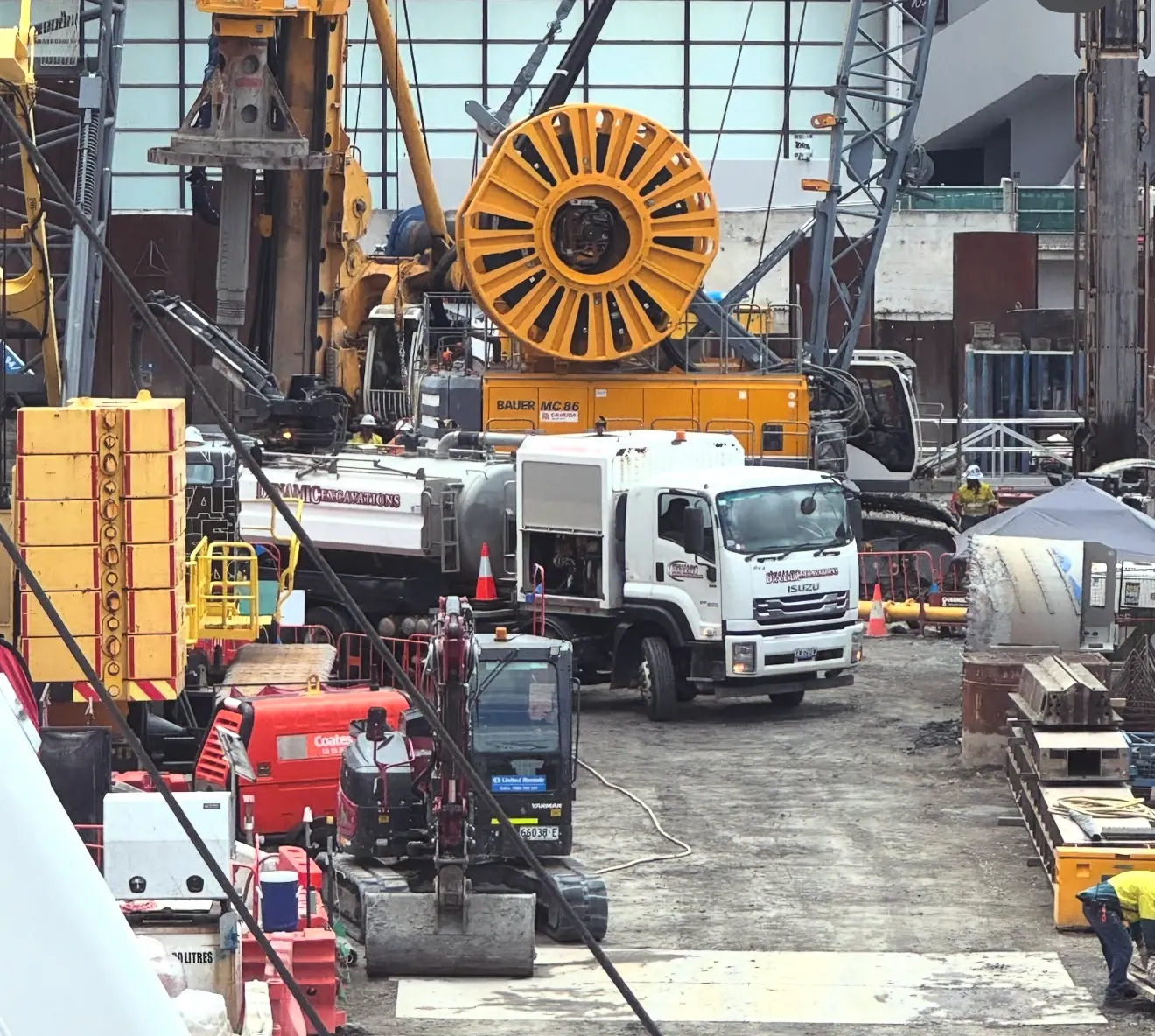
Gold Coast work ranges from service exposure in dense, built-up streets to civil support on new estates and infrastructure upgrades. On subdivisions, vac trucks support drainage installation, service connections and pit work. On high-rise and commercial sites, they expose services, excavate in tight footprints beside existing structures and clean out pits before handover.
Access differs sharply between those settings. A greenfield estate usually has room to stand a large unit. A beachside street with parked cars, overhead lines and pedestrians often does not, and hose reach becomes the deciding factor.
After-hours and urgent work
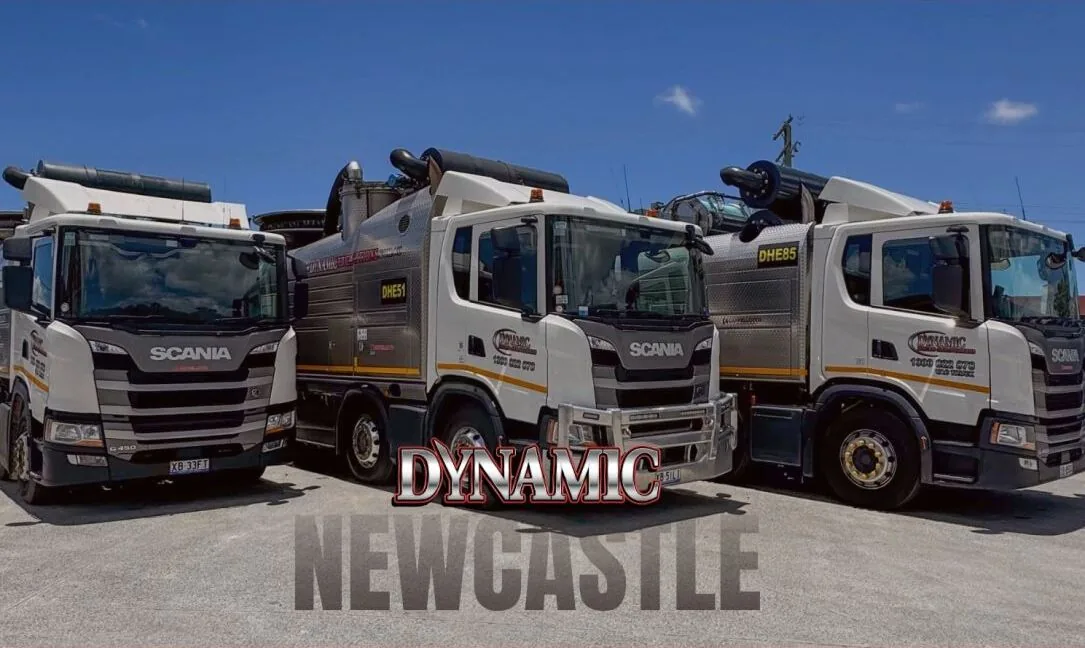
Water main failures, drainage surcharges after heavy rain, spills and service strikes happen outside business hours. Emergency response is available across the region, and units based on the Gold Coast are what make a genuine response possible rather than a truck travelling from another city.
For urgent work call 1300 822 878 and the team will confirm the closest available unit. For planned work, a quote with the site details lets the right truck be allocated rather than whichever one happens to be free.
Supporting plant from the same group
Where a job needs more than vacuum excavation, excavators, bobcats and tip trucks can be supplied with operators, and drain cleaning and CCTV crews work from the same region. One booking can cover the sequence from locating to spoil removal.