When the job is volume, not a pothole
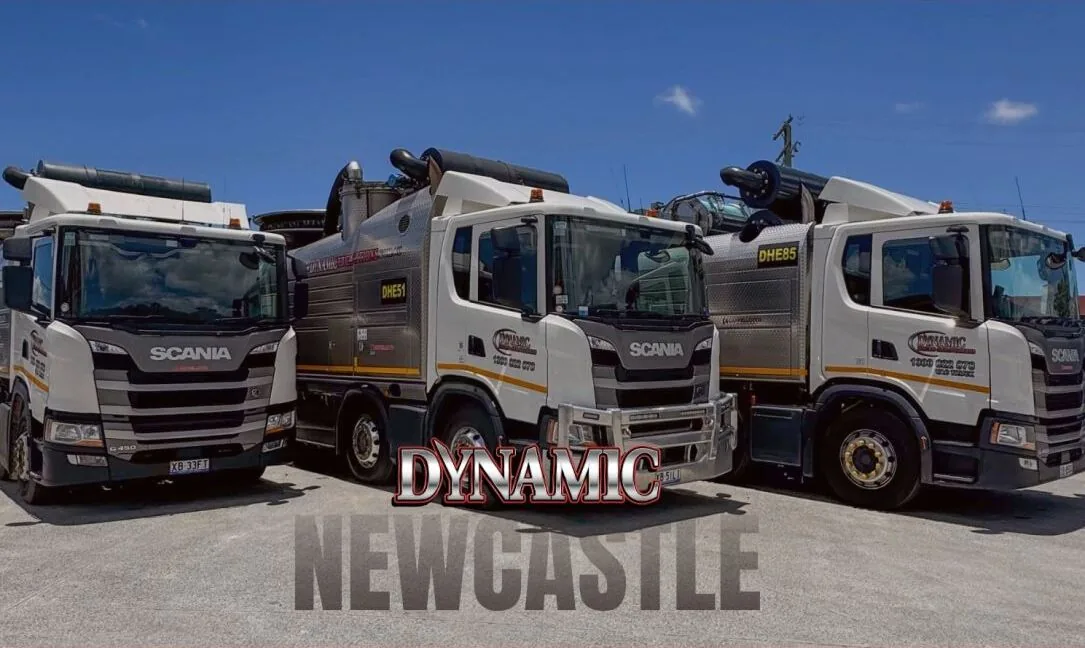
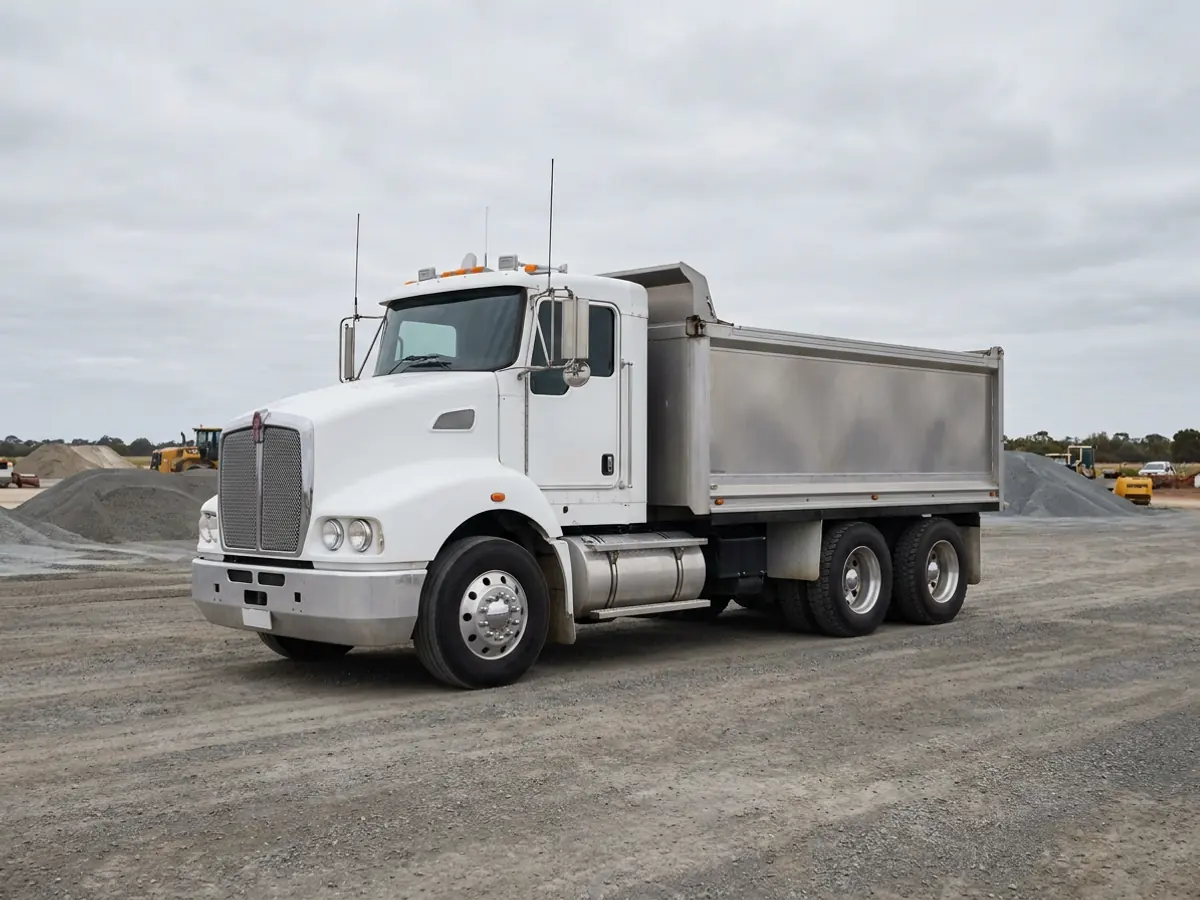
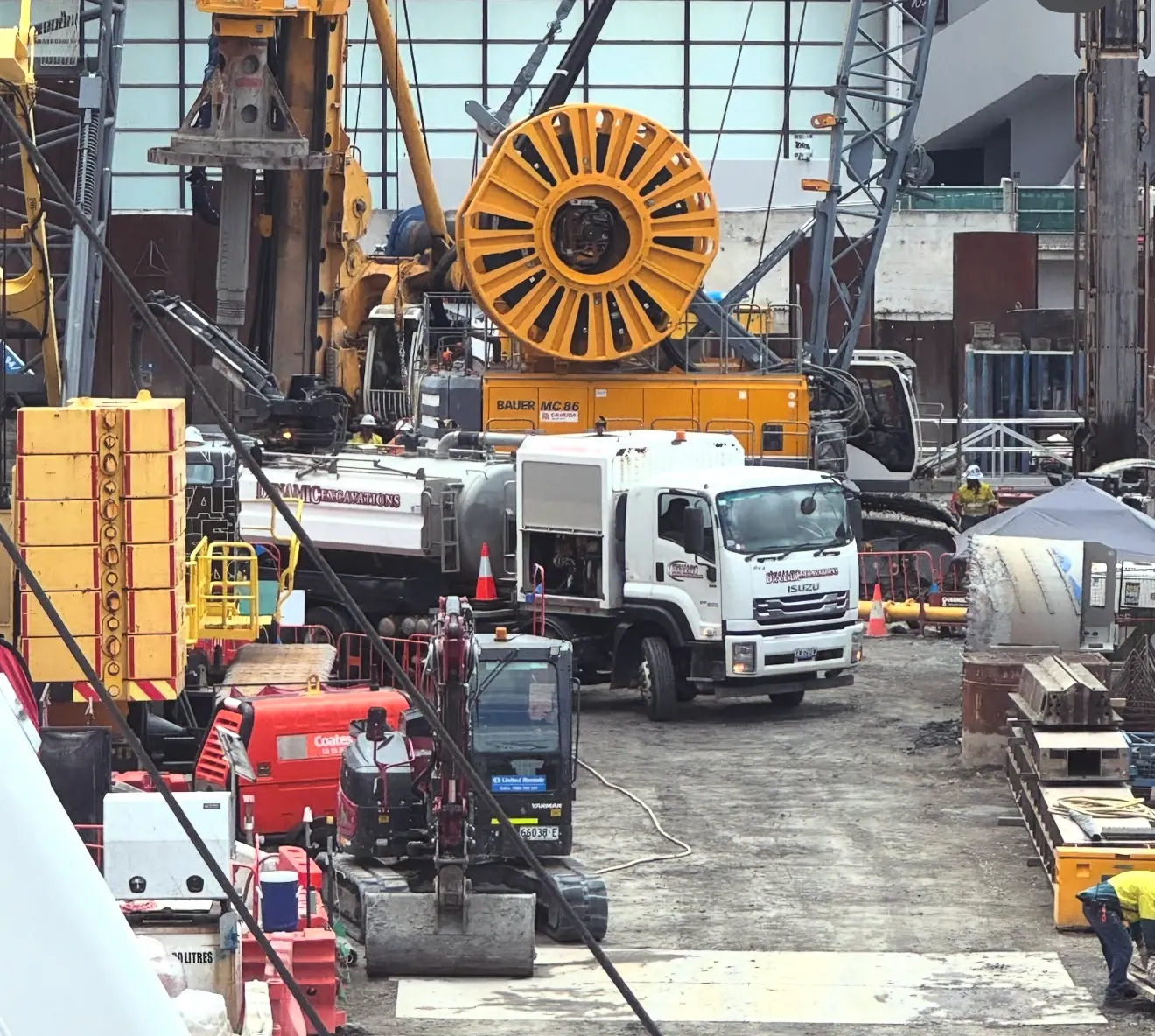
Some Hunter work produces a lot of material and very little time to move it. The usual answer is to run 10x4 vacuum trucks, hydro tankers and tip trucks as one coordinated crew, so material is excavated and carted without the work fronts waiting on it. The large-volume Newcastle capability example further down this page shows how that is set up.
The logic is simple. A vac truck that stops to drive to tip is not digging. Pairing it with a tanker for liquid and tippers for drier spoil keeps suction on the excavation for more of the shift. If your job looks like that, give us the expected volume and the length of the programme so the right mix can be planned.
Choosing the unit for the site
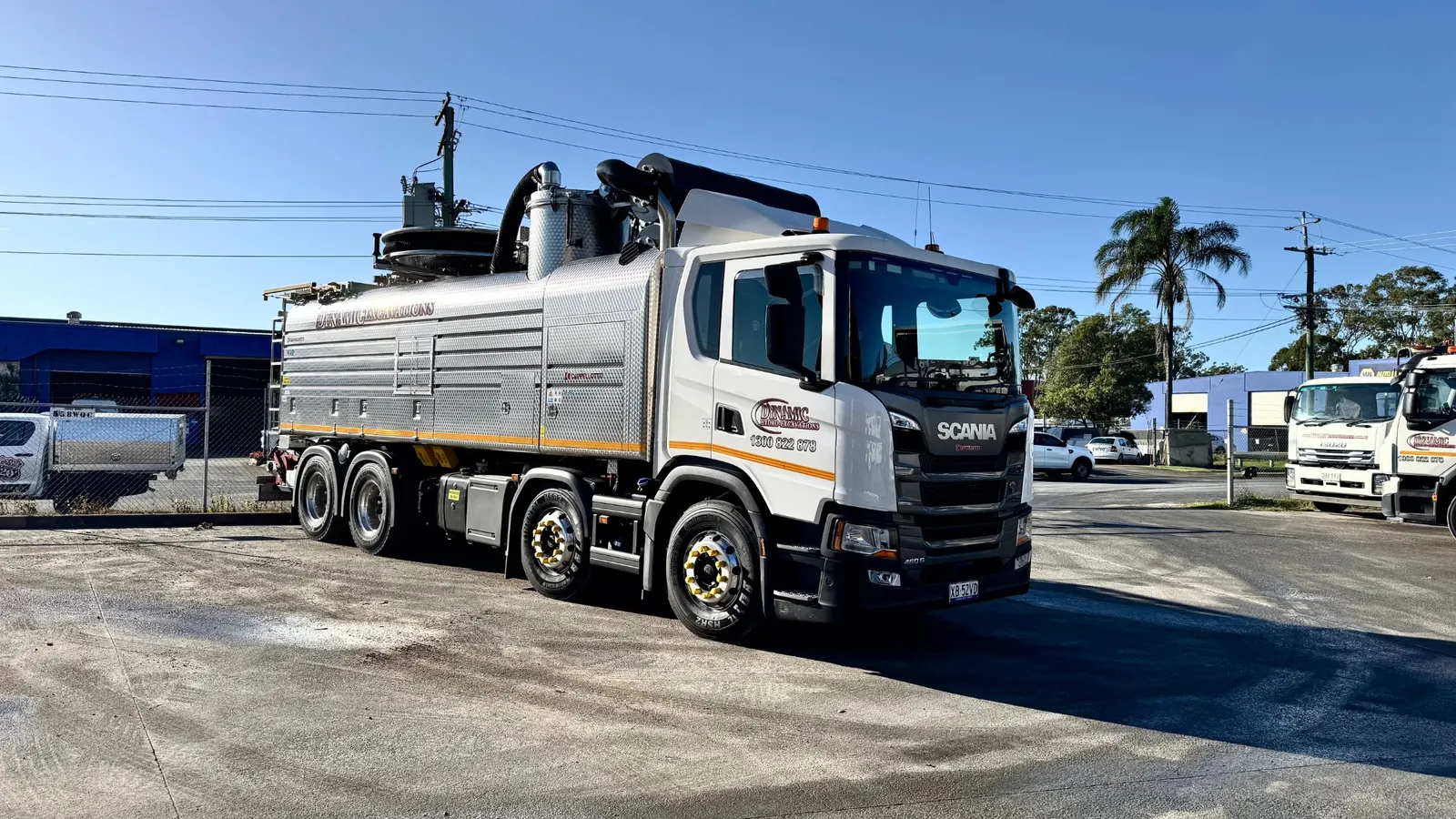
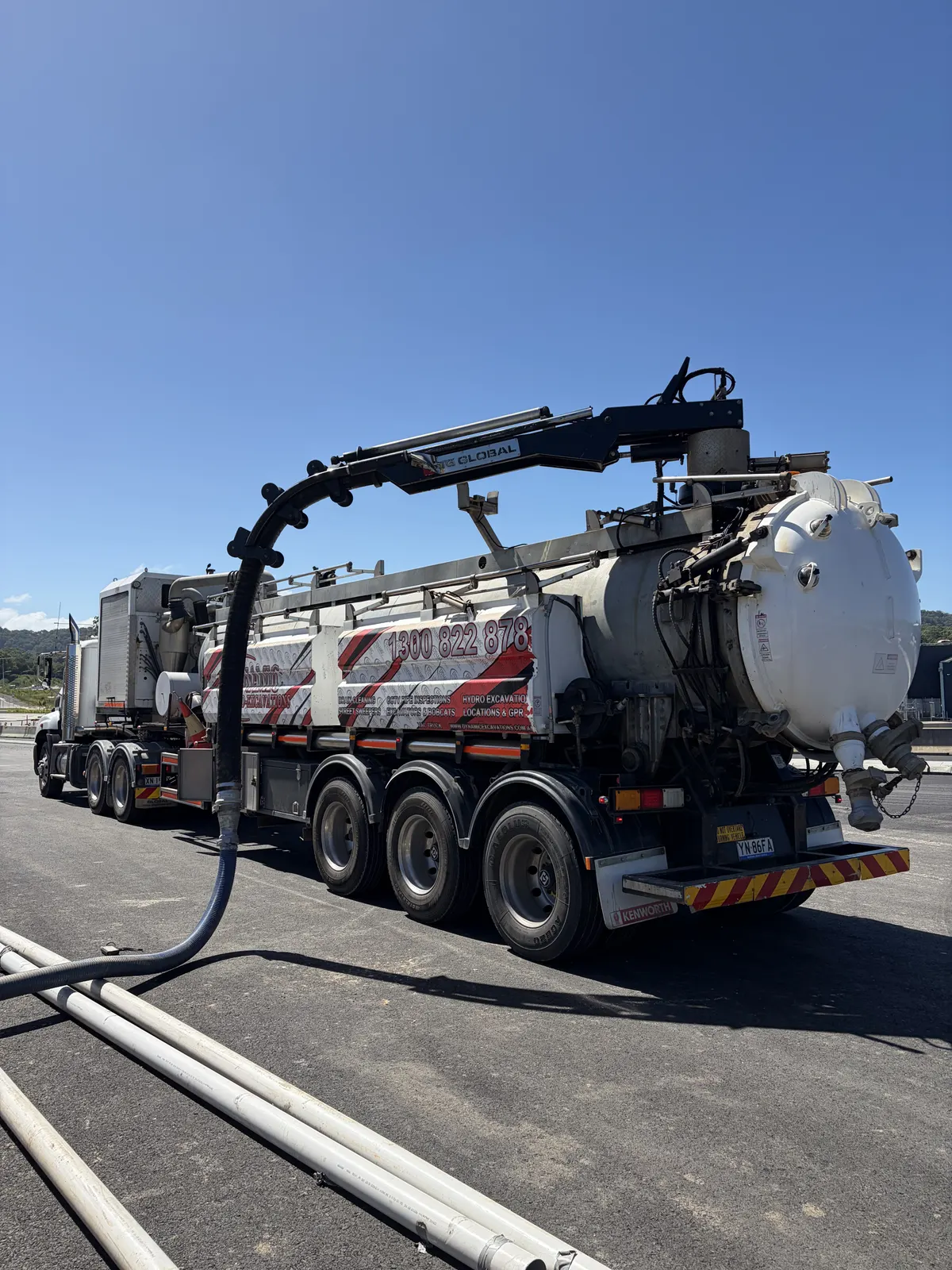
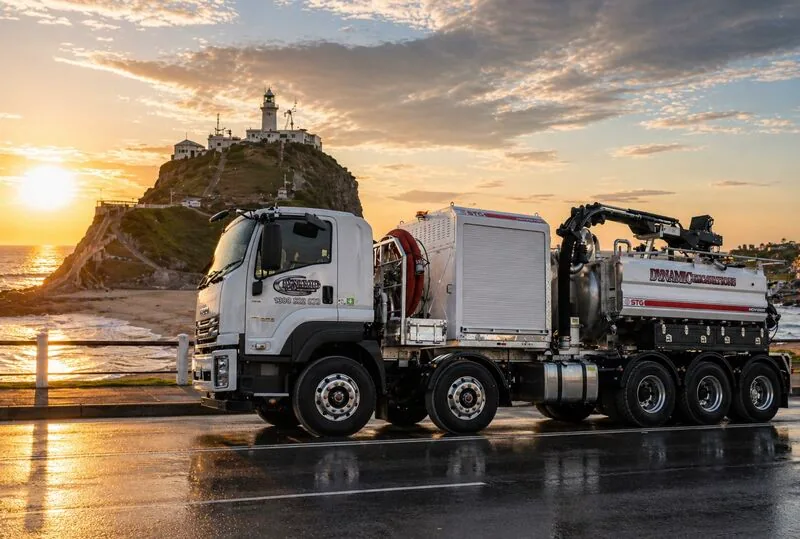
The truck is matched to the task, the access and the material. A standard vacuum excavation truck suits service exposure, short trenches and pits. A 10x4 unit carries more before it has to empty and suits sustained excavation where there is room to stand it. A hydro tanker is the better tool when most of what needs moving is liquid.
Useful details for the booking are the distance from where the truck can park to the working position, any overhead lines or height limits, ground bearing along the access, and whether the material is dry spoil, wet slurry or sludge. Those decide the unit far more than the size of the hole.
Industrial vacuum loading
On industrial sites the same trucks recover sludge, slurry, sediment and spilled material from sumps, pits, bunds and drains, working to the site’s own permits and inductions. Suction keeps people out of the pit or sump for as much of the task as possible.
Where the material needs a particular disposal route, tell us what it is at enquiry. Disposal is confirmed as part of the quote rather than sorted out once the tank is full.
Across the Hunter from one base
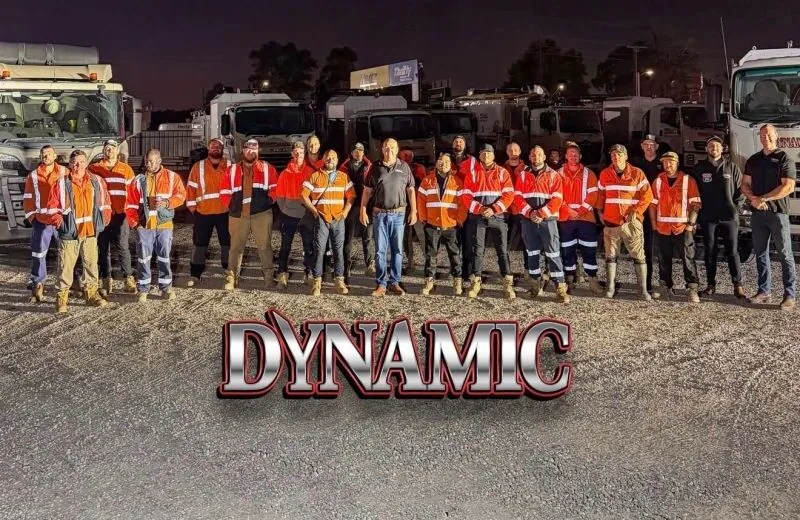
From Newcastle, units reach Maitland, Cessnock, Lake Macquarie, Port Stephens and the Central Coast without the fixed travel cost of a truck coming up the motorway. That matters most for short-notice and after-hours work, such as a failed drain or a suspected strike that has to be exposed before a repair crew can start.
For urgent work call 1300 822 878 and the team will confirm the nearest available unit. Planned work is best booked with the site details, so the right truck is allocated rather than whichever one is free.