Booking the right configuration
Truck selection is rarely about the biggest tank. On Sydney jobs it usually comes down to the width of the access, headroom over the working position, how far the truck can stand from the excavation and where spoil and water can legally be taken afterwards.
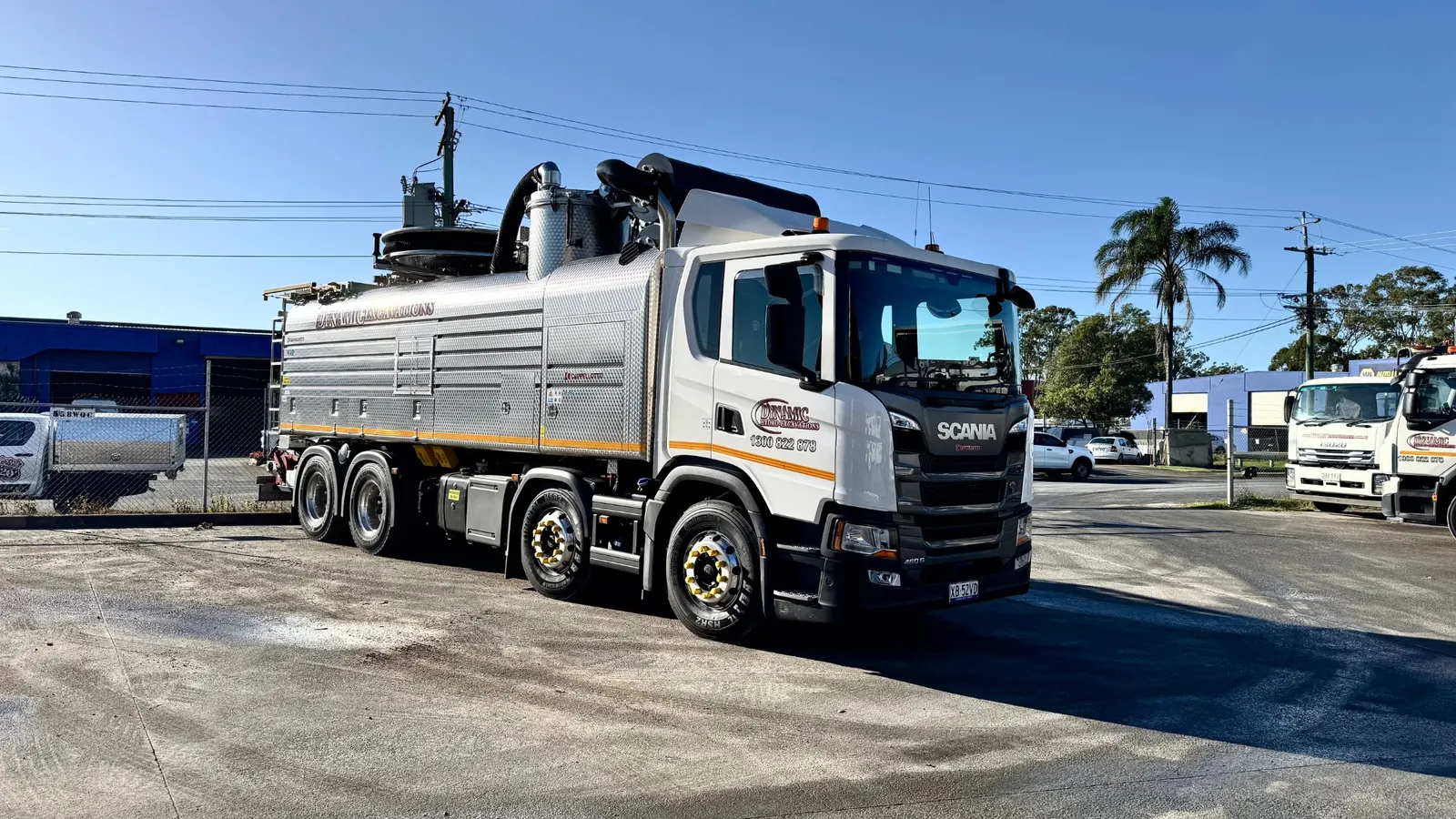
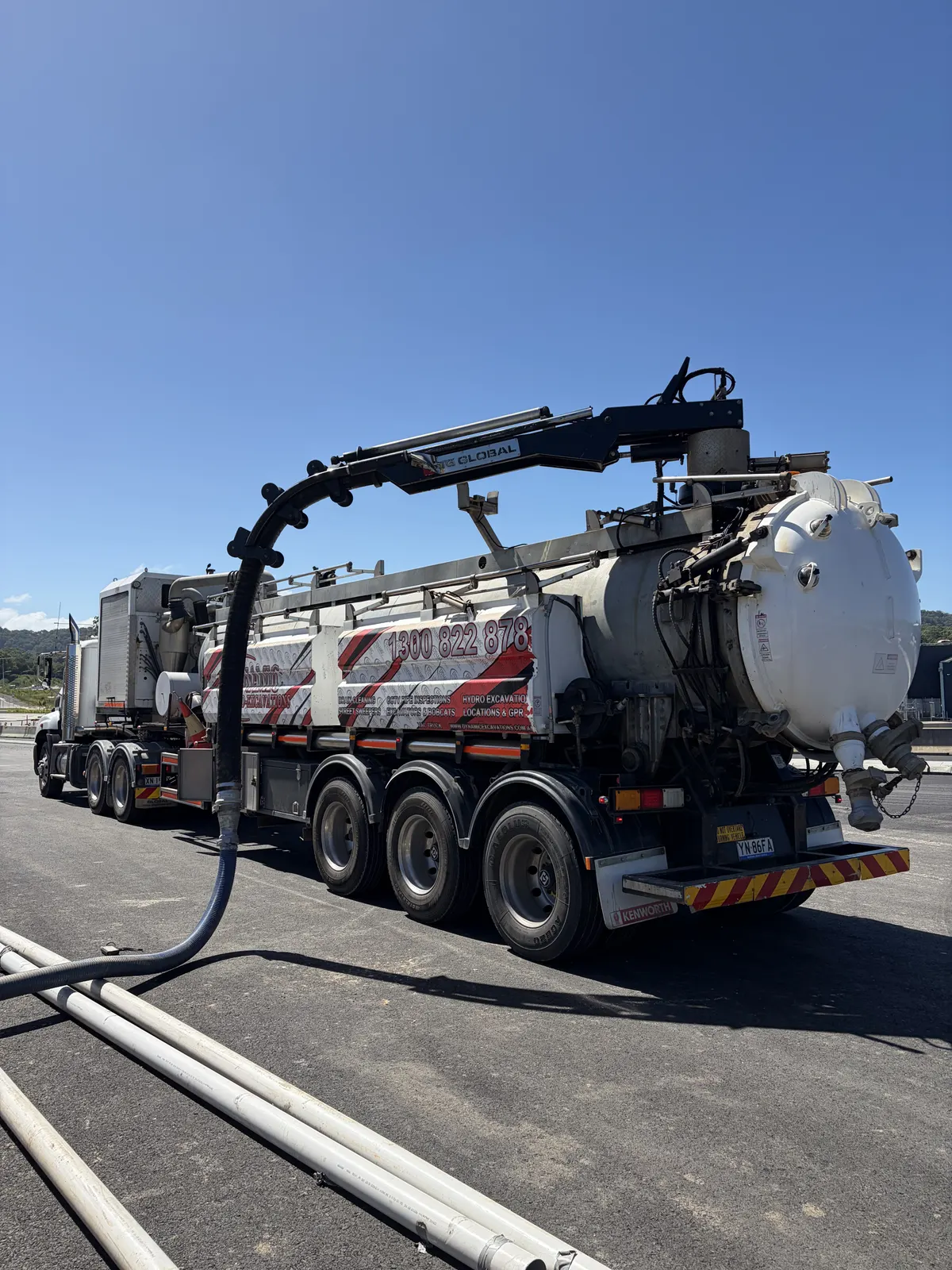
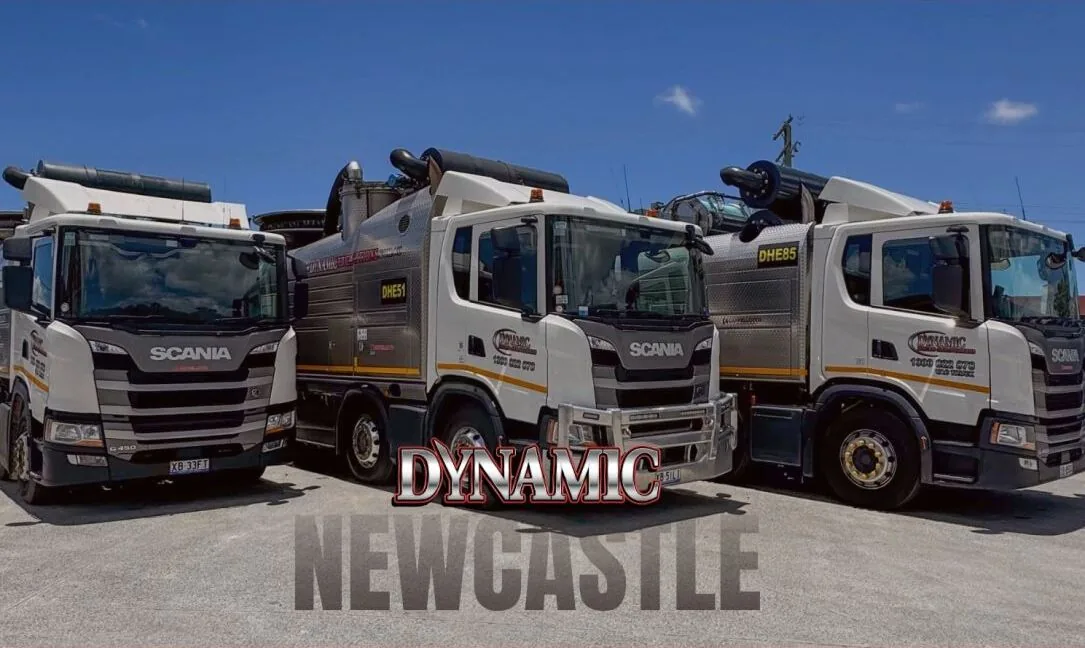
A compact configuration suits a basement car park or a nature strip hemmed in by parked cars. A 10x4 vacuum truck suits volume work where access allows. Where the load is mostly liquid, a hydro tanker is the more efficient choice. Tell us the site constraints and the team will match the unit.
Shifts, possessions and night work
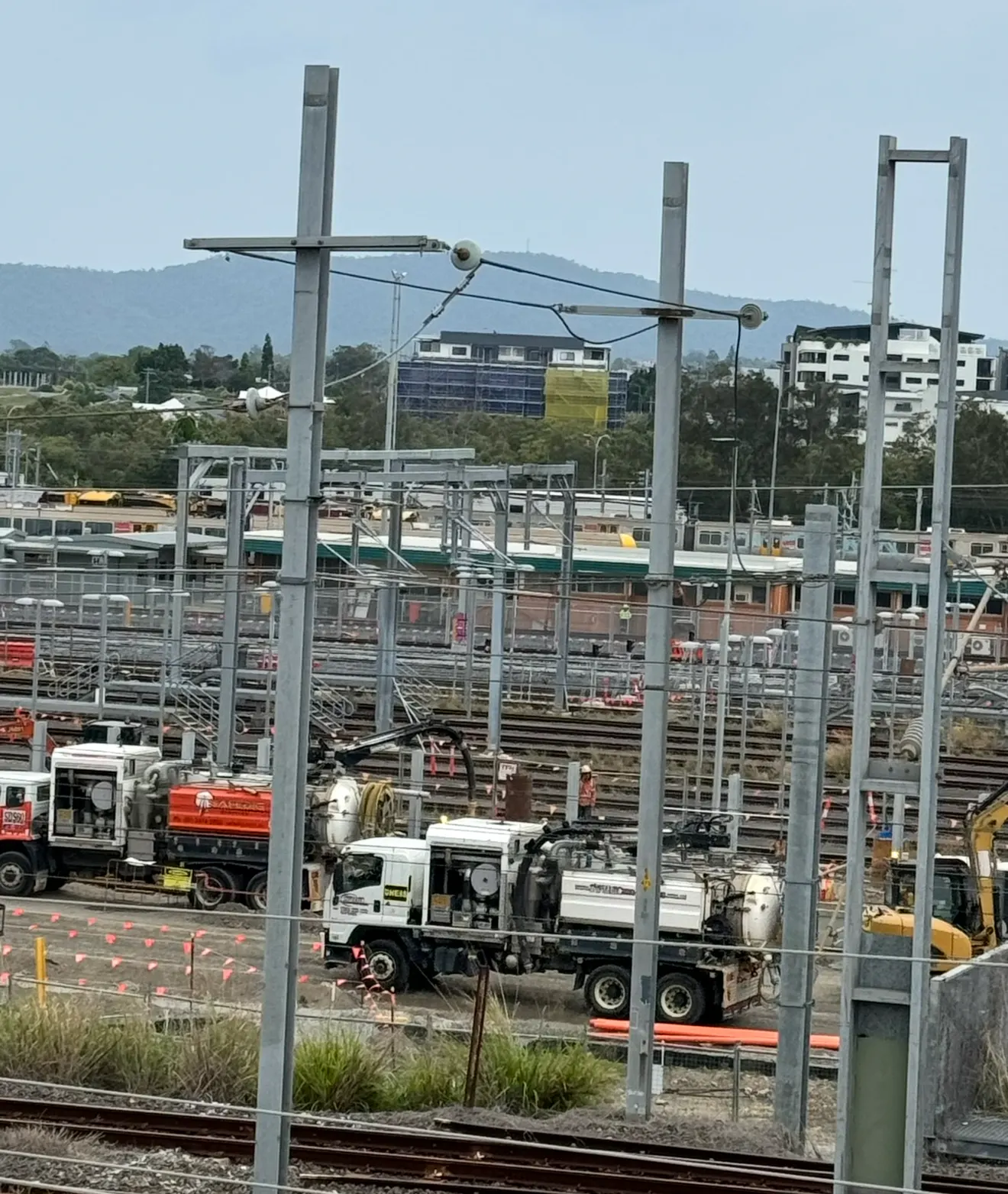
Plenty of Sydney vac truck work happens outside normal hours: overnight on arterial roads, at weekends in the CBD and inside rail possessions where the corridor has to be handed back on time.
For those bookings, the length of the window, the start time and who holds the permit and traffic management are the first details the team needs. They decide how many units are sent and whether a tanker should run alongside so the excavation truck never has to stop and empty.
Longer programmes and concurrent sites
Extra trucks change availability more than capability. The Sydney team already covered the full service range. More units shorten the gap between an enquiry and a truck arriving, and make it easier to keep plant on a staged programme without pulling crews from other commitments.
Contractors running work across several western Sydney sites at once can book multiple units in the same week, and repeat work can be set up as a standing arrangement rather than quoted each time.
From locate to spoil removal
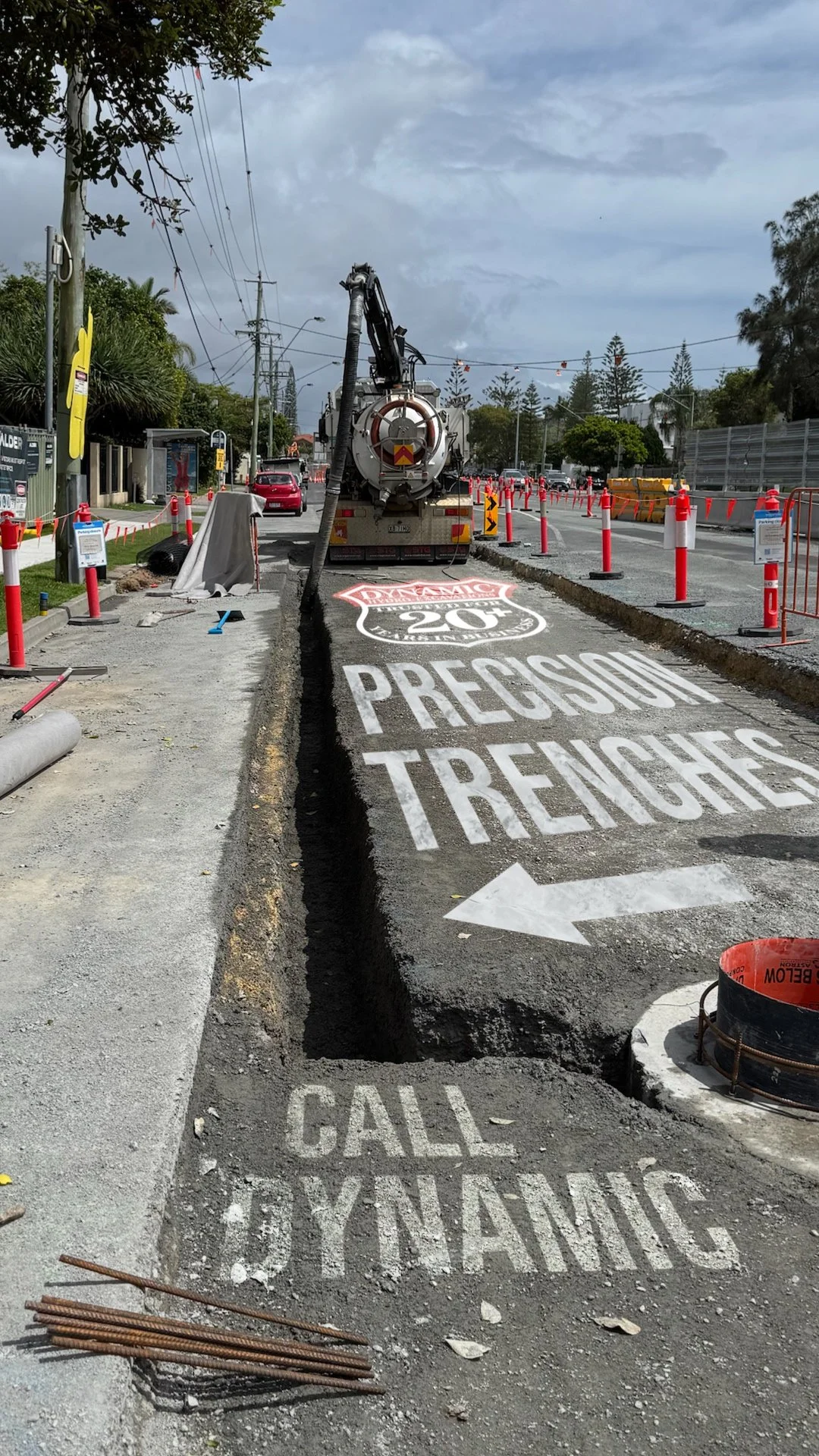
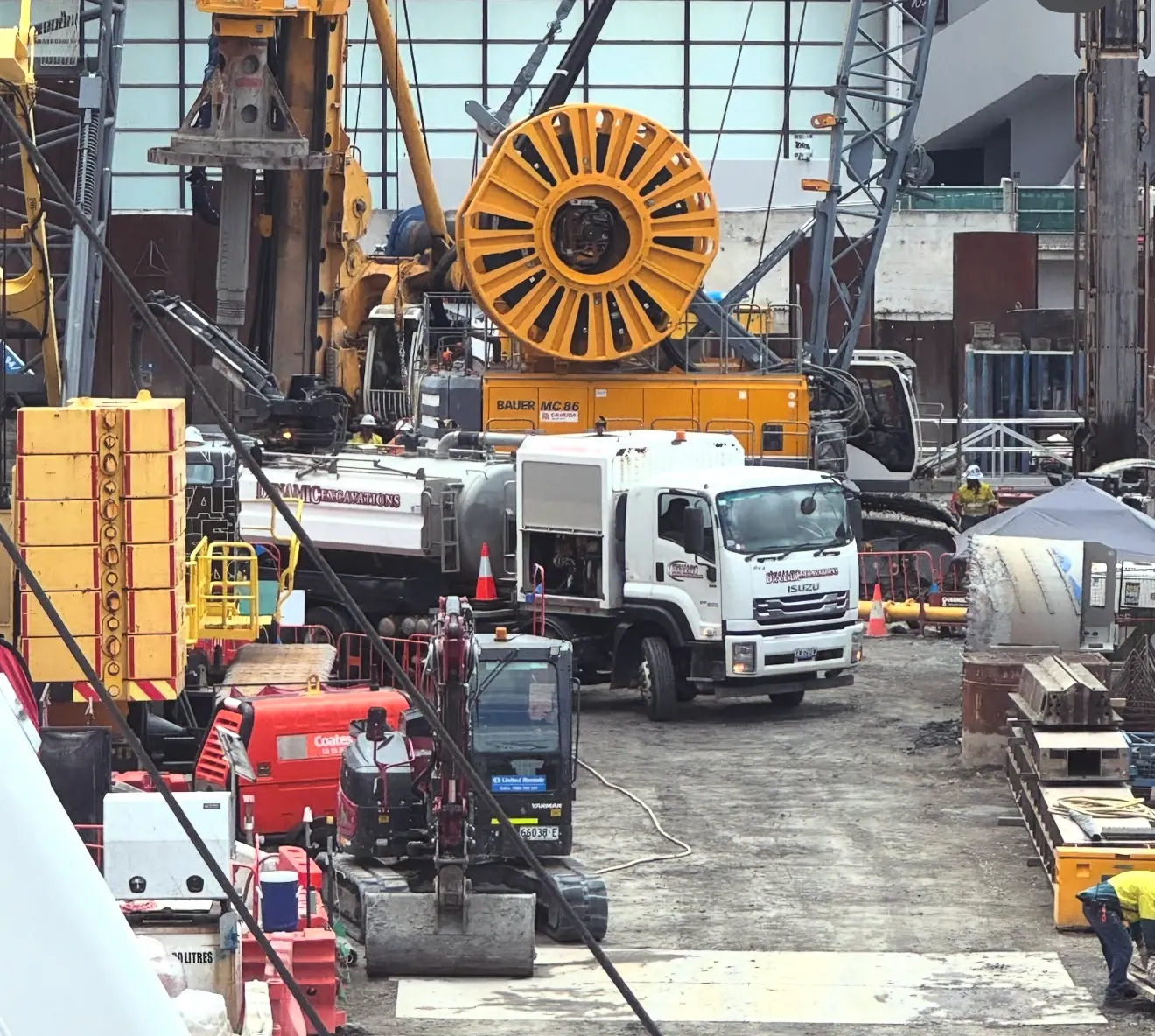
Most Sydney jobs need more than a hole. Vacuum loading, hydro tankers for liquid waste, excavators, tip trucks and underground service locating are regularly bundled into the same scope, so one supplier carries the sequence and there are fewer handovers where a delay in one step pushes out the next.