What to have ready when you book
A booking moves fastest when the team knows five things: the site address, the task, a rough volume, where the truck can stand in relation to the work, and whether the material has to leave site. For anything outside the city, add the access route and the nearest place a heavy vehicle can turn around.
Mention inductions, permits and site vehicle standards up front. Port, industrial and resource sites often set their own requirements, and mine-site specifications in particular are checked against the intended unit before it leaves Mount Louisa, not at the gate.
Matching the unit to the job
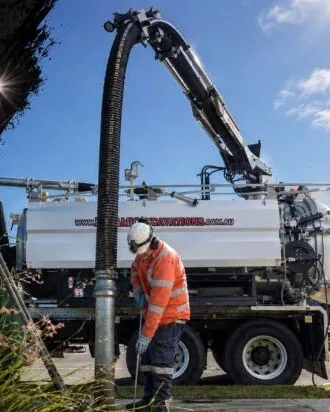
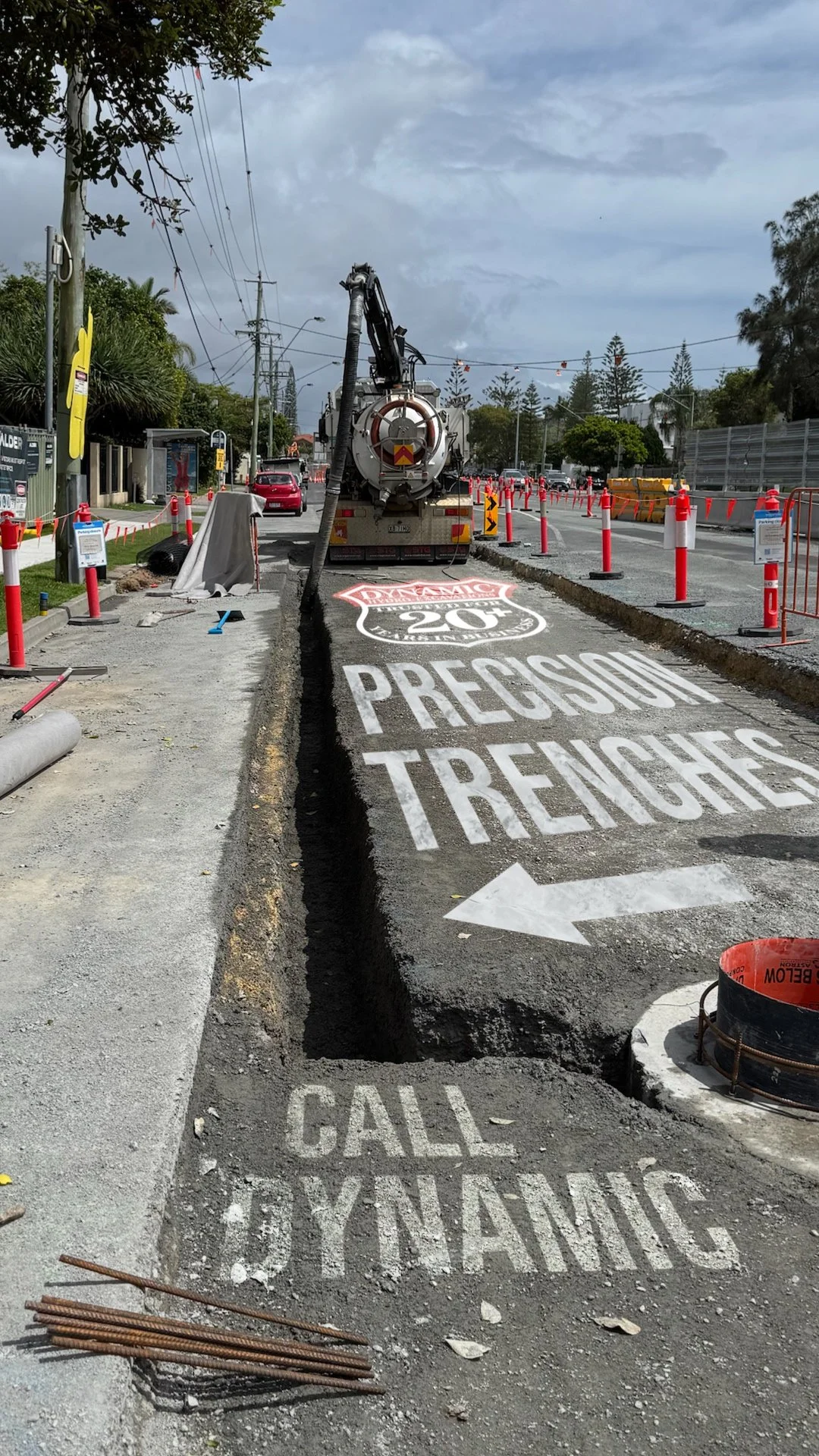
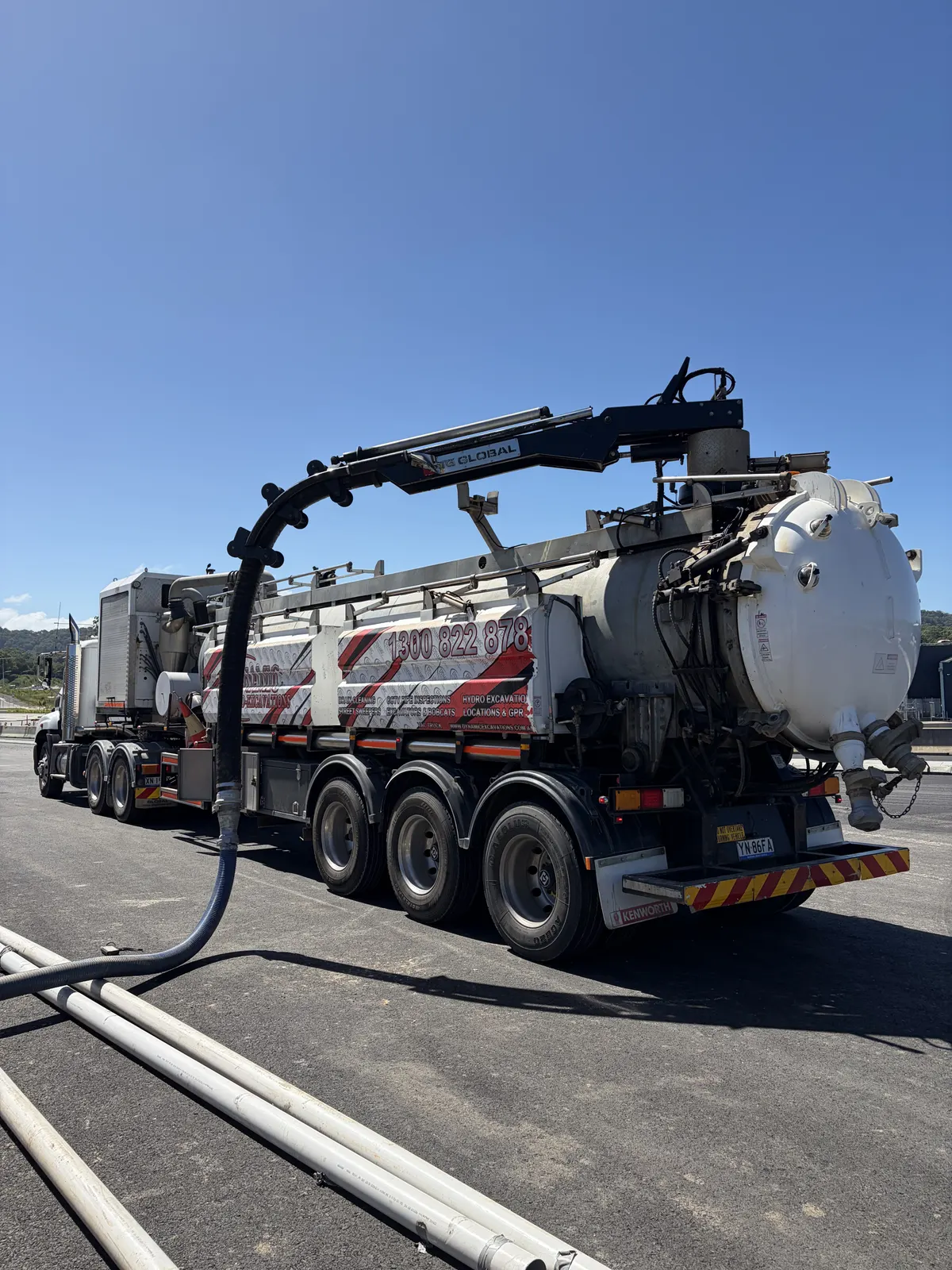
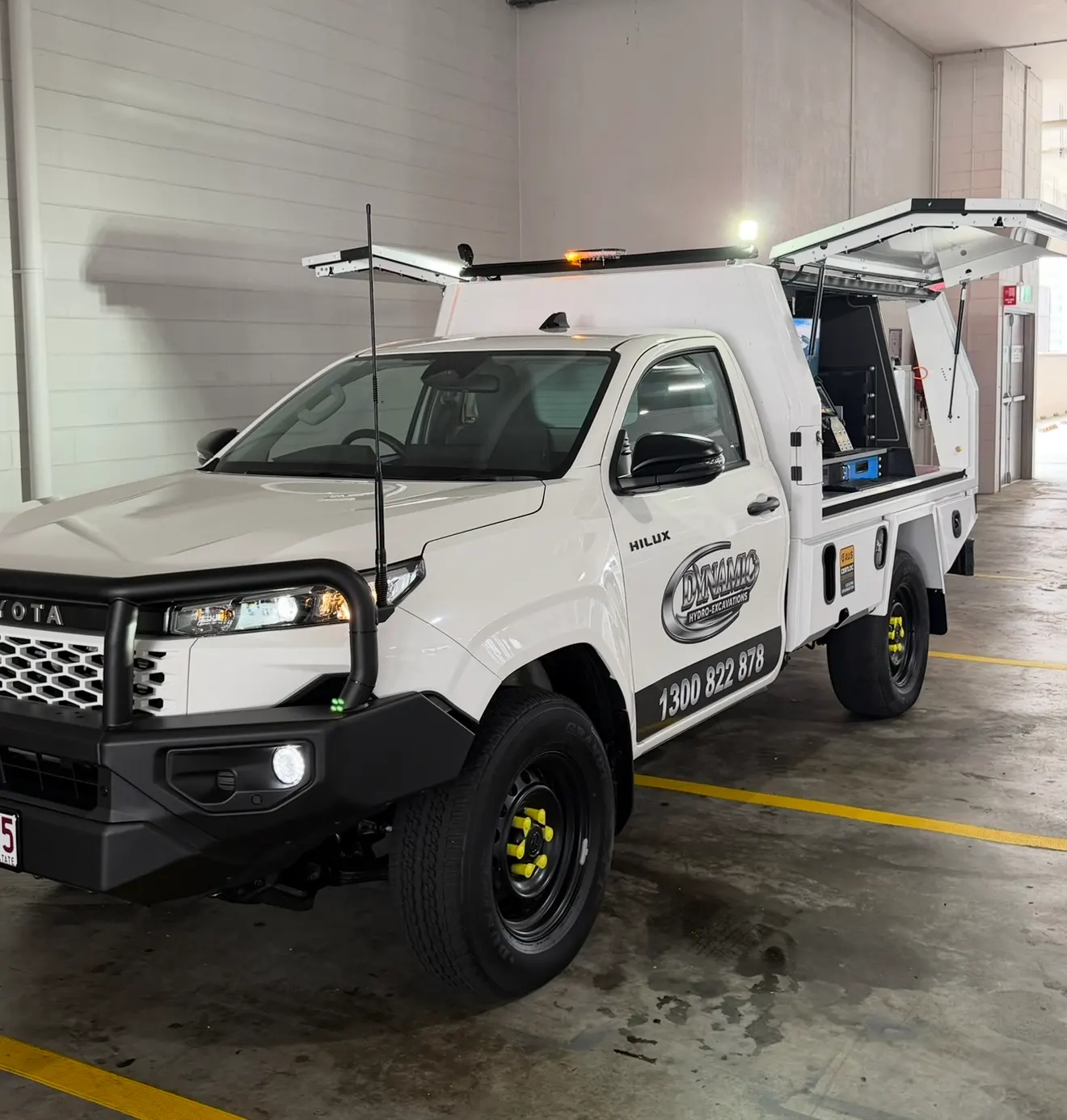
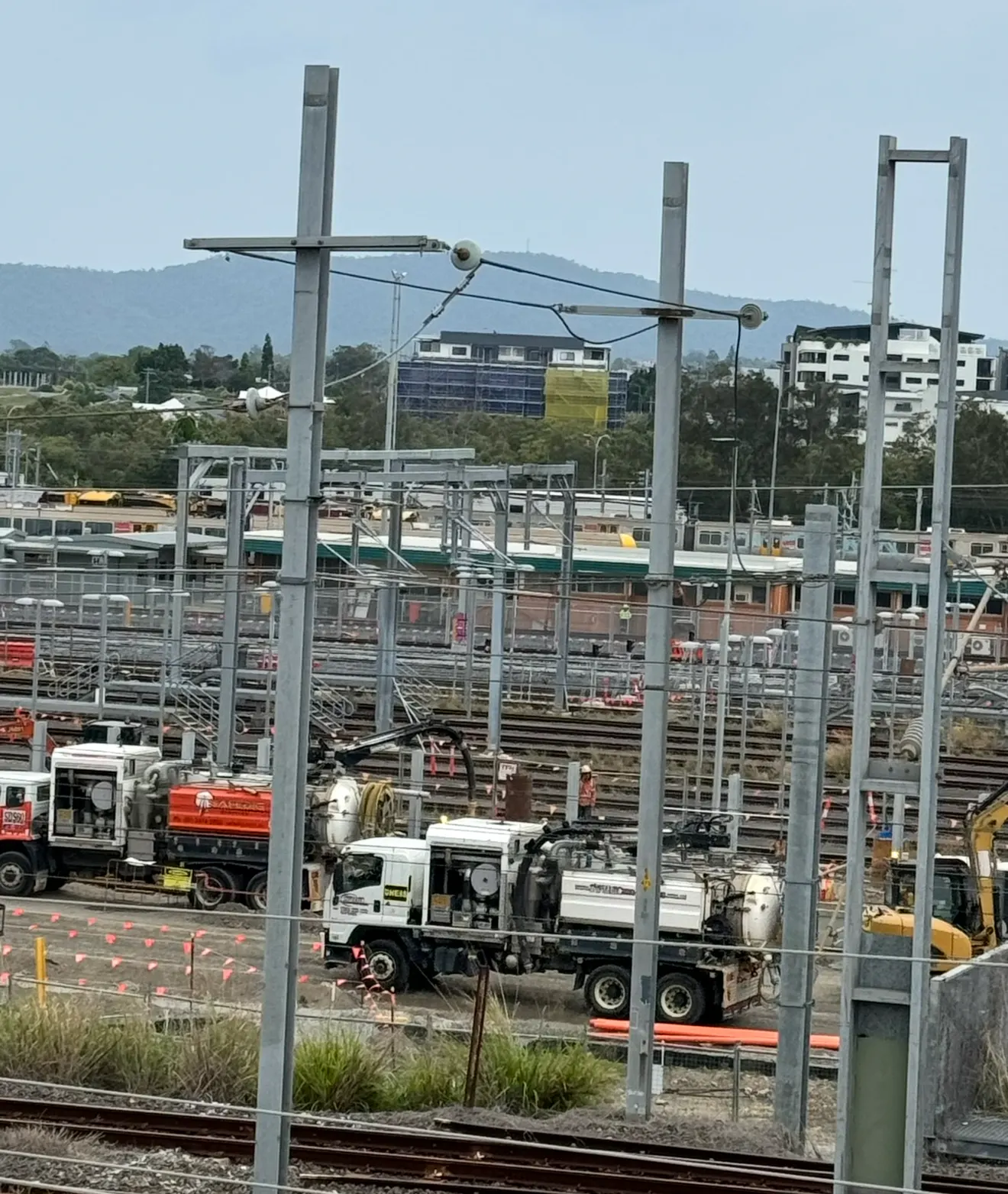
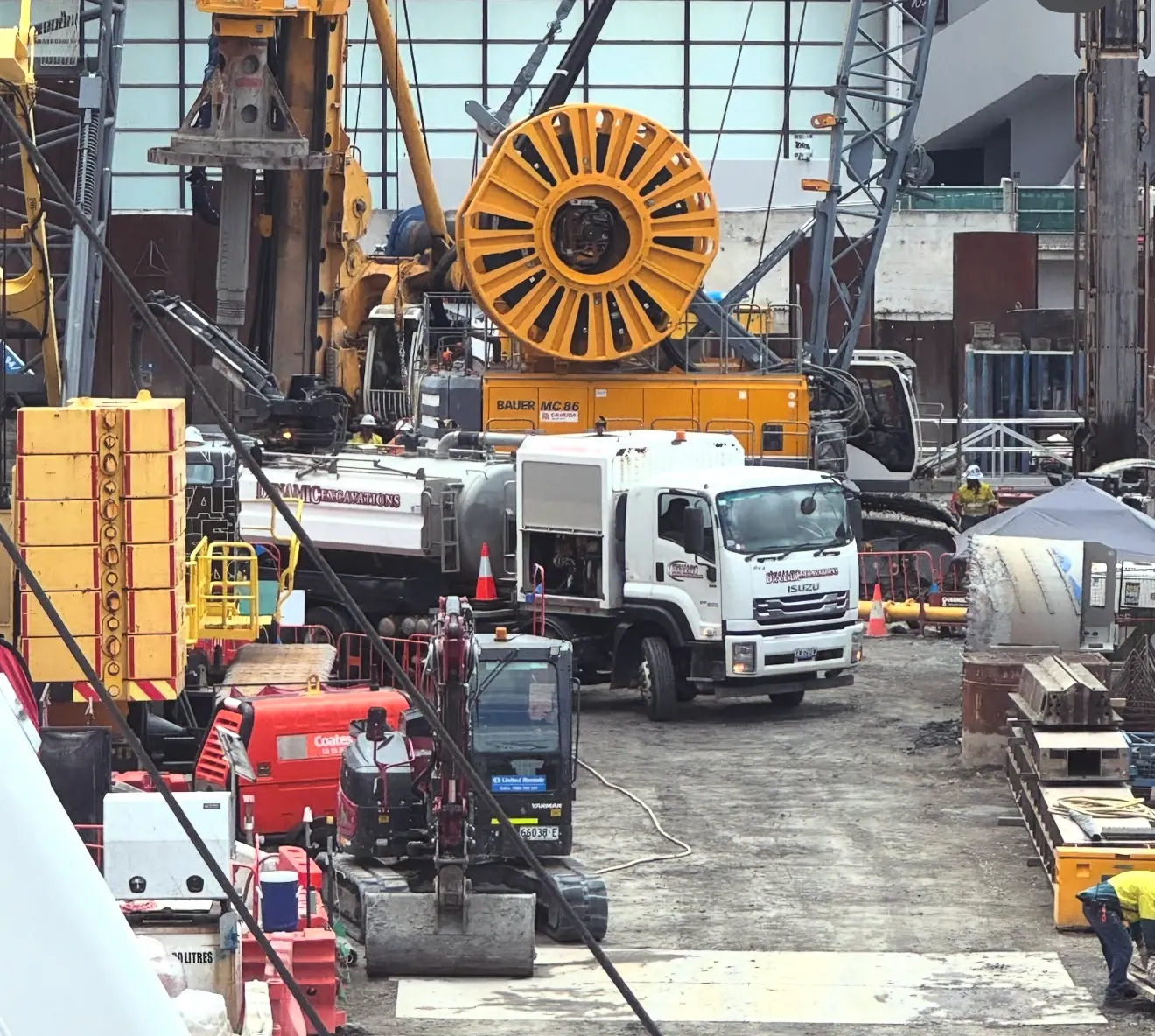
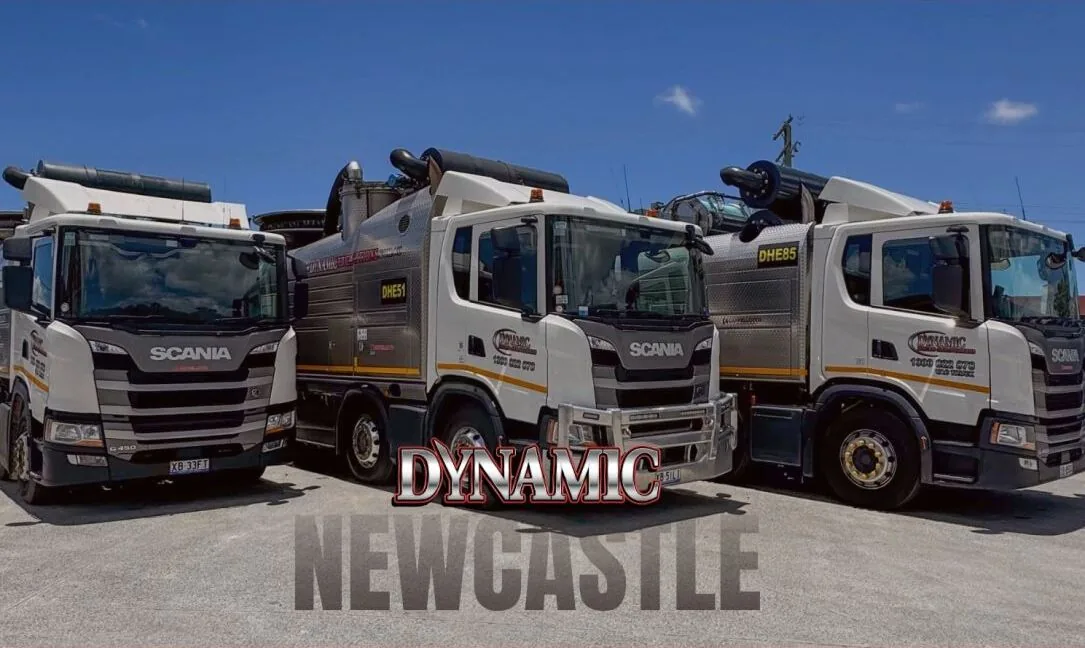
A standard vacuum excavation truck covers most potholes, pits and short trenches, and is the easiest to position in a street or a tight industrial yard. A 10x4 vacuum truck carries more spoil before it has to empty, which suits longer trenches and wet sites where a smaller tank would send the crew to tip too often.
When the load is mostly liquid, such as a flooded excavation, a full sump or a pit of water and silt, a hydro tanker is usually the better tool. The fleet includes a 16,000-litre tanker capability, and whether a tanker of that size can be committed to a North Queensland job is confirmed at enquiry. Sites off the sealed network call for a 4x4 unit, covered below.
Wet season drain and pit recovery
The drainage calendar here is set by the wet season and the chance of a cyclone. Through the dry, silt, sand and debris settle in pits, gullies, culverts and stormwater lines. Recovering that material before the rain, with vac trucks and combination units, is what gives the network its capacity back when it is needed.
After a heavy event the work turns to recovery: pits packed with sediment, culvert inlets choked with debris and excavations standing full of water. That material has to be lifted out rather than flushed further down the system. Demand for trucks across the region lands in the same few weeks, so pre-season work is worth locking in while the programme is still flexible.
Remote sites and several sites in one run
Plenty of North Queensland work sits off the sealed network, on easements, pipeline corridors, rural utility assets and resource-sector sites. 4x4 vacuum units reach those places, but they carry a smaller tank and less water than the largest road trucks, so the efficient plan is sometimes a 4x4 at the face with a larger unit or tanker staged at the nearest sealed access.
Distance is the other cost. A truck sent from Mount Louisa to Charters Towers or Bowen for a single pothole spends most of its day on the highway. Where jobs in Ayr, Ingham or inland can be grouped into one mobilisation, the travel is shared and the cost per site drops, so send the full list of sites at enquiry rather than booking them one at a time.