Proving services before the design is fixed
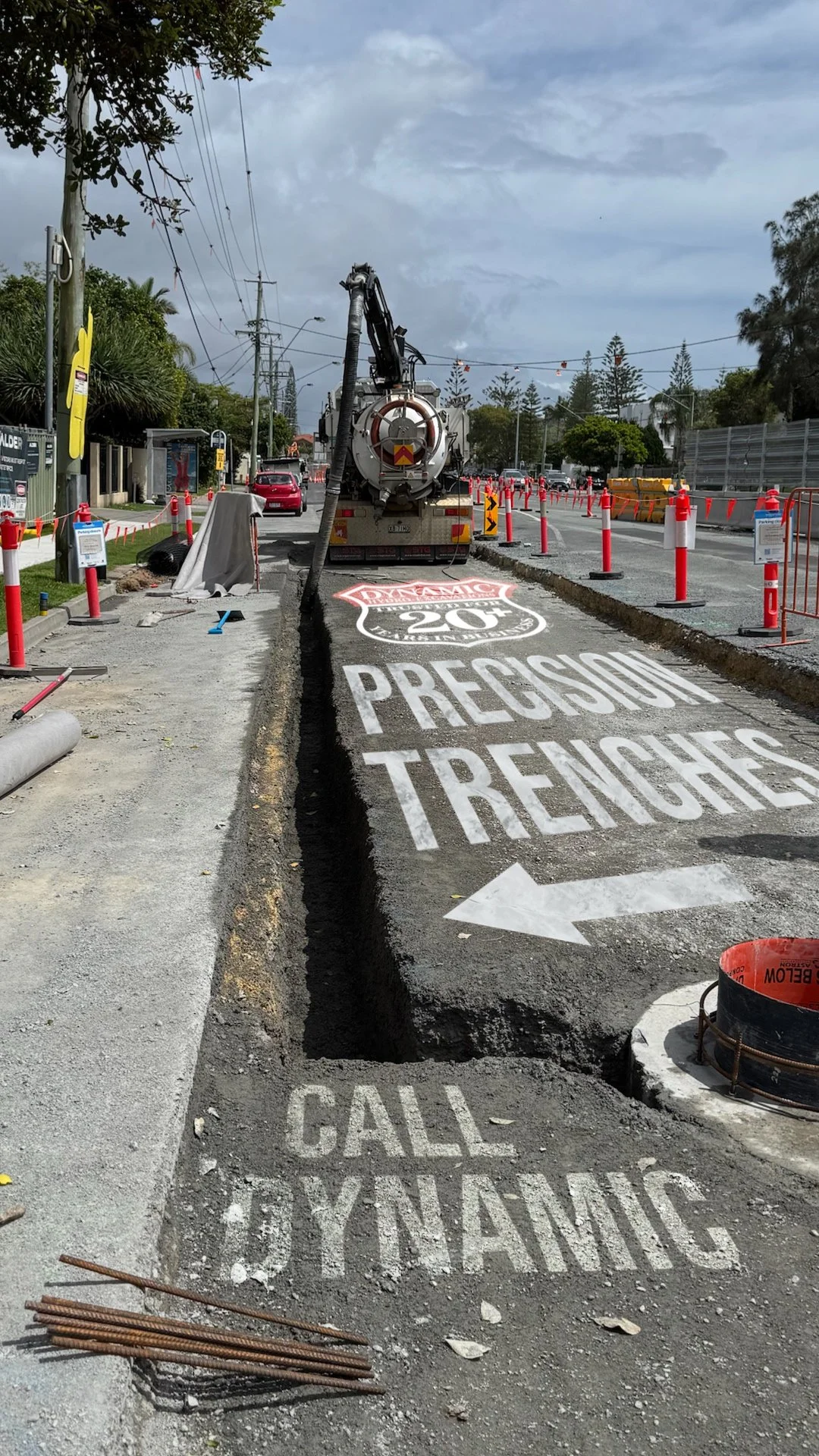
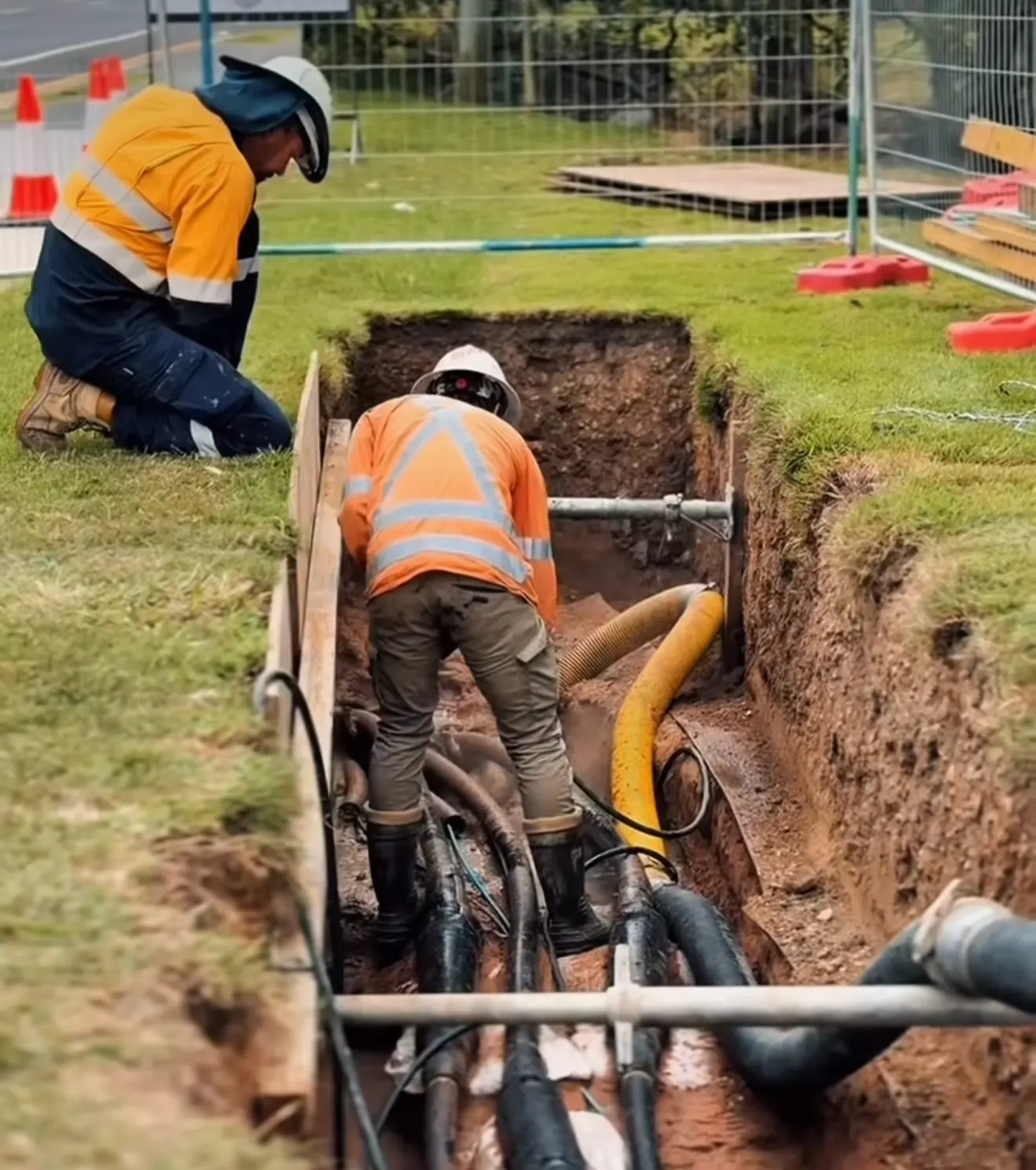
The costly surprise on a civil job is the service found during construction that nobody allowed for at design. A hydro excavated pothole, surveyed early, turns an assumed position on a utility plan into a measured one: asset type, depth, alignment and cover.
On road, drainage and utility packages that usually means a set of potholes along a corridor rather than a single hole, planned as a sequence so the surveyor can pick up each exposure while it is open. Underground service locating through LADS, part of the Dynamic Group, can run ahead of the excavation crew so every hole is set out on a located mark.
Exclusion zones in port and industrial precincts
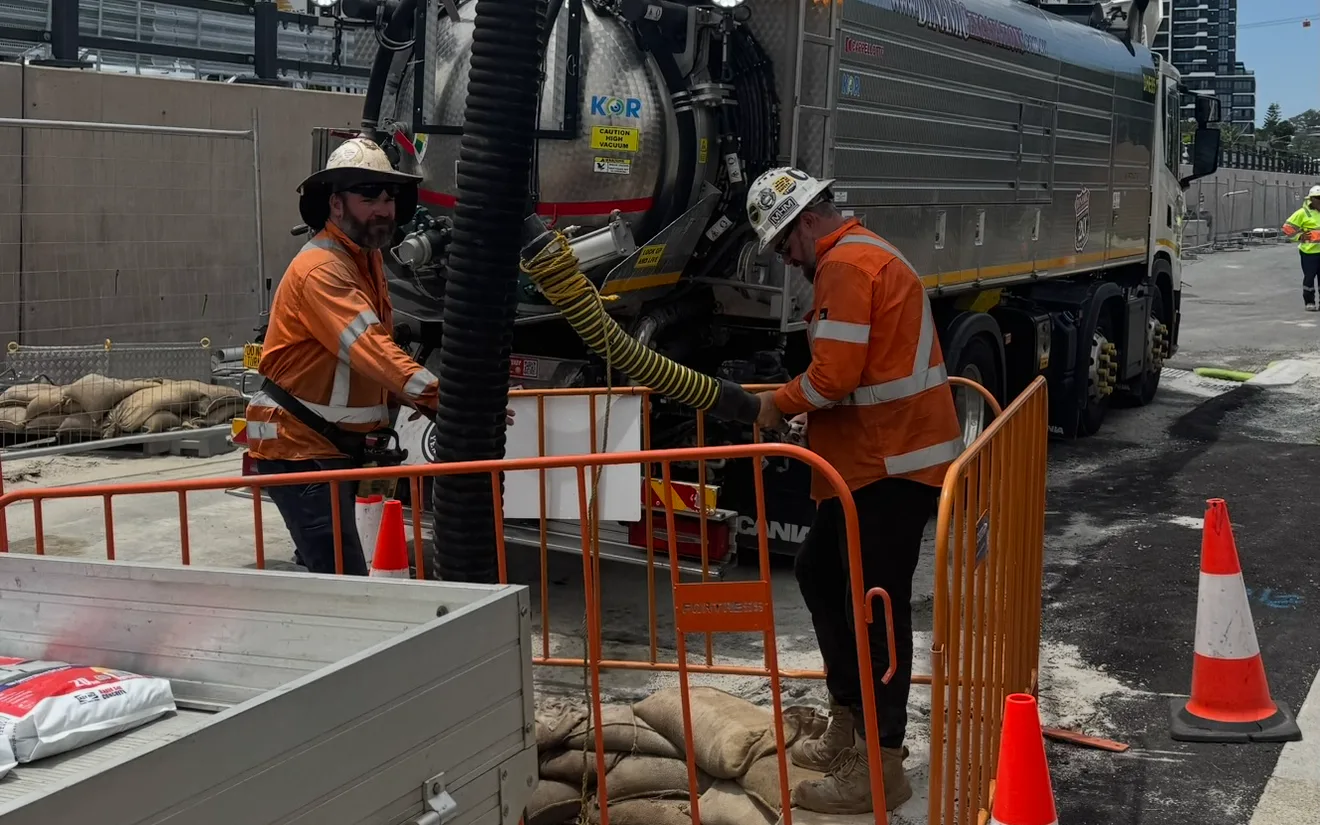
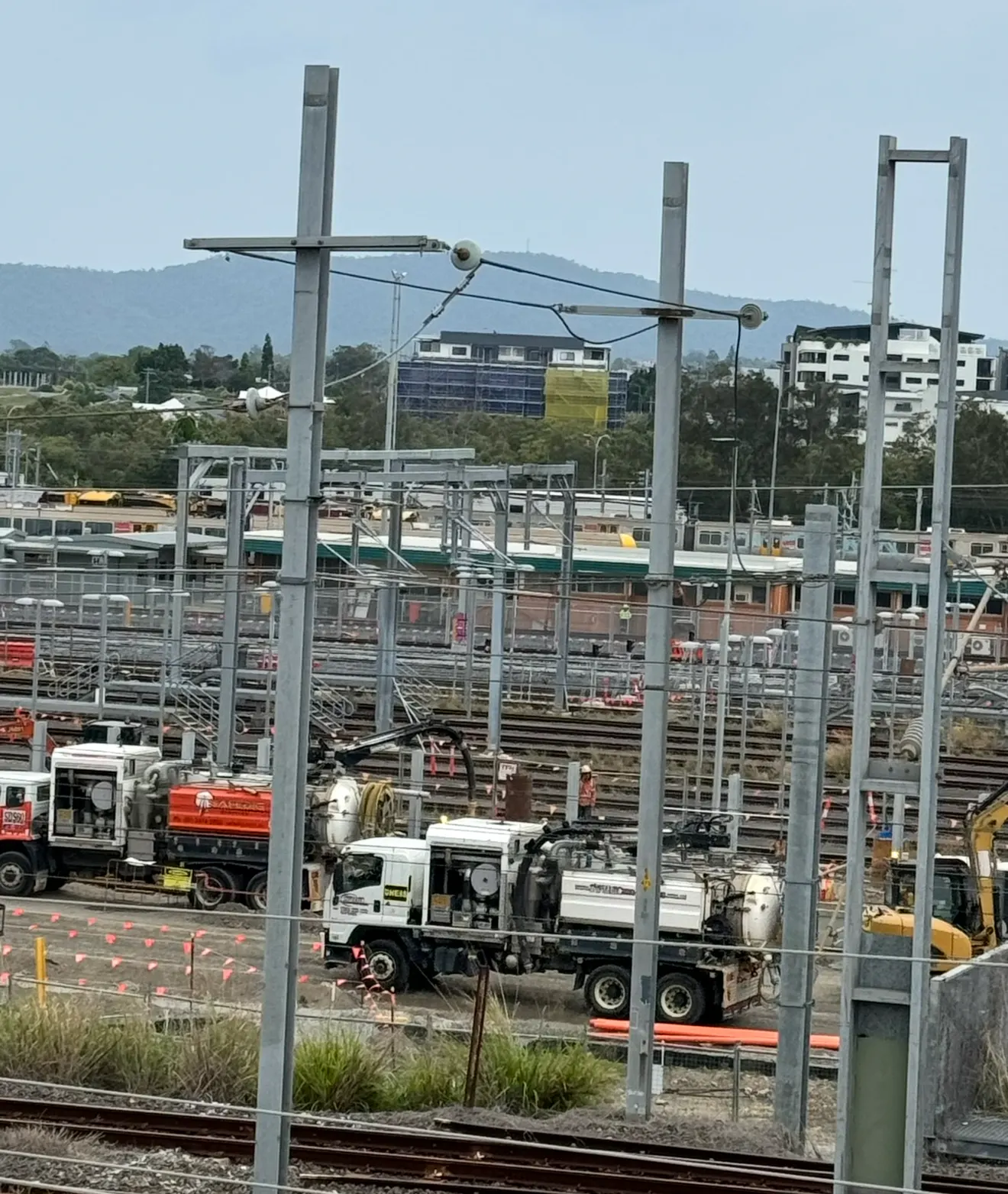
Inside the port and industrial precincts, the site decides how excavation happens. Energised cables, pressurised lines and live process plant sit behind permits and exclusion zones, and many operators will not allow a bucket near their assets. Non-destructive digging is often the only method they will sign off.
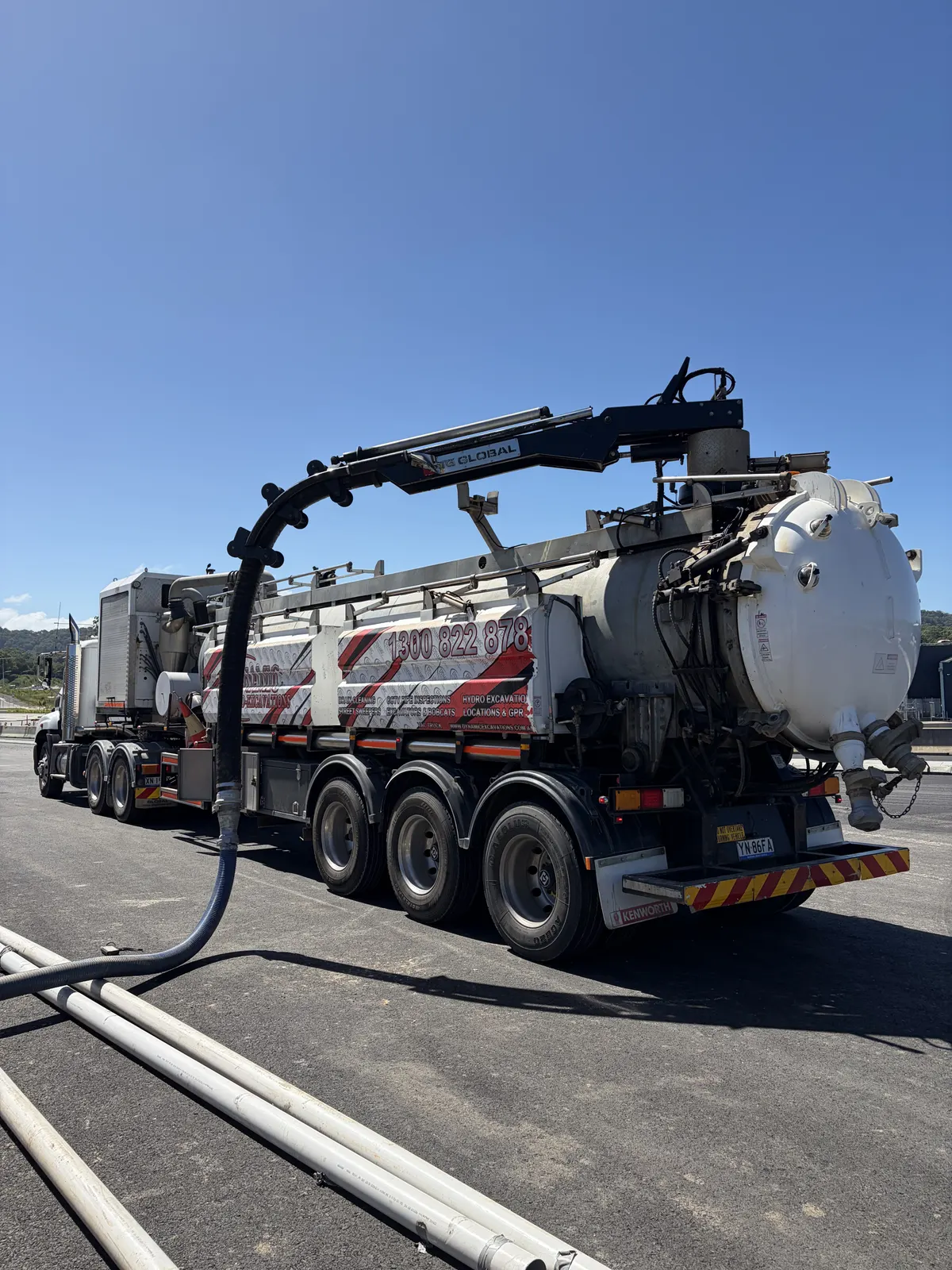
Hydro excavation fits that environment because the setup is compact and the spoil goes straight into the tank, leaving nothing stockpiled in an operating area. Work hours, isolations, permits to dig and inductions are set by the asset owner, so they are settled during scoping and the crew arrives ready to start rather than to be briefed.
Water or air on a Townsville site
Water is the default because it cuts compacted and cohesive ground efficiently, and it remains the faster method for most potholing and trenching. Units carry cold and hot water capability for different ground, and the likely rate of progress on a given site is set at scoping rather than promised in advance.
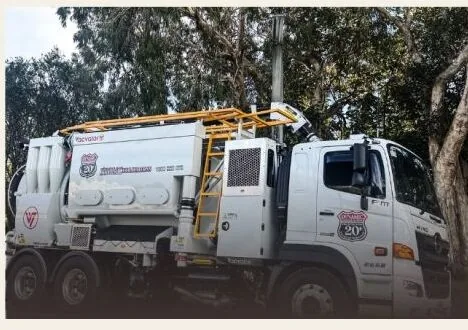
Dynamic’s rollout of Vacvator air excavation units reaches Townsville. Air keeps the hole and the spoil dry, which helps where water could destabilise ground beside a footing, where slurry would be a containment problem in a substation yard or finished area, or where the spoil is wanted back as backfill. Whether air, water or both suit the site, and whether an air unit is free for your dates, is confirmed when the job is scoped.
Resource-sector and inland work
Resource-sector clients and projects inland toward Charters Towers bring their own conditions: prequalification, site vehicle specifications, inductions and longer travel. Those requirements are checked against the unit and crew before mobilisation, and current accreditation details can be provided on request for prequalification.
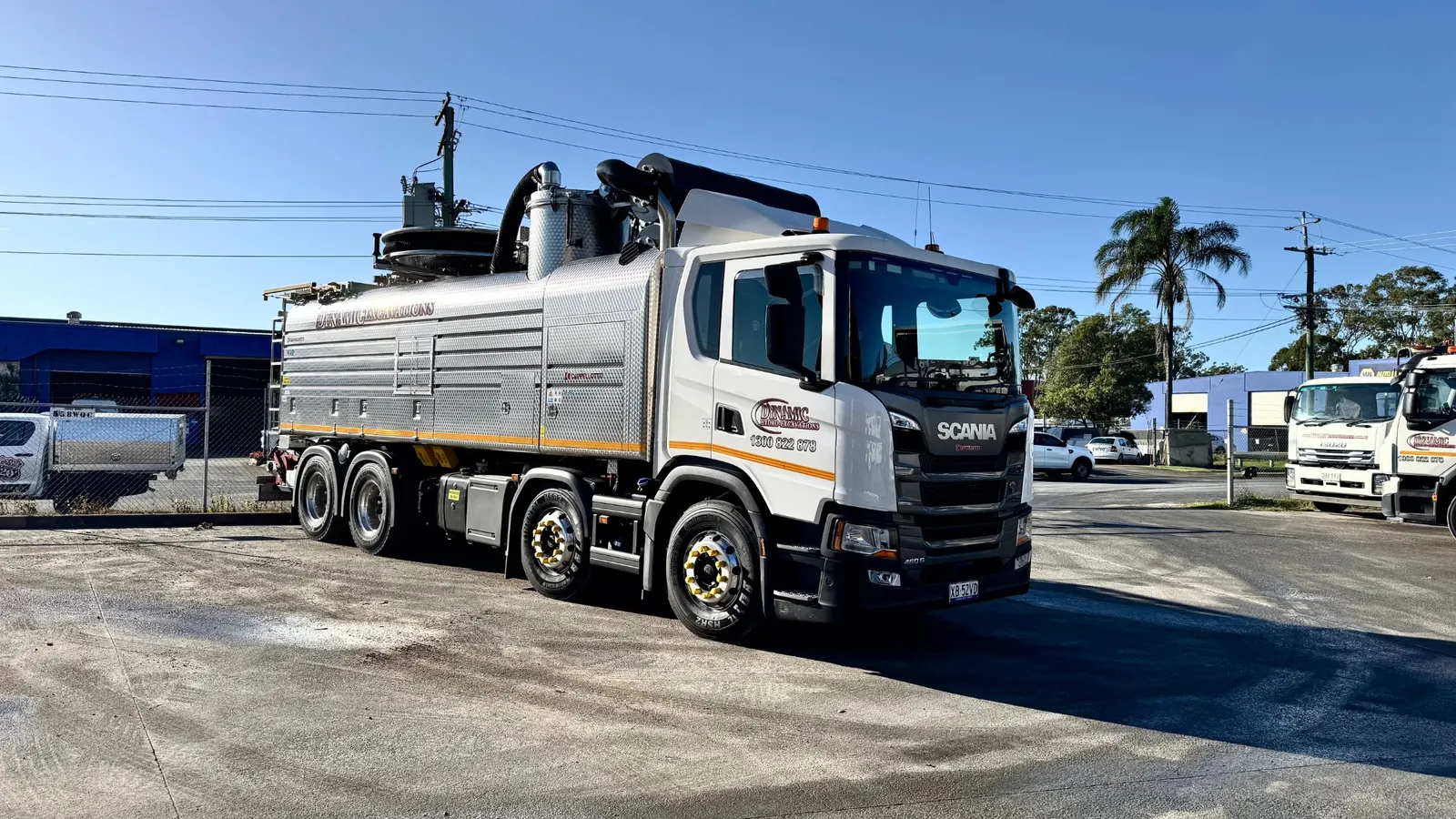
Where an excavation produces more slurry than one truck should haul a long way to disposal, a 10x4 vacuum truck or a hydro tanker can work alongside. Excavators, bobcats and tip trucks are available with operators when bulk material has to come out once the services are exposed and marked.