Re-used industrial land and what the plans leave out
A lot of current Newcastle and lower Hunter development is going in on ground that has carried industry, rail sidings or earlier works for generations. The buried record on those sites is often patchy. Services were abandoned in place rather than removed, some were rerouted without the drawings catching up, and older assets were laid before anyone recorded them consistently.
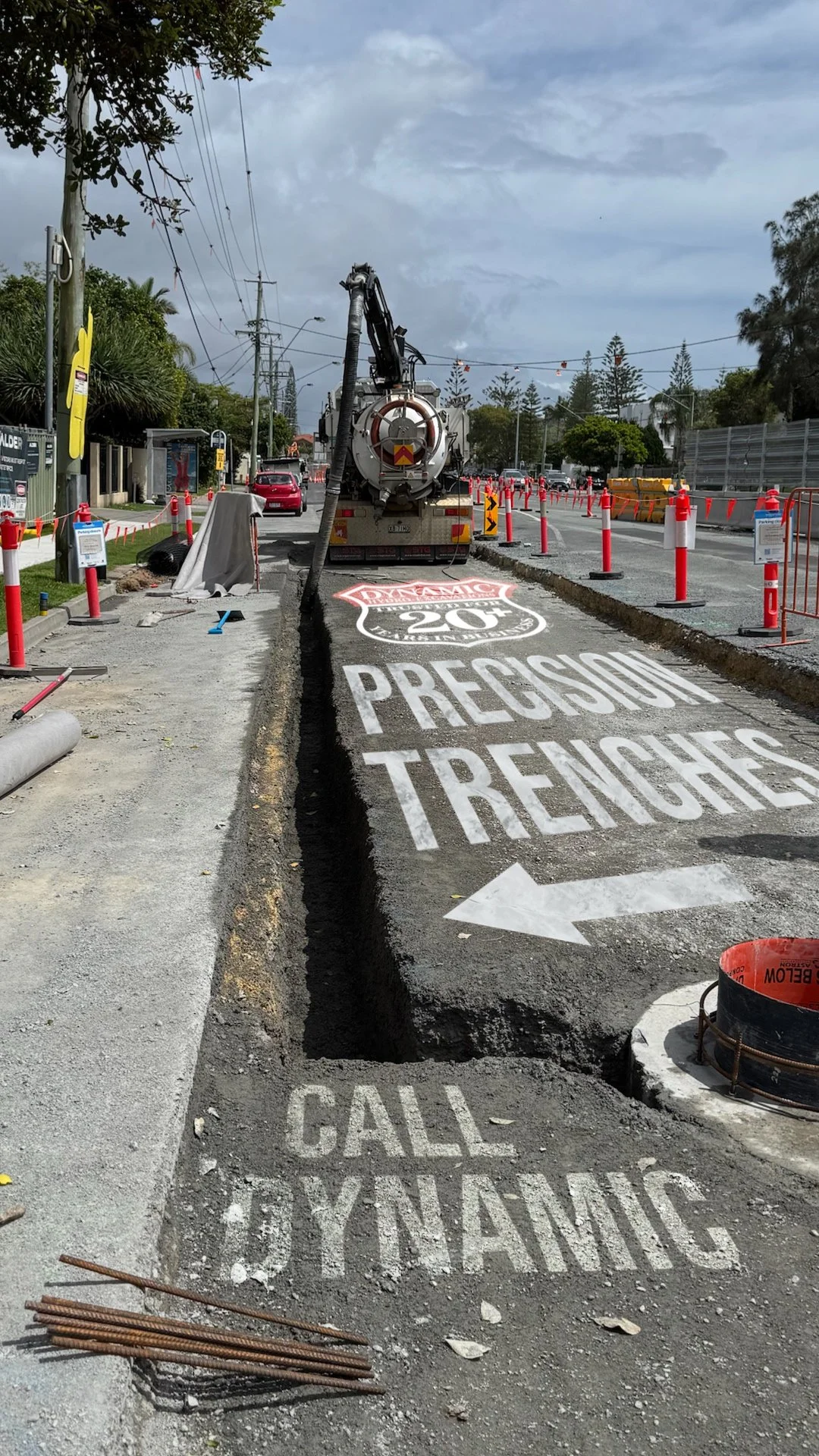
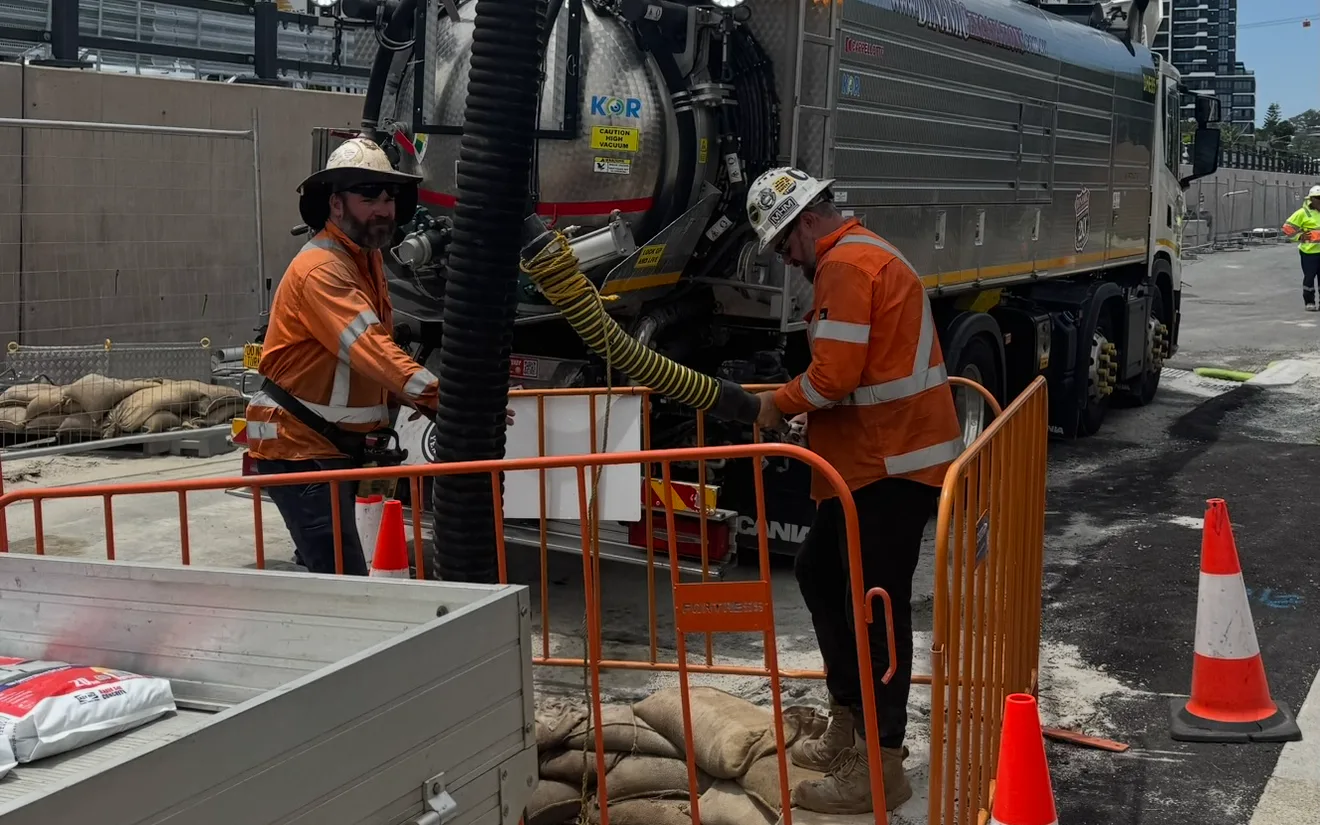
On that kind of site a plan is a lead, not an answer. Hydro excavation lets the operator take the ground down in stages and stop the moment something unexpected shows up, whether it is live, redundant or unidentified. The asset owner or site engineer can then decide what it is before anyone digs further.
Working near rail, energy and port assets
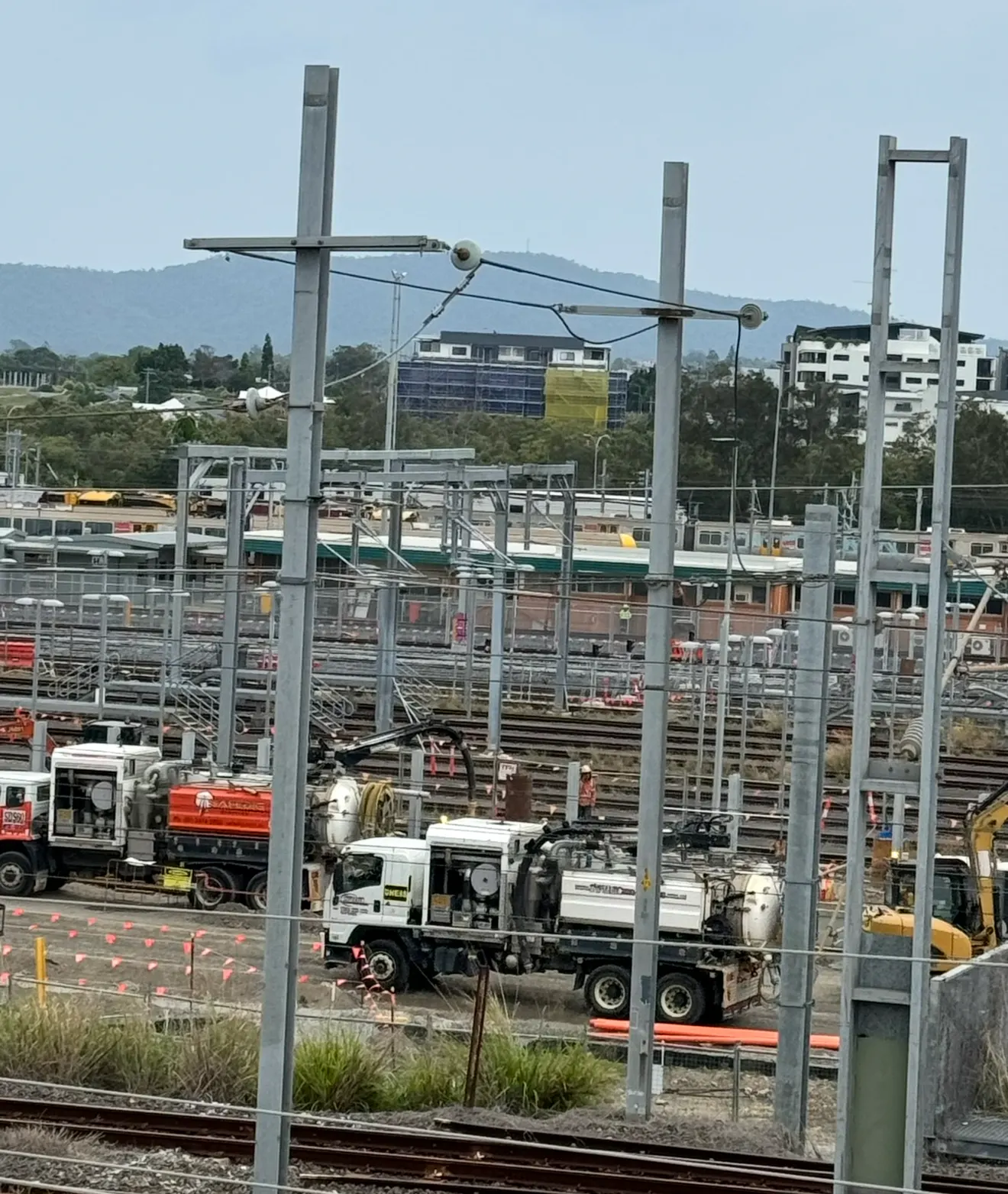
Rail, energy and port infrastructure across the Hunter stays in operation while work goes on around it. Access usually comes as an approved possession or a shutdown window, the asset owner sets the exclusion distances, and a machine bucket is often ruled out entirely near the live asset.
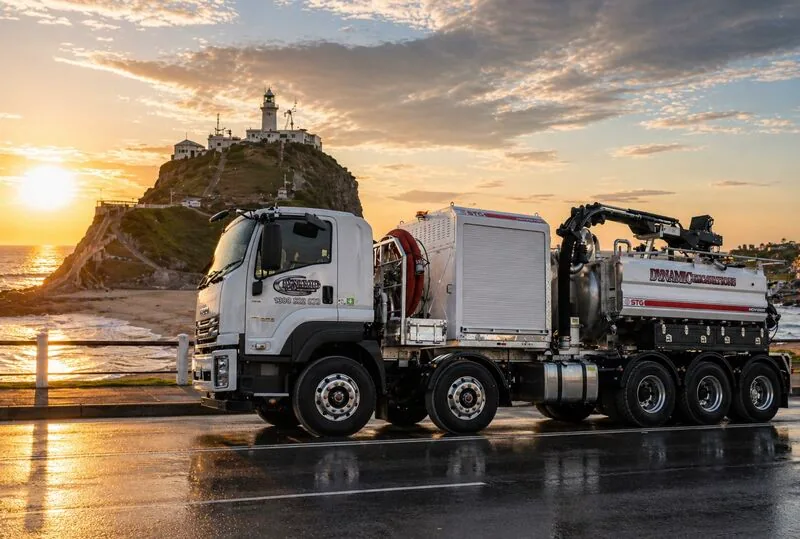
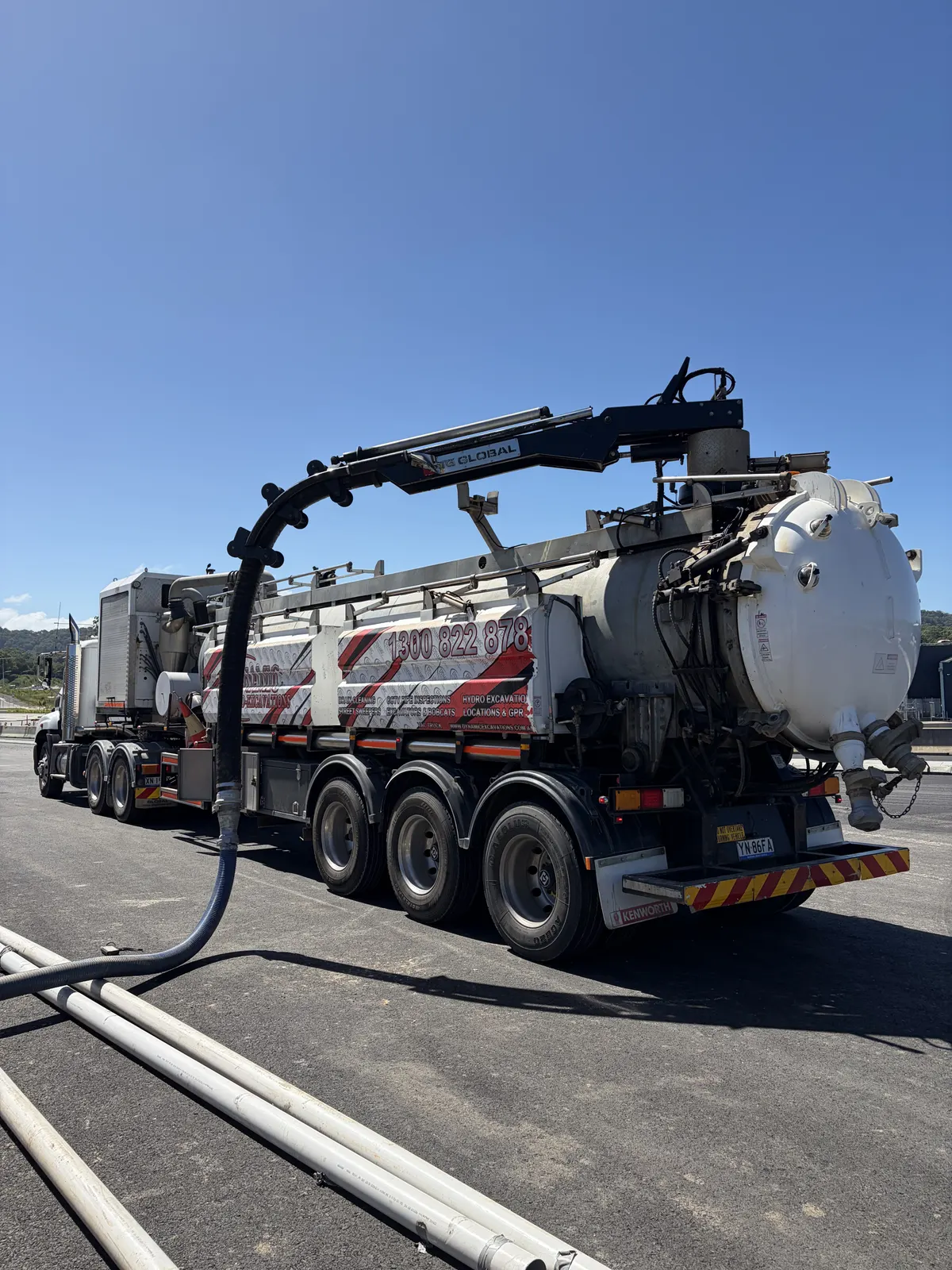
A hydrovac suits that setting because the truck can stand back and work in by hose, nothing needs swing room, and the spoil goes into the tank rather than onto a corridor that has to be handed back clear. Tell us the window length and who holds the permit when you enquire, so the crew arrives able to finish inside it.
Potholing before the design is locked in
The cheapest point to find a clash is before the drawings are issued. Design-stage potholing exposes each service at the points where a new alignment, pile or footing will cross it, so a surveyor can pick up the real depth and position and the engineer designs around that rather than around an assumed offset.
In the Hunter this matters most where new residential and industrial development meets older road, water, energy and telecommunications networks. A potholing programme can be staged across several sites, and the number of units is set by how many locations need proving and how quickly the design team needs the results.
Locate, expose and inspect from one depot
Underground service locating is available through the Dynamic Group, so the same point of contact can arrange the locate, the hydro excavation that proves it and, where drainage or conduit is involved, a CCTV inspection once the line is exposed. Fewer handovers means fewer gaps where one step waits on another supplier.
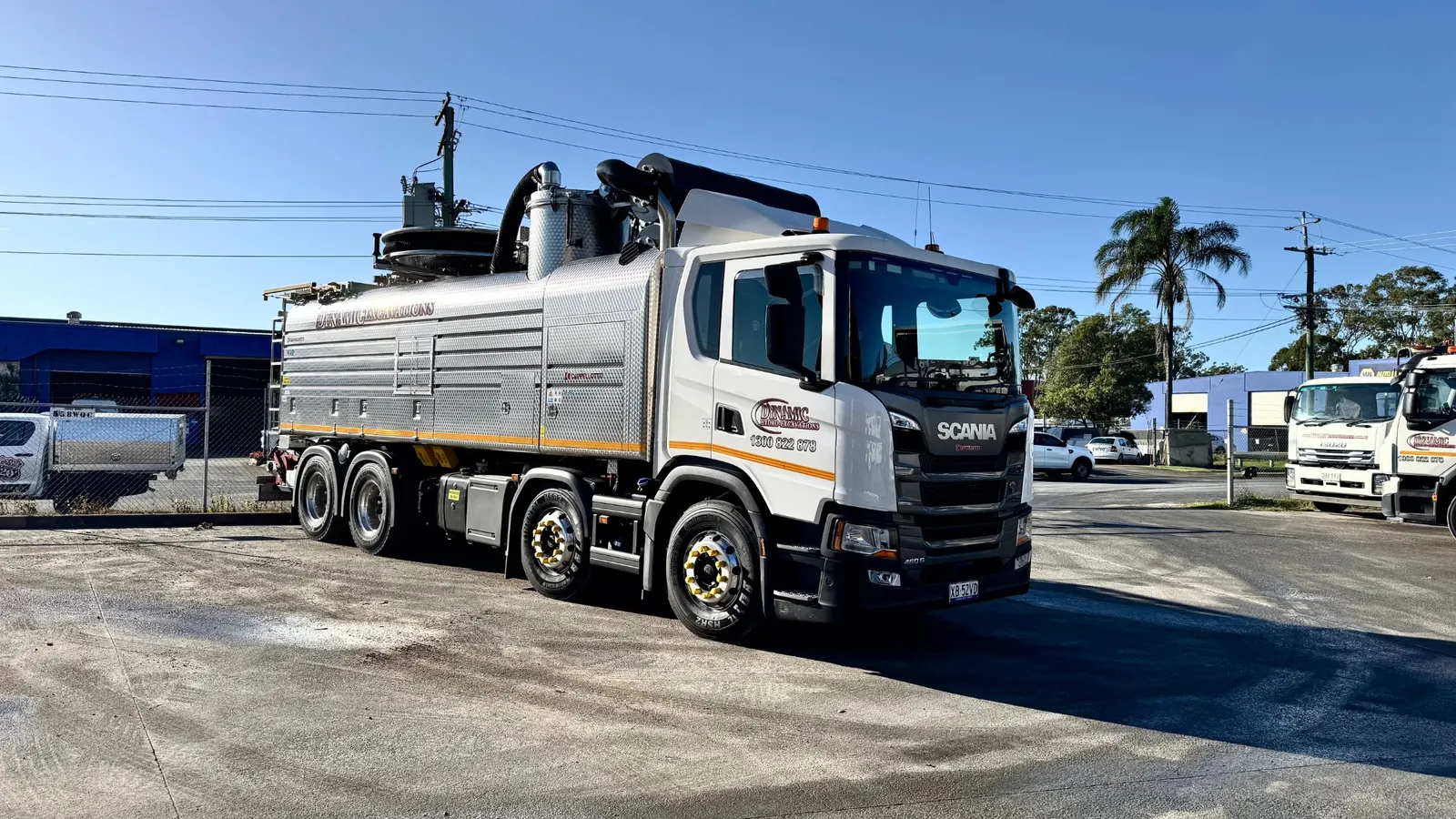
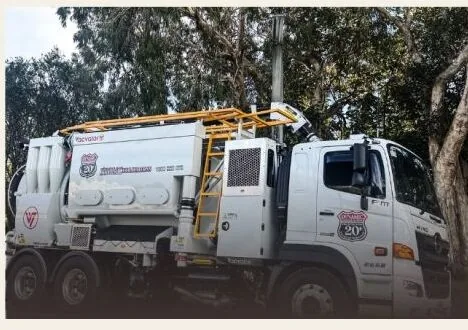
Where a job grows past a few potholes, 10x4 vacuum trucks and hydro tankers can be added from the same depot so spoil volume does not slow the excavation unit.