Layered networks in narrow reserves
Sydney has some of the oldest and most layered utility networks in Australia. In many streets, water, sewer, gas, electrical, telecommunications and drainage assets from different eras share a narrow reserve, and the plans show roughly where each one runs rather than exactly.
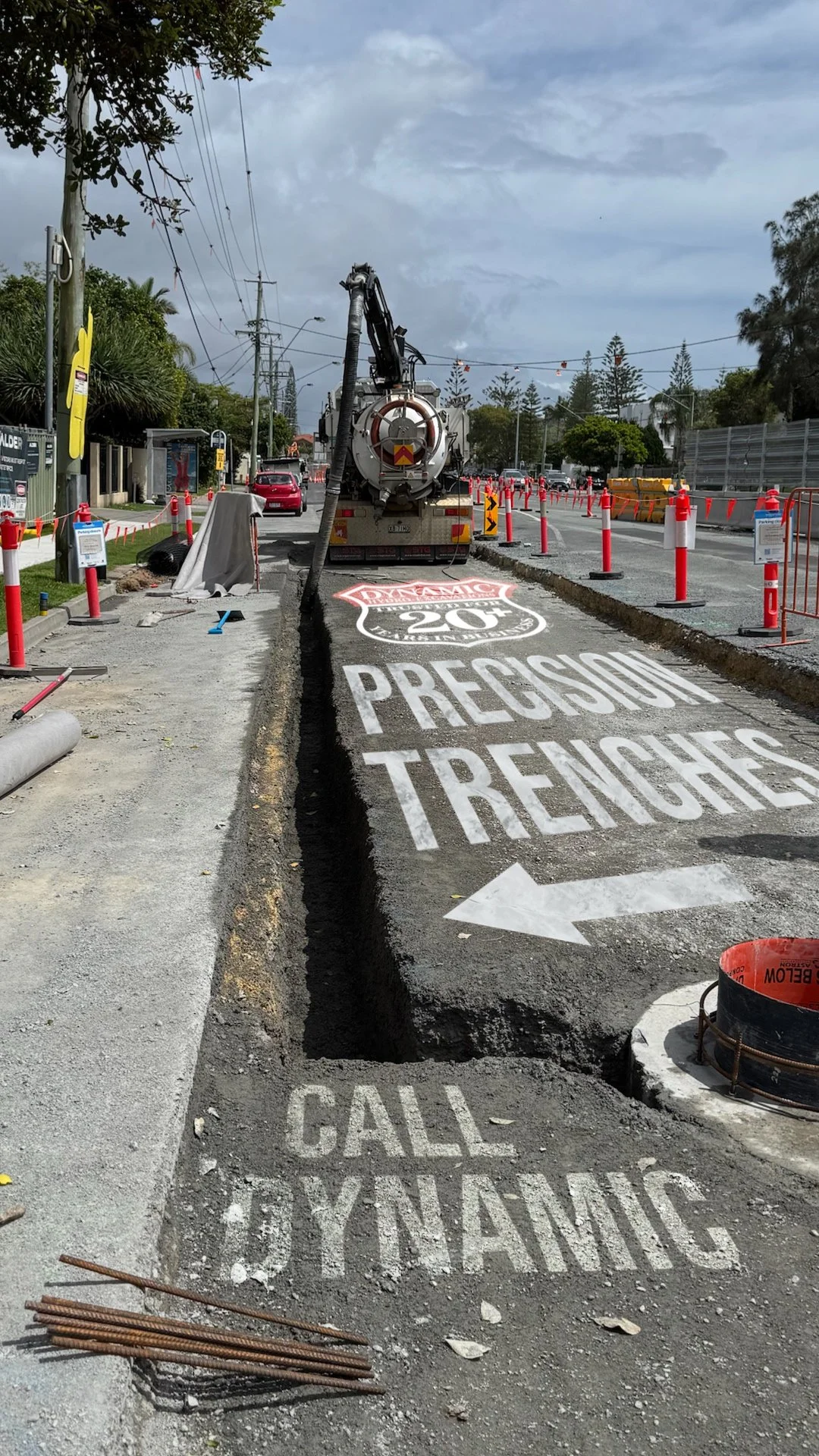
Precision matters more than volume in that setting. Hydro excavation lets an operator work down between services, expose the target asset and leave its neighbours undisturbed, which is why it is used for service proving, precision trenching and excavation tight against existing infrastructure.
Working inside a night-works window
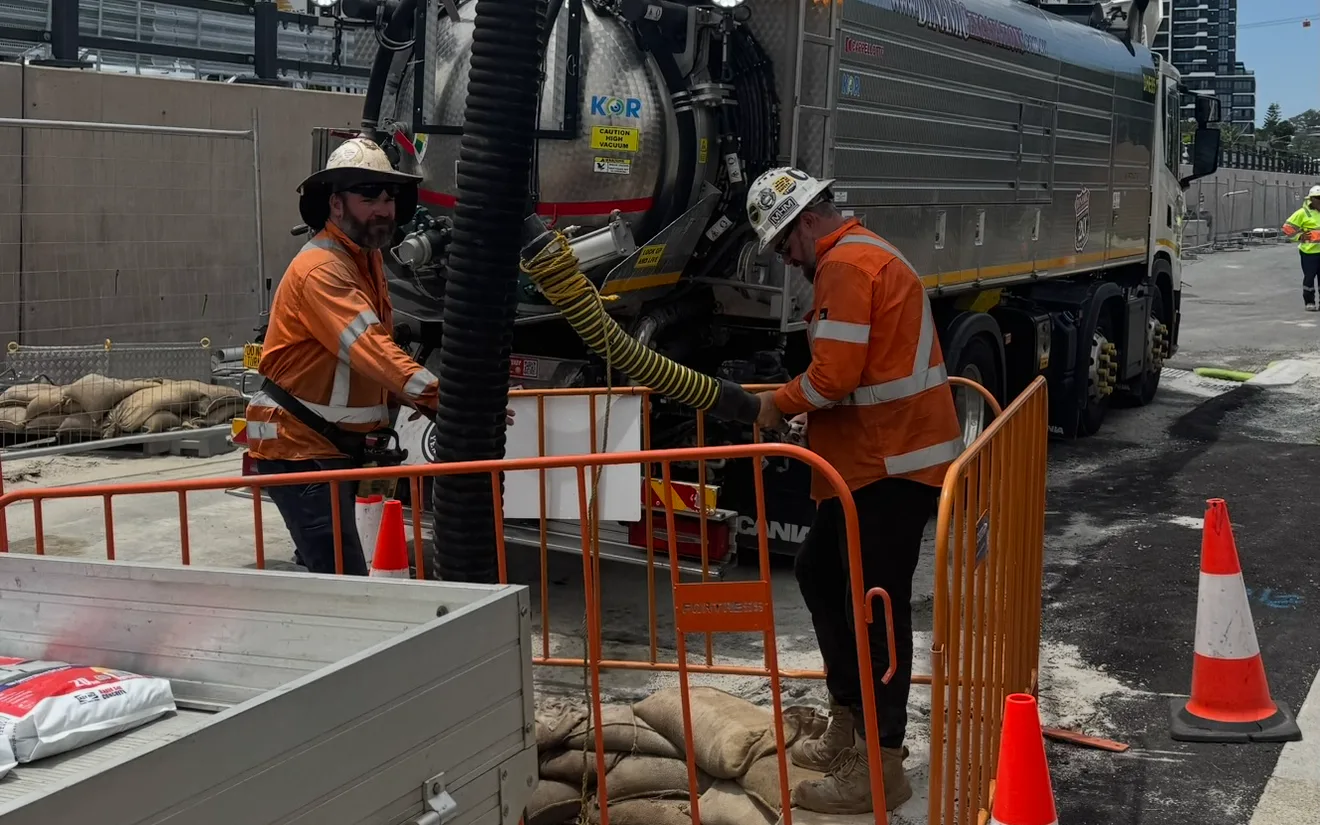
On arterial roads and in the CBD, a large share of hydro excavation happens at night or at weekends, inside approved work windows with traffic management in place. The crew has to finish, reinstate and reopen the lane before the window closes.
Hydro excavation suits that pattern. The setup is compact, spoil goes straight into the tank rather than onto the road, and a pothole can be backfilled and made safe at the end of the shift. Permits, staging and traffic control are settled during scoping so nothing is being worked out on the night.
Western Sydney and major projects
The western growth corridor combines greenfield development with large road, rail and utility programmes, and basing plant at Penrith puts units close to that work. Units also reach sites further west and south of the city.
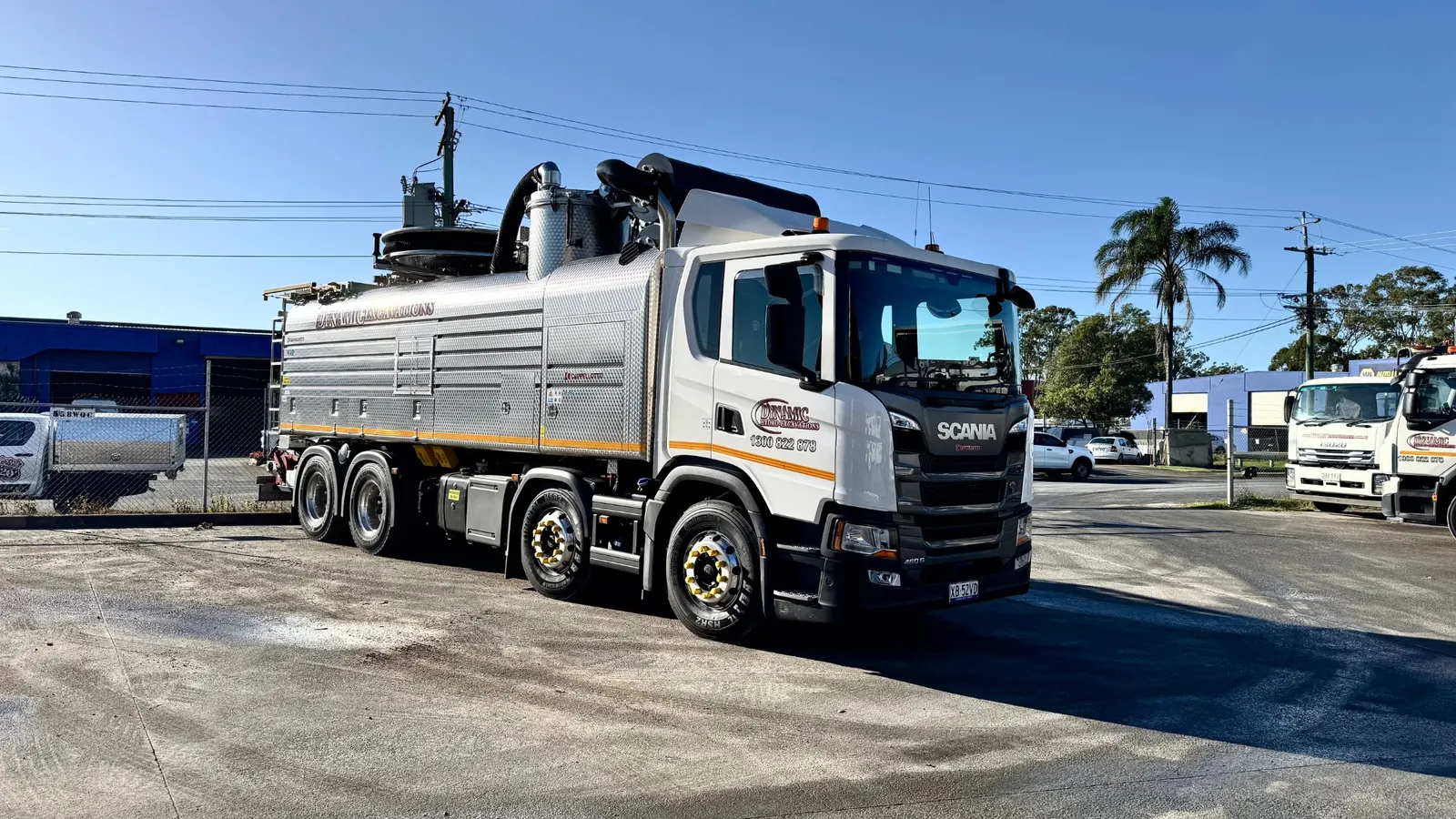
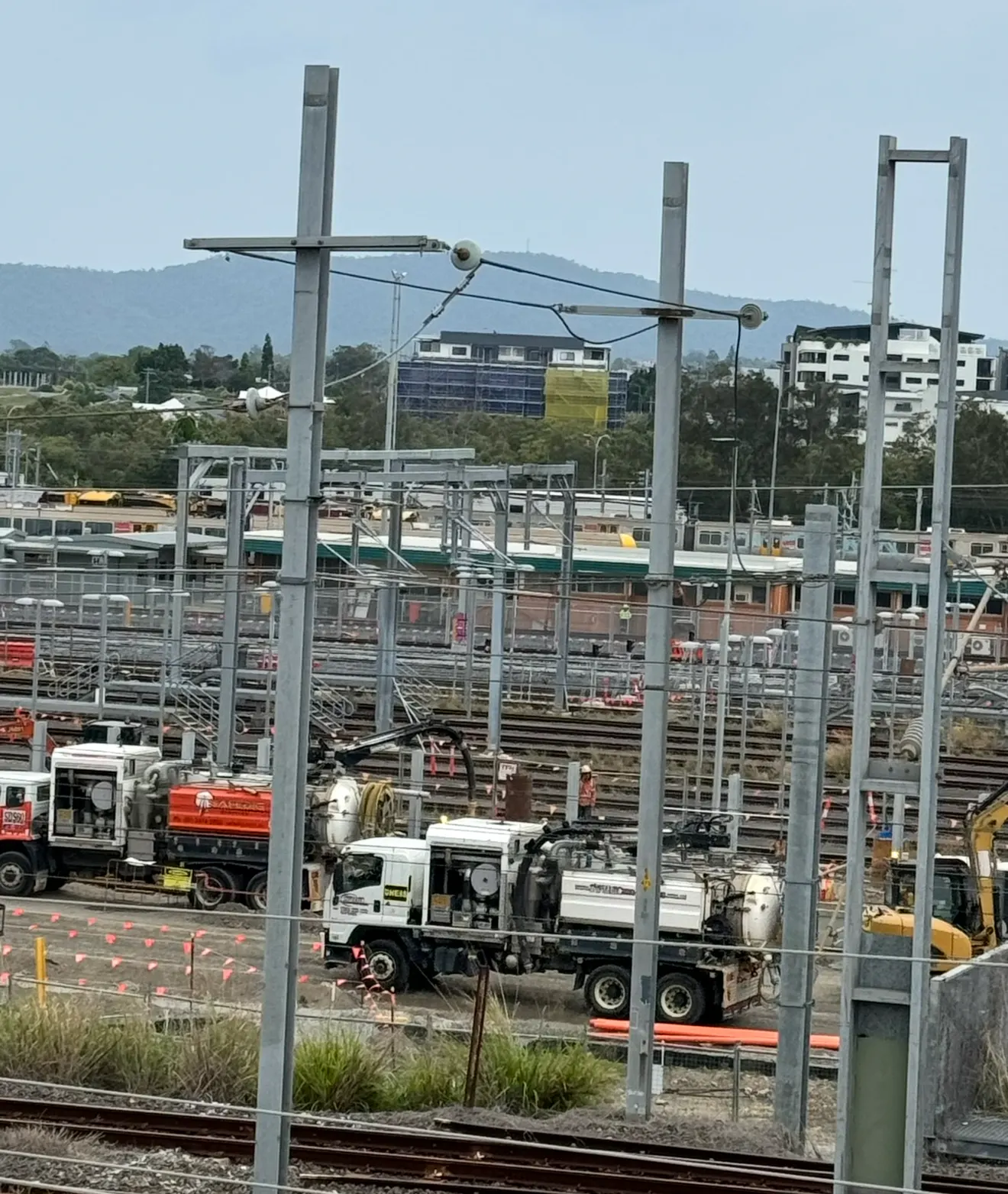
On major civil and rail projects hydro excavation is usually one part of a larger package, working alongside other trades within tight footprints and access windows. More trucks in the Sydney depot make it easier to commit to sequenced start times and to hold a unit on a staged programme.
Access decides the truck
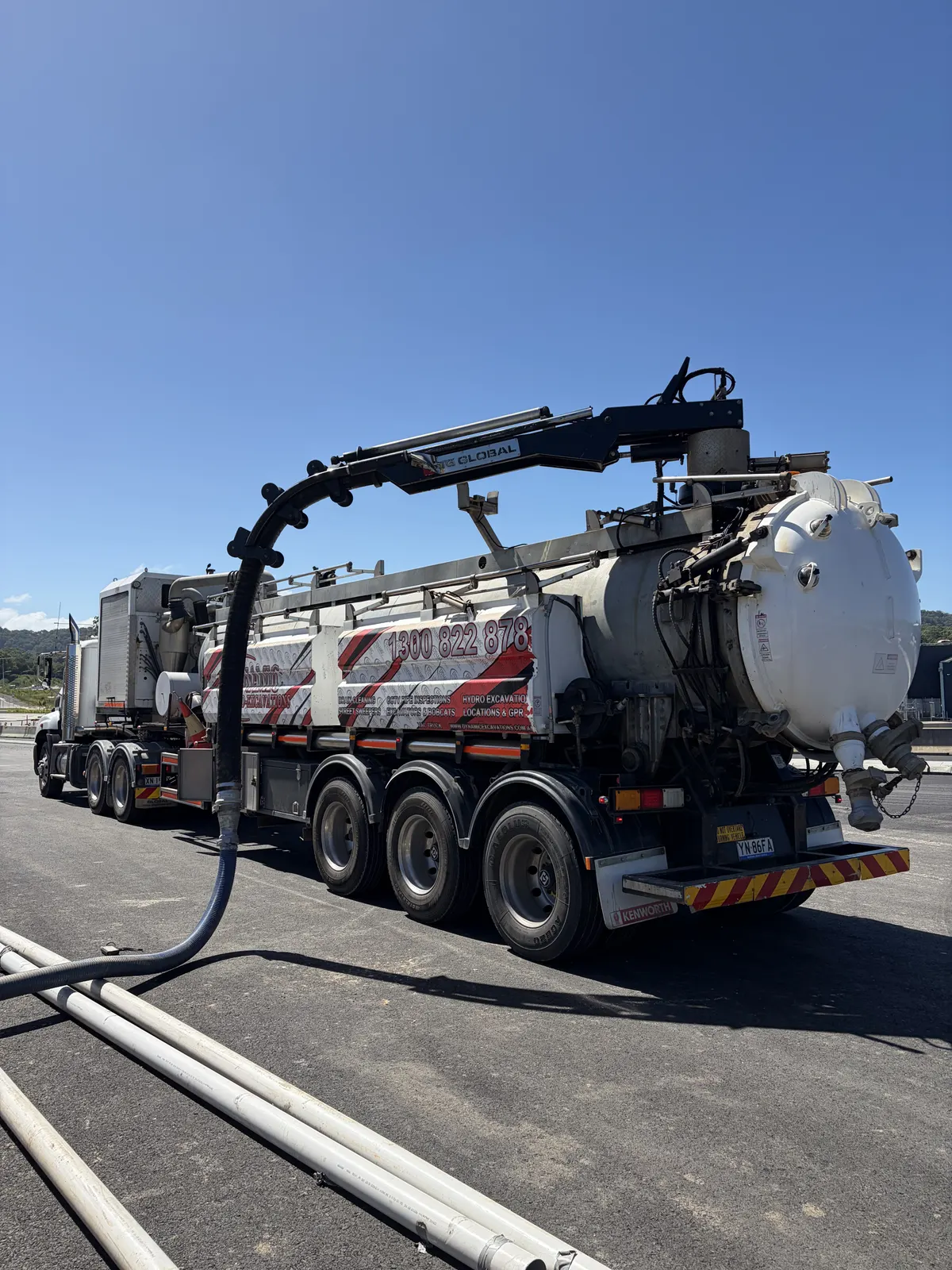
A basement car park, a nature strip between parked cars and a live rail corridor each rule different units in or out. Hose run length, overhead clearance and load limits along the access route are the details that decide which truck is sent, so include them in your enquiry.