Digging in coastal sand
Much of the Gold Coast is built on low-lying sand. Water cuts sand quickly, so progress is rarely the problem. Keeping the excavation open is. Dry sand runs, and saturated sand slumps back into the hole almost as fast as it is removed.
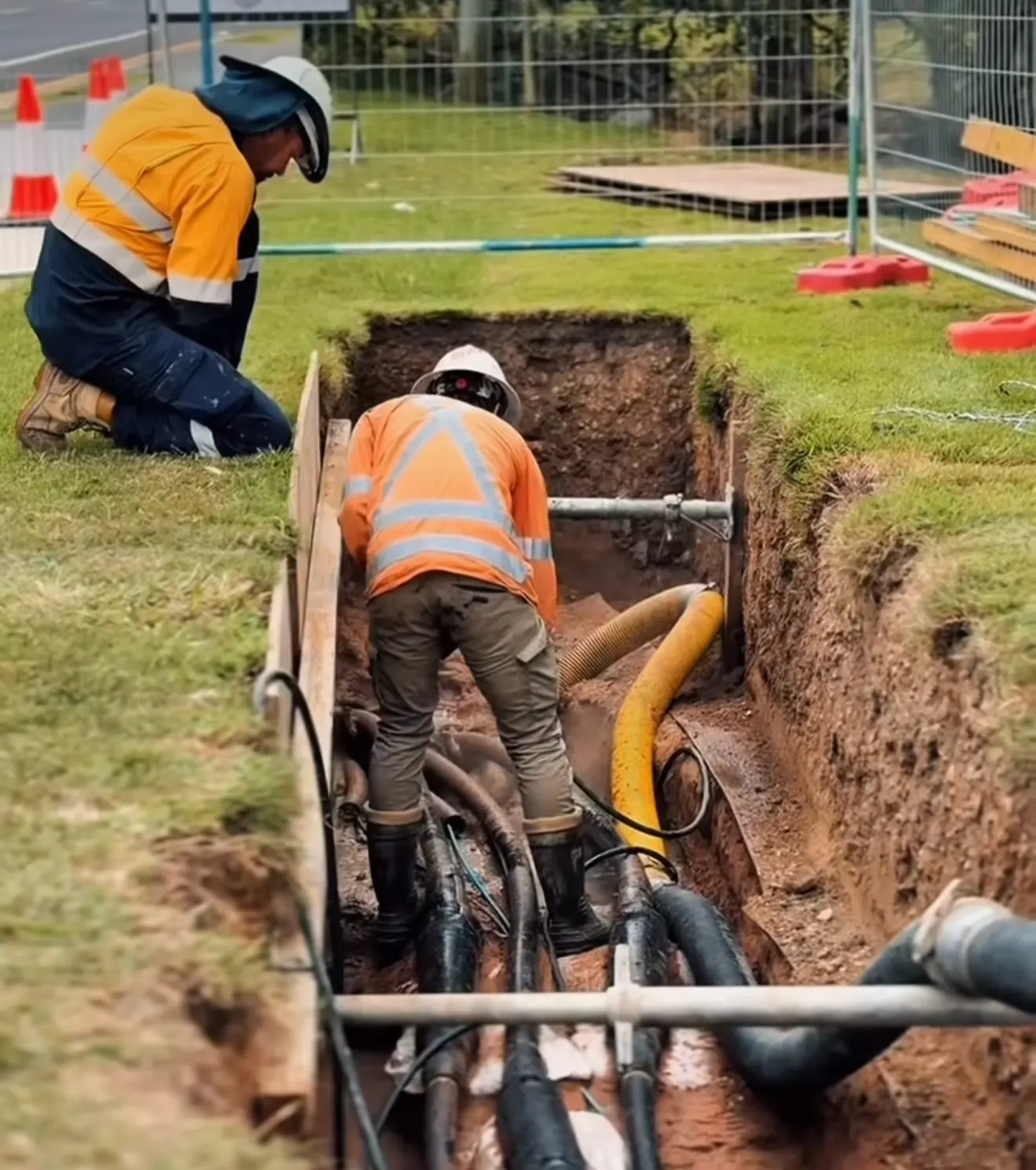
Hydro excavation copes with this better than a bucket because the spoil goes straight into the tank rather than onto a stockpile at the edge of a hole that is trying to close. Keeping potholes tight and working steadily to the target depth limits how much ground is disturbed around the asset.
Groundwater in the canal estates and beachside suburbs
In the canal estates and along the beachfront, groundwater can sit close to the surface. Once an excavation reaches it, the hole fills with water and the vacuum has to lift that water along with the soil.
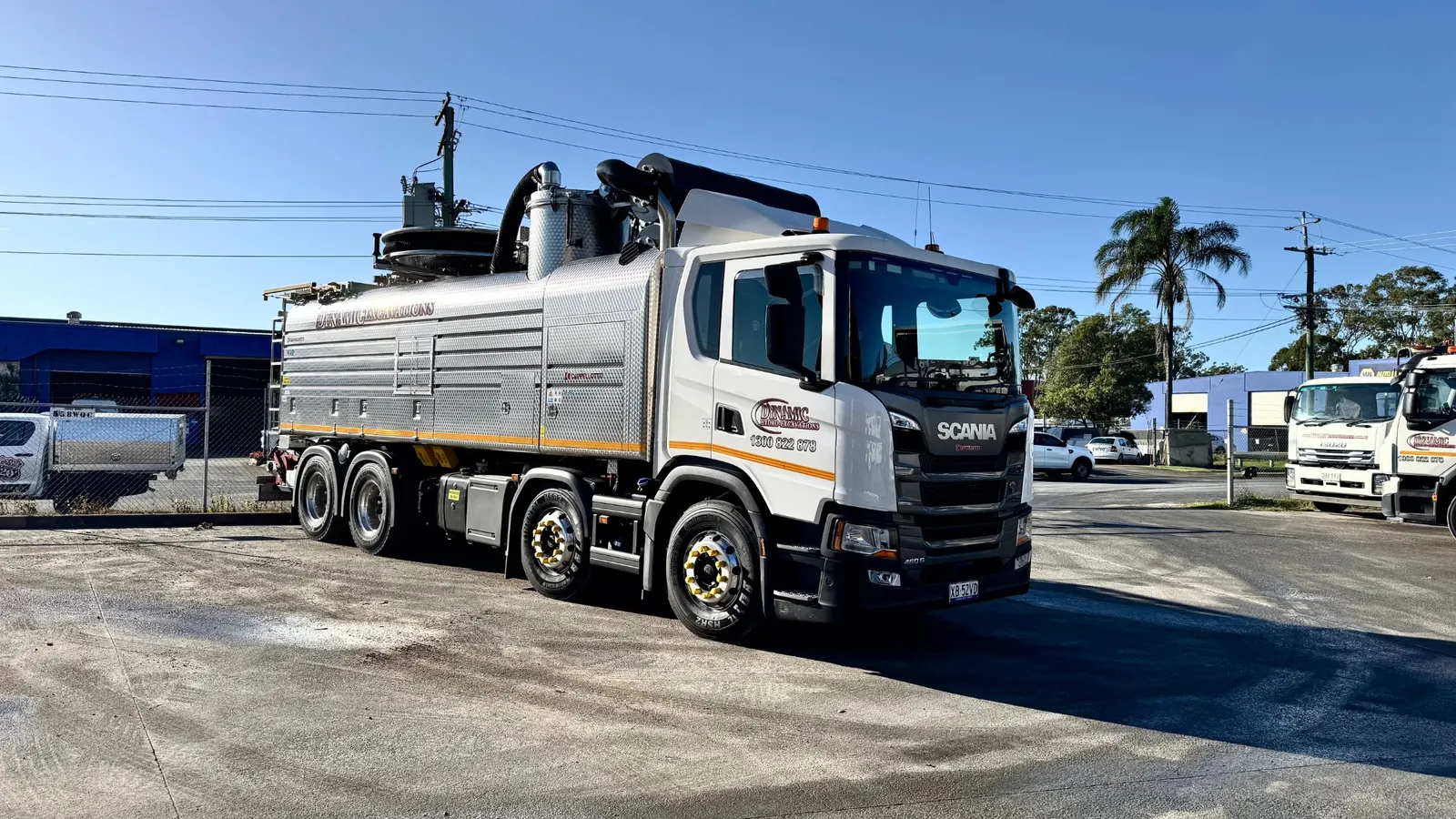
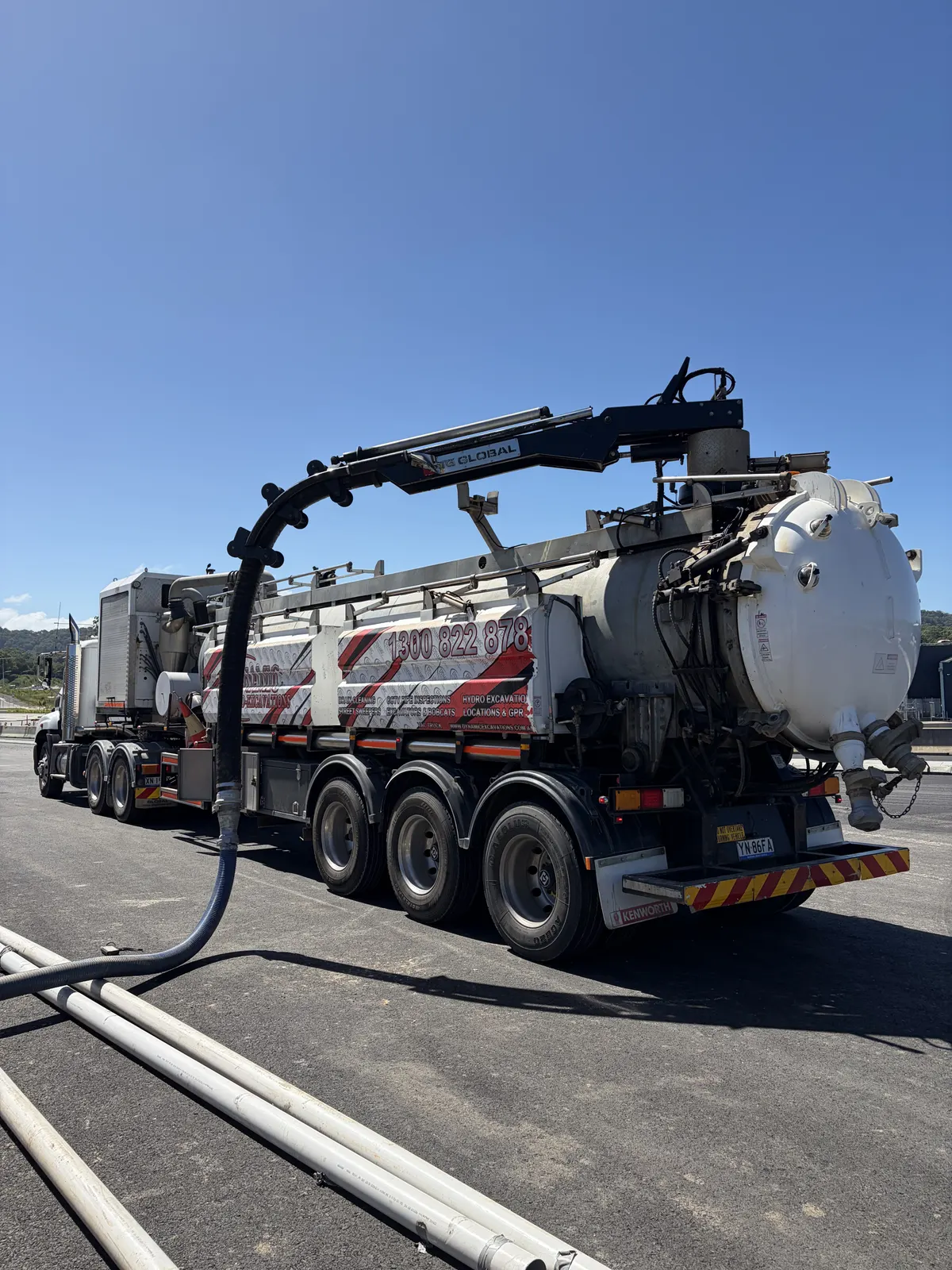
That changes the volumes involved more than the method. A site likely to produce a lot of wet spoil is better served by a 10x4 vacuum truck, or by a hydro tanker working alongside the excavation unit, so the crew spends the shift digging rather than driving to tip. Mention known groundwater when you enquire.
Road corridors, subdivisions and high-rise sites
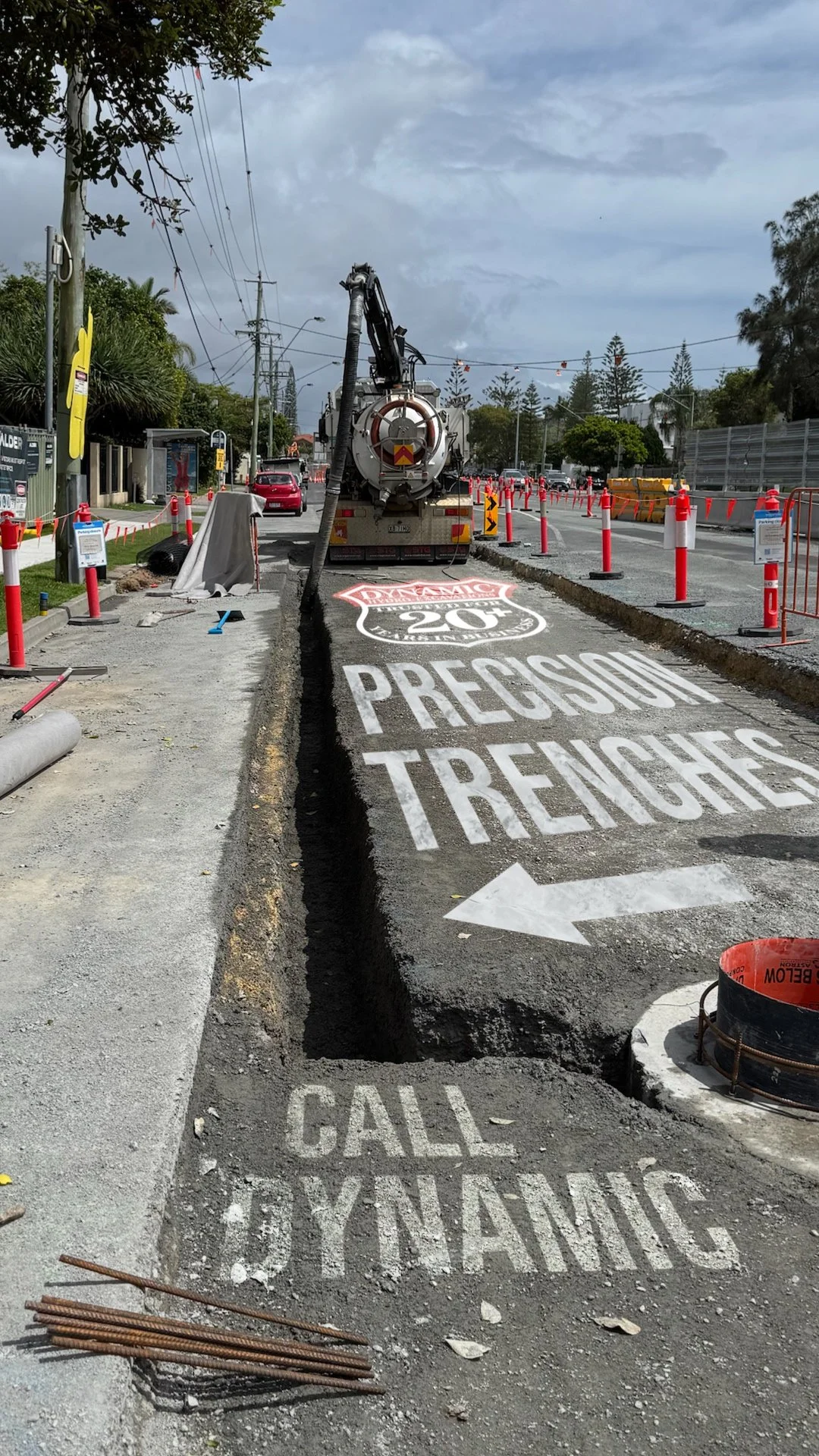
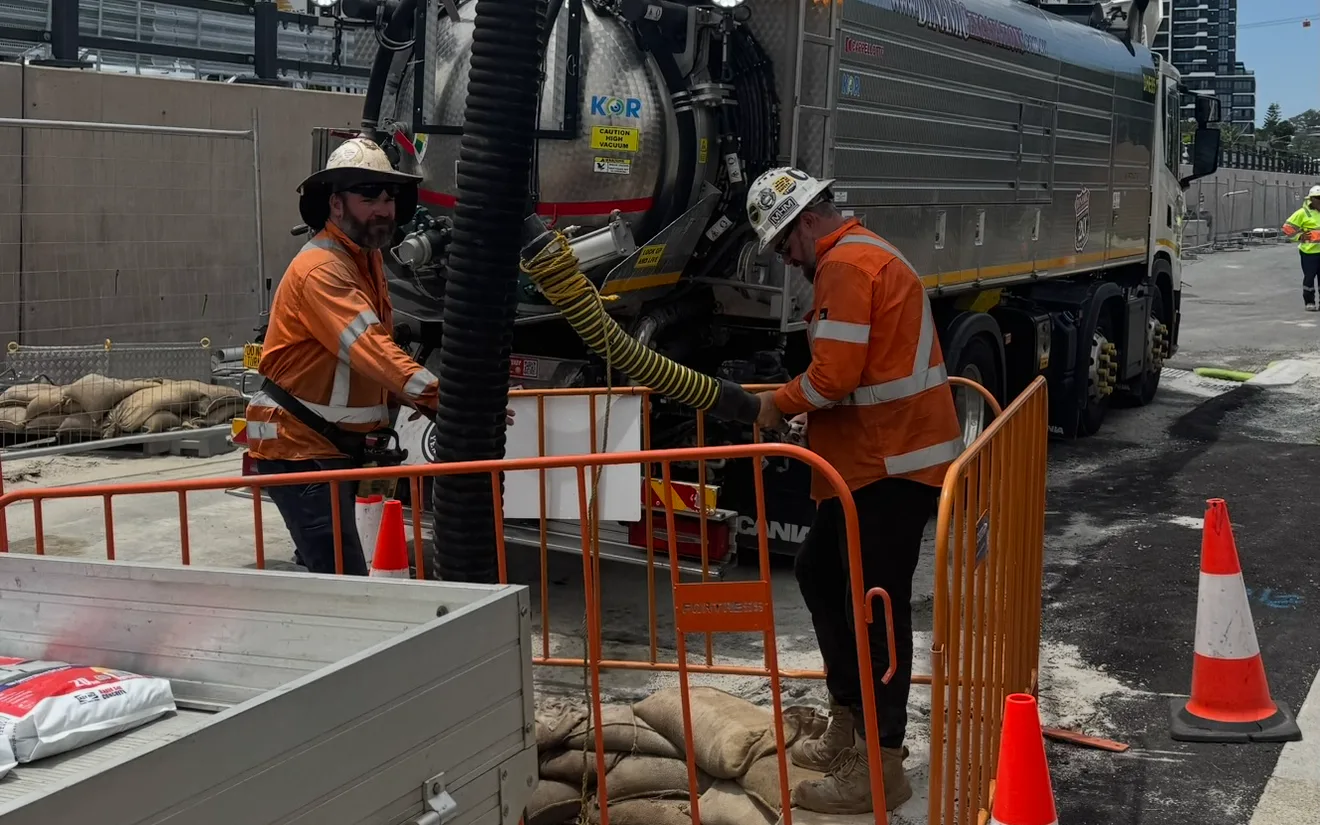
Road upgrades on the Gold Coast carry services along and across the alignment, and proving them ahead of trenching is routine work for the local crews, often within traffic control on a live corridor.
In the growth areas around Coomera, Helensvale and Ormeau, new estates need recently installed services exposed and depths confirmed before the next trade connects. On high-rise and commercial sites, services are proved before piling, footings and connections, frequently hard against existing kerbs, pits and pavement.
One contact for locating, digging and support plant
Underground service locating is available through LADS, part of the Dynamic Group, so a site can be located and exposed within the same group. Excavators, bobcats, tip trucks and hydro tankers can be supplied with operators where a job needs more than a hydrovac.