
Hydro excavation as a risk control on civil construction sites
3 min read
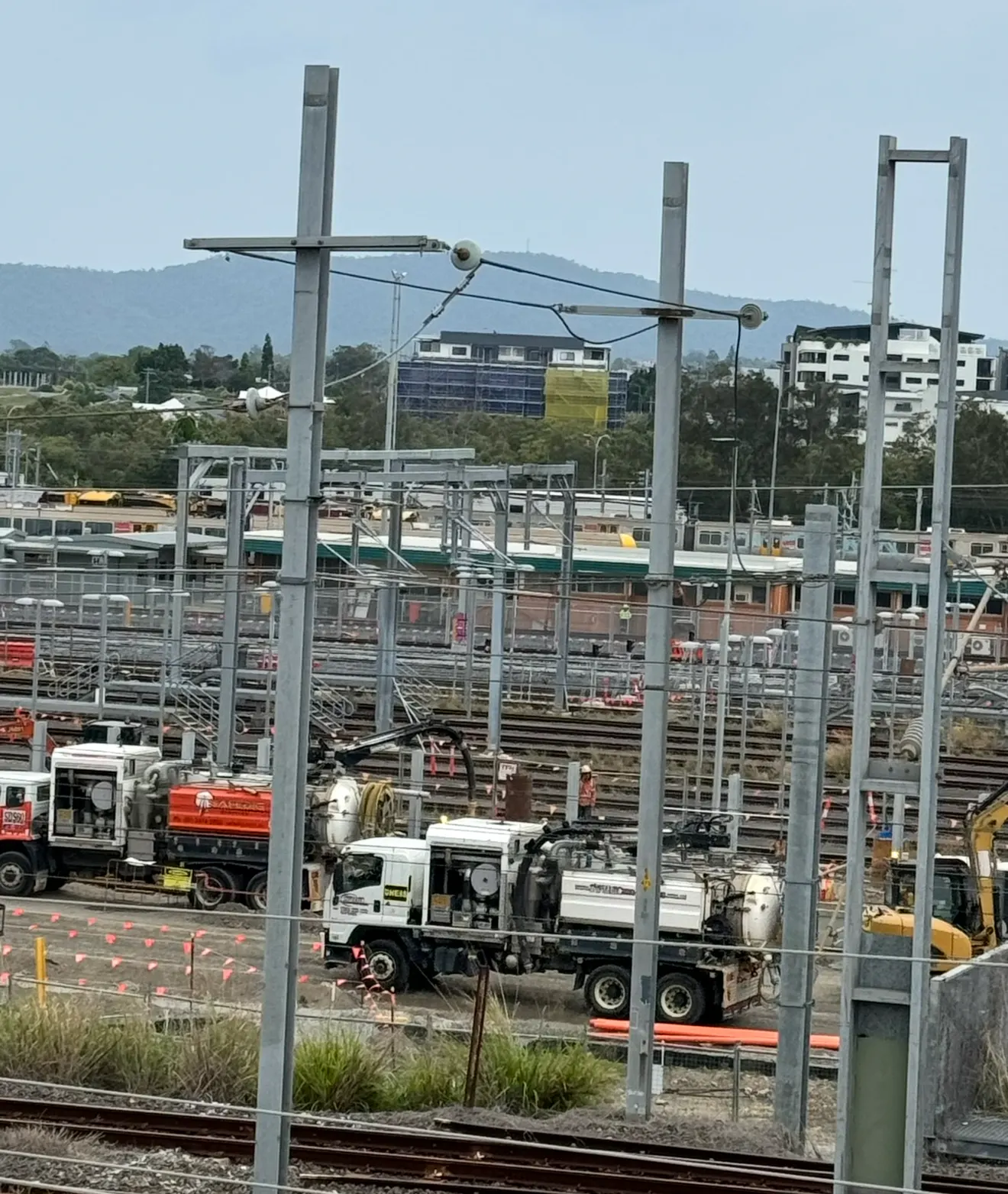
Dynamic Hydro Excavations image library
Civil projects carry a small number of risks capable of stopping the job outright. A service strike is one of them. It halts work, brings the asset owner on site, triggers investigation and repair, and can interrupt supply to people who have nothing to do with the project.
That is why the excavation method around services is a programme decision, not just a safety one.
Where the exposure sits
The highest-risk moments on a civil site are usually predictable:
- The first excavation in a corridor where records are uncertain
- Working within the specified clearance distance of a high-pressure gas or high-voltage electrical asset
- Excavating alongside or beneath an existing structure, slab, pavement or footing
- Piling and pile-cap works where a strike would be difficult to reach and repair
- Working in live rail, road and utility corridors under restricted access windows
- Tying new works into an existing network of unknown condition
In each case the exposure comes from uncertainty about what is in the ground, combined with an excavation method that cannot stop when it finds it.
What hydro excavation changes
Hydro excavation removes the mechanical cutting edge from the excavation. Water loosens the soil, suction removes it, and the asset is exposed rather than cut. That has several effects a site engineer will recognise:
- Reduced likelihood of a strike at the point of contact with the asset
- A clean, dimensionally controlled excavation, so less over-excavation and less reinstatement
- Spoil contained in the truck tank rather than stockpiled in a working area
- Excavation possible at distance from the truck, using boom and hose reach into areas plant cannot enter
- Work practical in confined footprints and alongside other trades
The smaller, more accurate excavation matters more than it sounds. Less disturbed ground means less backfill, less compaction testing and a shorter reinstatement, which is programme time recovered on every location.
It reduces risk, it does not remove it
Hydro excavation helps reduce the risk of accidental service strikes. It does not eliminate the risk on its own. Assets can be shallower than recorded, unrecorded services exist, and high-pressure water used carelessly can still damage coatings and insulation. The control only works alongside plans, service locating and competent operators.
Working inside a construction programme
On a live civil site the excavation crew is rarely working alone. Access windows are short, laydown space is limited and other trades are waiting on the hole. Practical delivery matters as much as method:
- Sequenced start times that hold, so following trades are not stood down
- Crews inducted and documented before mobilisation, not on arrival
- Units held on site for staged programmes rather than remobilised repeatedly
- Emergency response capacity when something does go wrong
That is why depot coverage matters to contractors. Dynamic operates from regional depots right across Queensland and New South Wales, which is what makes a committed start time realistic. Regions are listed on the locations page.
Specifying it properly in a scope of works
Where hydro excavation is written into a scope, a few details decide whether the intent survives contact with the site.
- The distance from a known asset within which non-destructive methods are mandatory
- Who obtains plans and arranges the locate
- What has to be recorded when an asset is exposed, and in what format
- How spoil and water are disposed of, and by whom
- The reinstatement standard, and who carries it out
- Hold points where work stops for verification before continuing
Ambiguity in any of these tends to surface at the worst moment, usually with a crew standing over an open excavation waiting on a decision.
Cost compared with consequence
Hydro excavation costs more per cubic metre than a machine. The comparison that matters is not rate against rate. It is the cost of exposing an asset properly against the cost of a strike: standing time for every trade on site, asset owner repair costs, investigation, possible regulatory involvement and the programme delay sitting behind all of it.
On most civil projects a single avoided strike covers the difference across the whole programme. That is why non-destructive digging has moved from an option to a requirement in most specifications.
Prequalification and project support
For documentation, prequalification or a scope of works, contact us. For upcoming excavation on a civil programme, request a project quote. Examples of completed work are on the projects page.
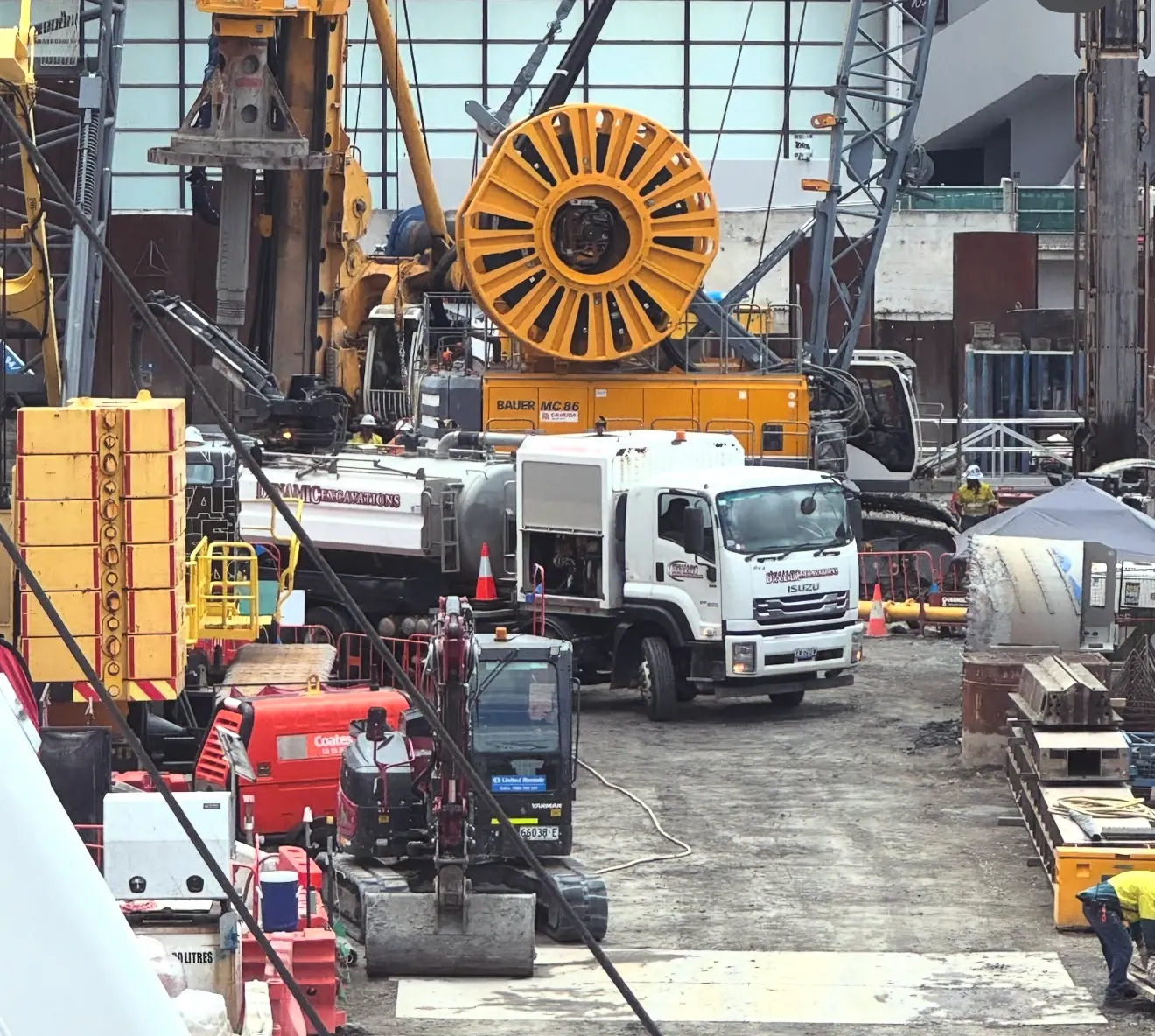
Services in this article
Related service regions
Related reading
More news & insights
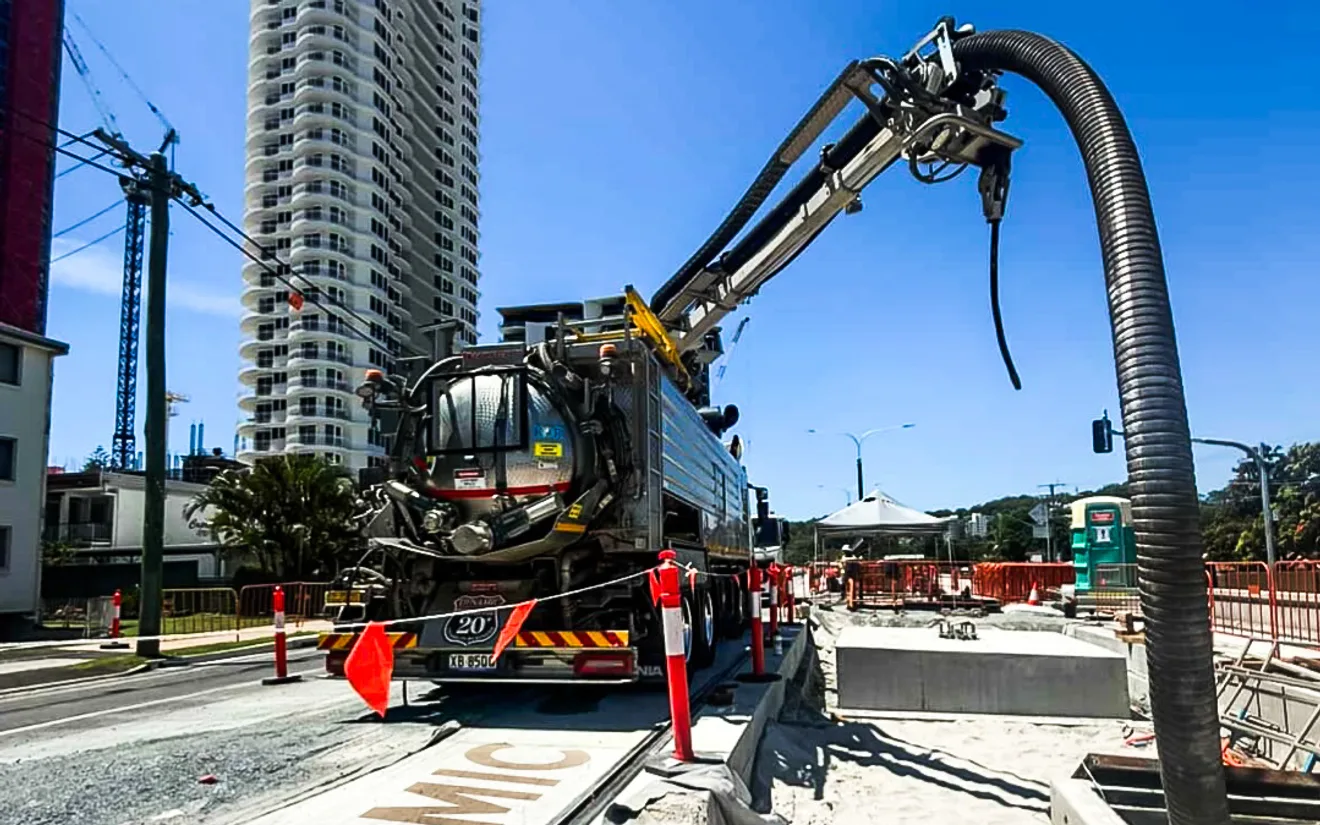
Non-destructive digging around live underground services
Non-destructive digging removes the mechanical cutting edge from the excavation, which is what makes it suitable for work around live services. It helps reduce the risk of a service strike, but only as part of a sequence that starts well before a truck arrives.
3 min read
Read Article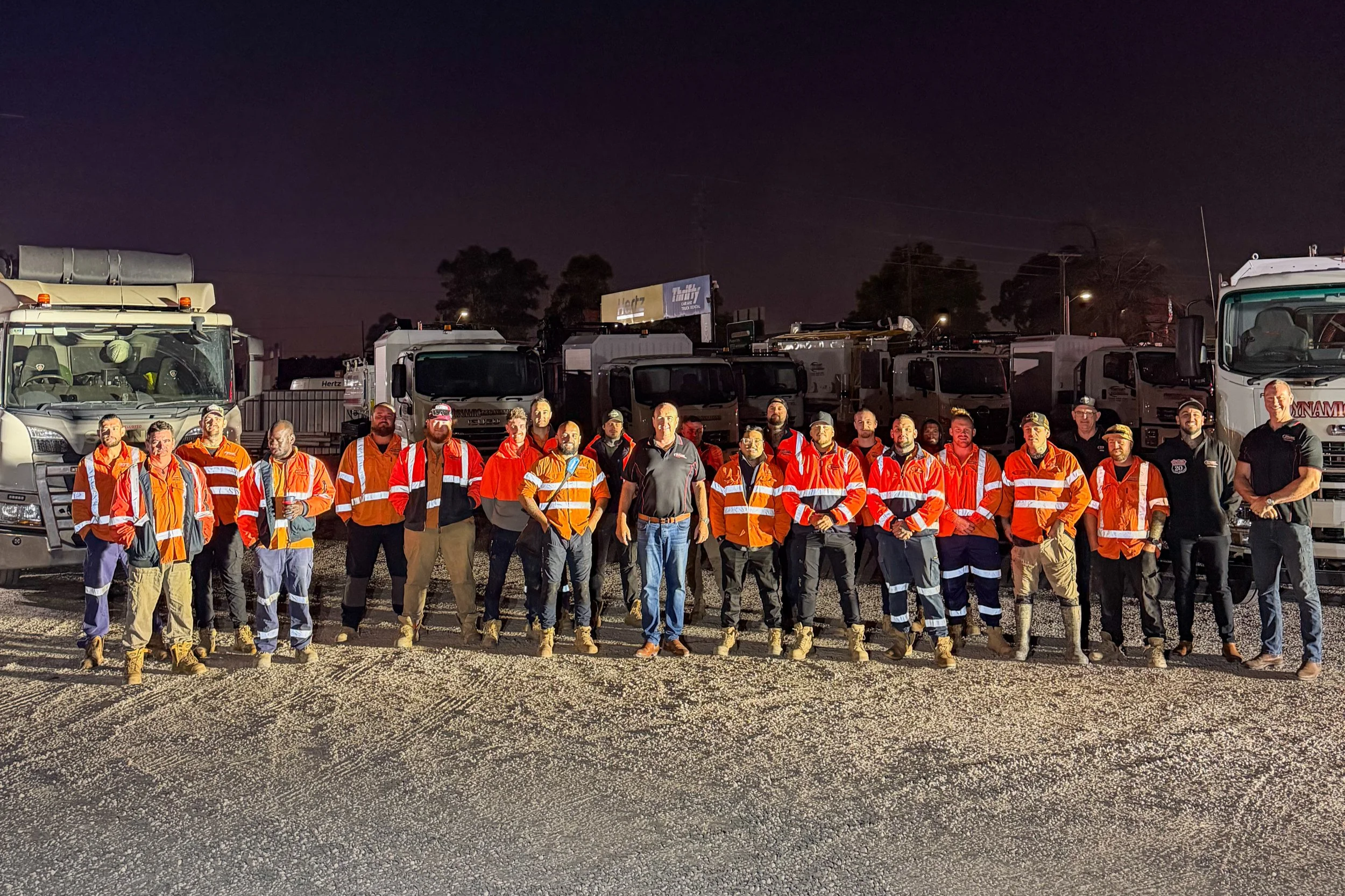
How Dynamic manages safety and quality on site
Excavation around live services is a controlled activity, not a careful one. This is how safety and quality are managed across the Dynamic fleet, from operator training and risk assessments through to plant maintenance and client-specific site compliance.
3 min read
Read Article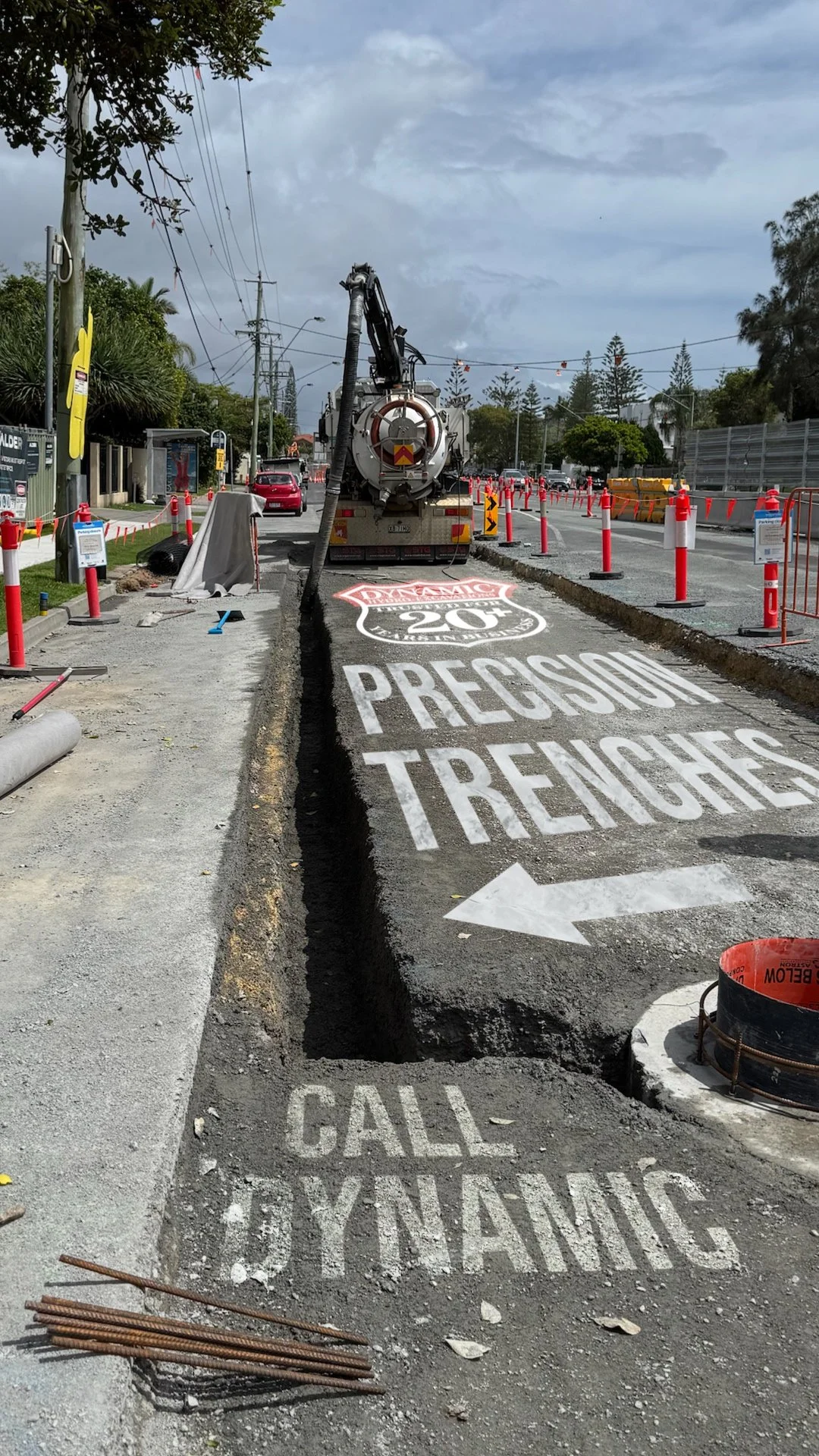
Exposing NBN and telecommunications services on the Fraser Coast
Telecommunications conduit is shallow, congested and easy to damage. This is how non-destructive digging is used to expose NBN and telecommunications assets on the Fraser Coast, and what makes the work different from general excavation.
3 min read
Read ArticlePlanning works that need hydro or vacuum excavation?
Request a project quote or speak with the team about your site, access constraints and programme. We cover planned and urgent works across Queensland and New South Wales.