Hydro excavation compared with vacuum excavation
3 min read
Dynamic Hydro Excavations image library
Tender documents, scopes of work and site instructions use hydro excavation and vacuum excavation as though they are two different services. They overlap, and the distinction is worth getting right when specifying work.
What each term describes
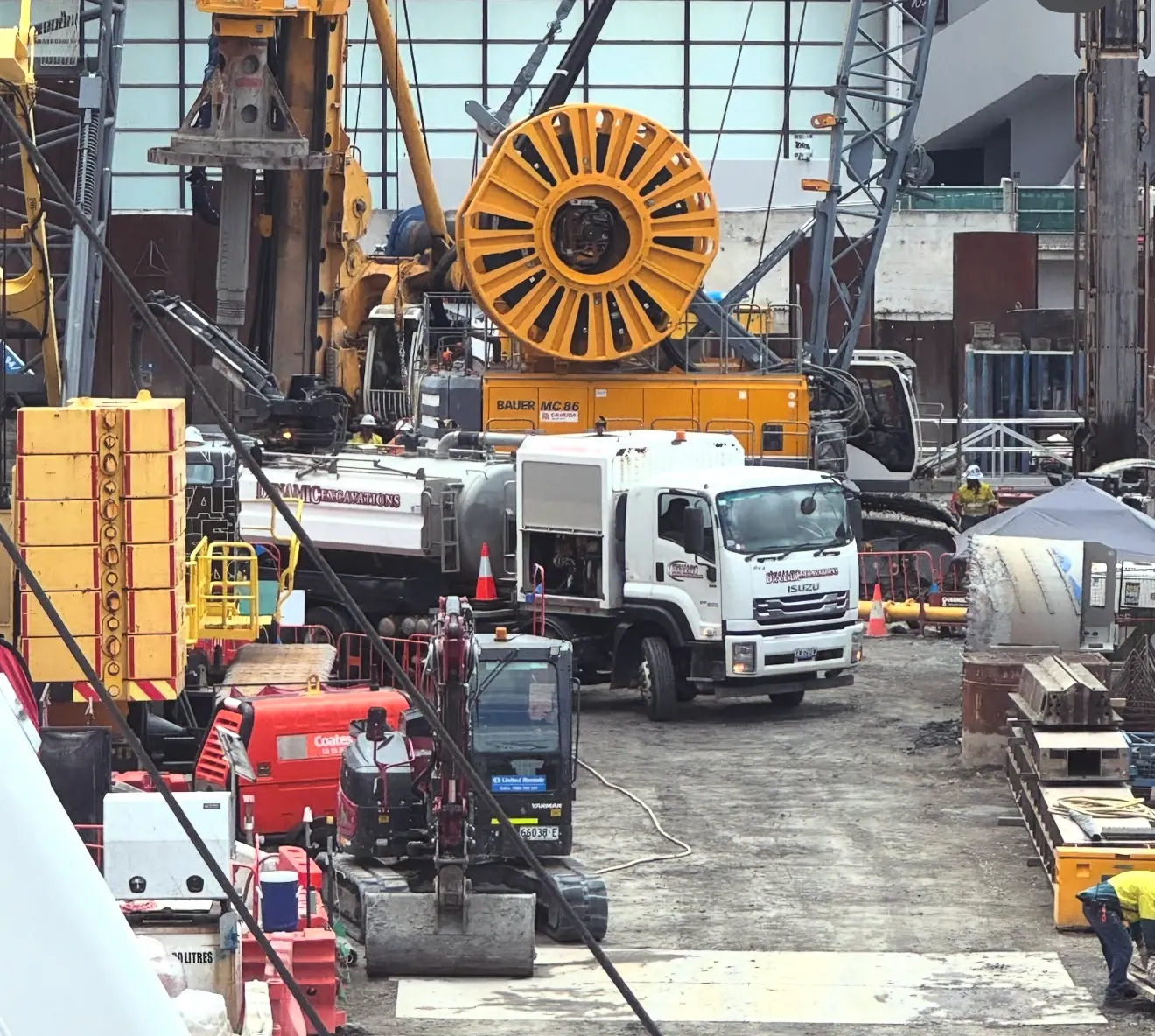
Vacuum excavation describes how material is removed: a high-volume vacuum system lifts loosened soil, slurry or debris into a tank on the truck rather than a bucket lifting it into a stockpile. It is the removal half of the process.
Hydro excavation describes how the material is loosened: a high-pressure water jet. It is the cutting half of the process. A hydro excavation truck is therefore a vacuum excavation truck that uses water as its cutting medium.
The other common cutting medium is compressed air, usually called air excavation. Both sit under the broader heading of non-destructive digging, because neither uses a mechanical cutting edge in the excavation.
Water compared with air
Water
- Cuts harder, drier and more compacted ground more effectively
- Generally faster on trenching, potholing and larger volumes
- Produces wet slurry that must be contained and disposed of
- Introduces water into the excavation, which is a consideration where soil stability matters
Air
- Keeps the excavation and the spoil dry
- Spoil can often be reused as backfill, reducing cartage and imported material
- Suits enclosed, finished or sensitive areas where slurry would be a problem
- Slower in hard or heavily compacted ground
Neither method is universally superior. The right choice depends on the ground, the asset, the containment requirements and what has to happen to the excavation afterwards.
Vacuum loading is a third thing
A related term is vacuum loading, which uses the same suction capability without any excavation. It covers bulk removal of liquids, slurries, sludge and dry material from pits, tanks, sumps, plant and chambers. The truck is doing removal only.
Larger volume liquid removal is generally handled by hydro tankers rather than an excavation unit, because tank capacity becomes the limiting factor rather than cutting performance.
How to specify the work
Rather than naming a method, it is usually more effective to describe the constraints:
- What is in the ground, and how it has been located so far
- Site access, including the distance from a truck standing position to the working face
- Whether spoil can be stockpiled or must leave site
- Whether the excavation has to stay dry
- Approximate volume, depth and number of locations
- Access windows, traffic management and any permit requirements
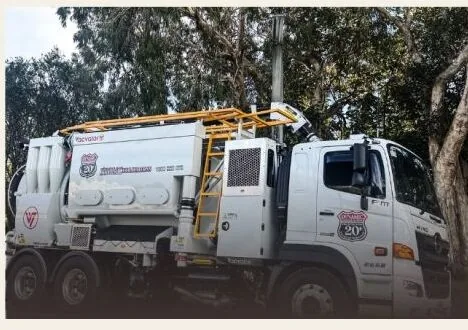
With that information the right configuration can be selected from the fleet, which includes water and air units, combination units, 4x4 vehicles for off-road access and tankers for high volume work.
Cost and productivity differences
Neither method is cheap per cubic metre next to a machine, and comparing them on unit rate alone is misleading. The relevant comparison is total cost including the consequences of getting it wrong: a service strike, a shutdown, a repair carried out by the asset owner and the programme delay sitting behind it.
Between the two methods, the productivity differences come down to ground conditions and disposal.
- Water is generally faster in hard or compacted ground, which reduces time on site
- Air avoids slurry disposal, which can offset slower excavation where cartage is expensive
- Air spoil that can be reused as backfill removes the cost of imported material
- Water needs a supply and a discharge point, both of which add travel on remote jobs
On a handful of potholes in sandy ground, an air unit can finish with nothing to take away. On a long service trench in clay, water will usually finish sooner even once cartage is counted.
Combination units are a separate category
One more configuration is worth knowing about. A combination unit pairs high-pressure jetting with vacuum recovery and is built for drain cleaning rather than excavation, with some units recycling water on board to extend how long they can work between refills. That is covered in combination units and drain cleaning explained.
A note on non-destructive digging
Some scopes use non-destructive digging, or NDD, as the umbrella term. That is the clearest option where either water or air would be acceptable, because it describes the outcome required rather than the equipment, and leaves the method to be matched to the ground on the day.
Getting advice on a specific site
If a scope is still being written, describing the site is more useful than nominating equipment. Request a project quote with the details and the team will recommend a method and a unit.
Services in this article
Related service regions
Related reading
More news & insights
What is hydro excavation and how does it work?
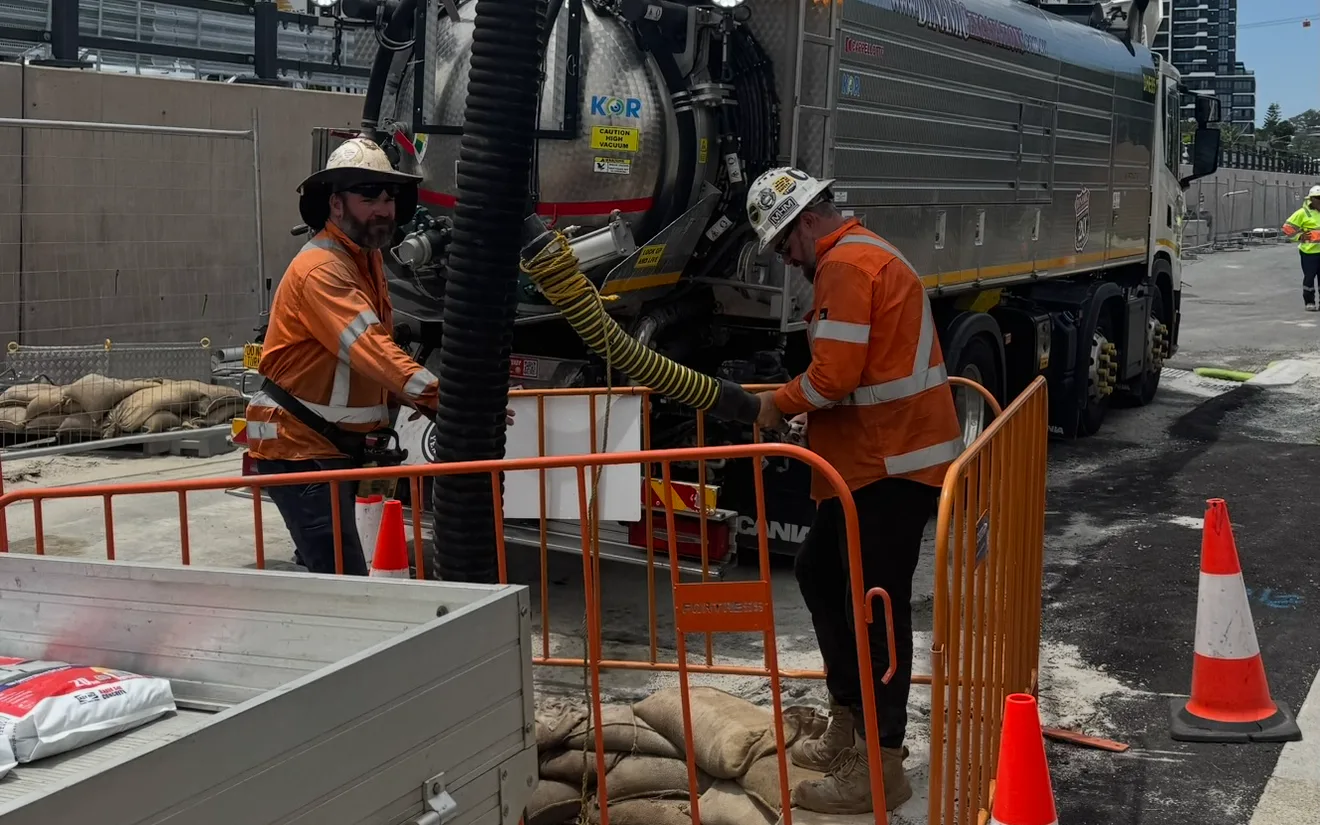
Hydro excavation combines a high-pressure water jet with high-volume suction to remove soil without a mechanical cutting edge. It is the standard method for exposing live underground services and for digging where a machine bucket cannot be used safely.
3 min read
Read ArticleAir excavation: how Dynamic uses Vacvator units on live services
Air excavation uses compressed air rather than water to break up ground around buried services. Dynamic is rolling out Vacvator units across its East Coast operations, adding a dry option alongside hydro excavation.
3 min read
Read Article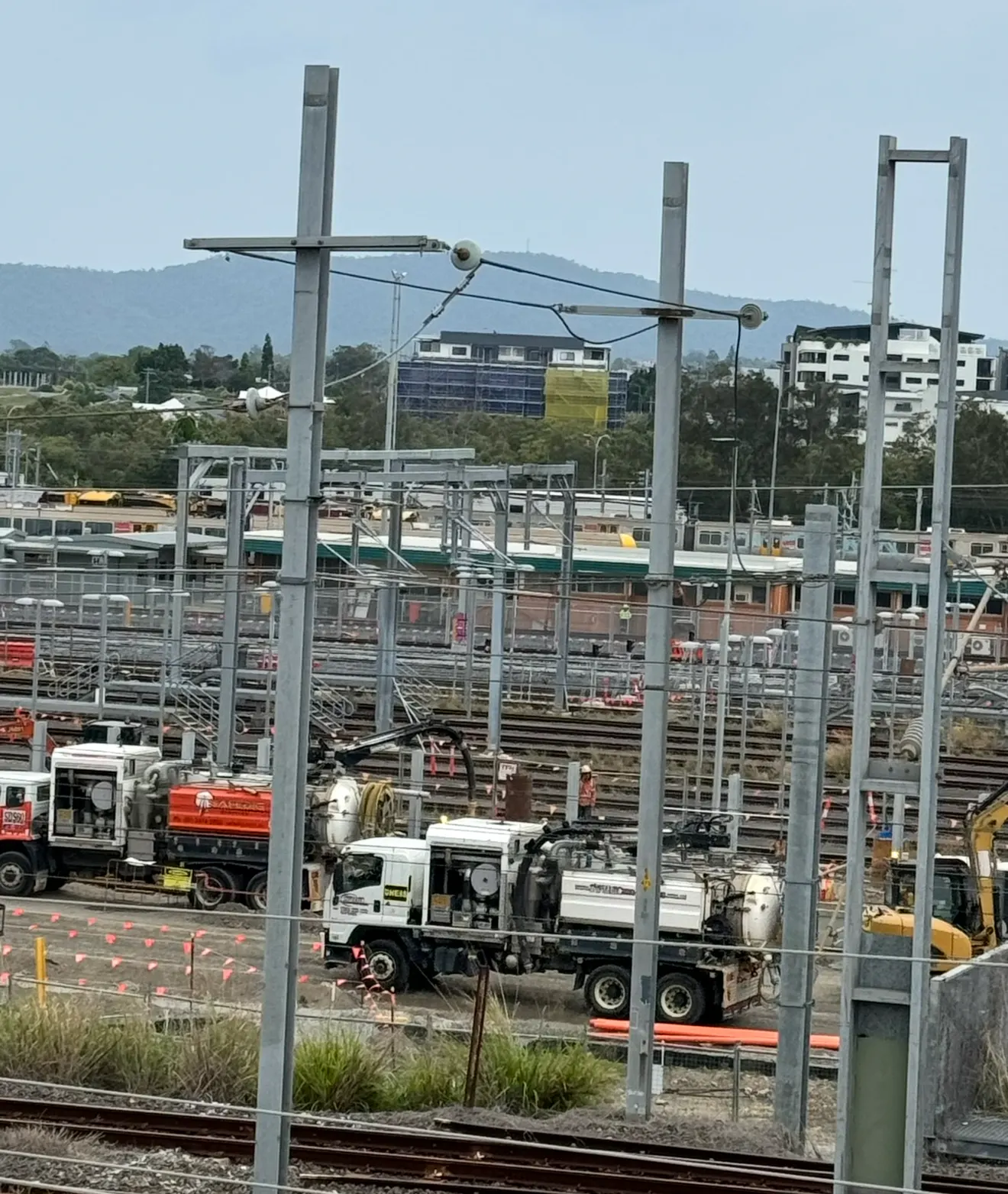
Hydro excavation as a risk control on civil construction sites
On a civil site the excavation method is a programme decision as much as a safety one. Hydro excavation is specified because it narrows the range of things that can go wrong at the point where a project is most exposed.
3 min read
Read ArticlePlanning works that need hydro or vacuum excavation?
Request a project quote or speak with the team about your site, access constraints and programme. We cover planned and urgent works across Queensland and New South Wales.