Combination units and how drain cleaning actually works
4 min read
Dynamic Hydro Excavations image library
Drainage networks fail slowly. Silt settles, grease builds, roots find joints and scale narrows the bore. Capacity reduces gradually until a storm arrives and the network cannot carry what it was designed to carry.
Cleaning restores that capacity, and the equipment used to do it is a combination unit.
What a combination unit is
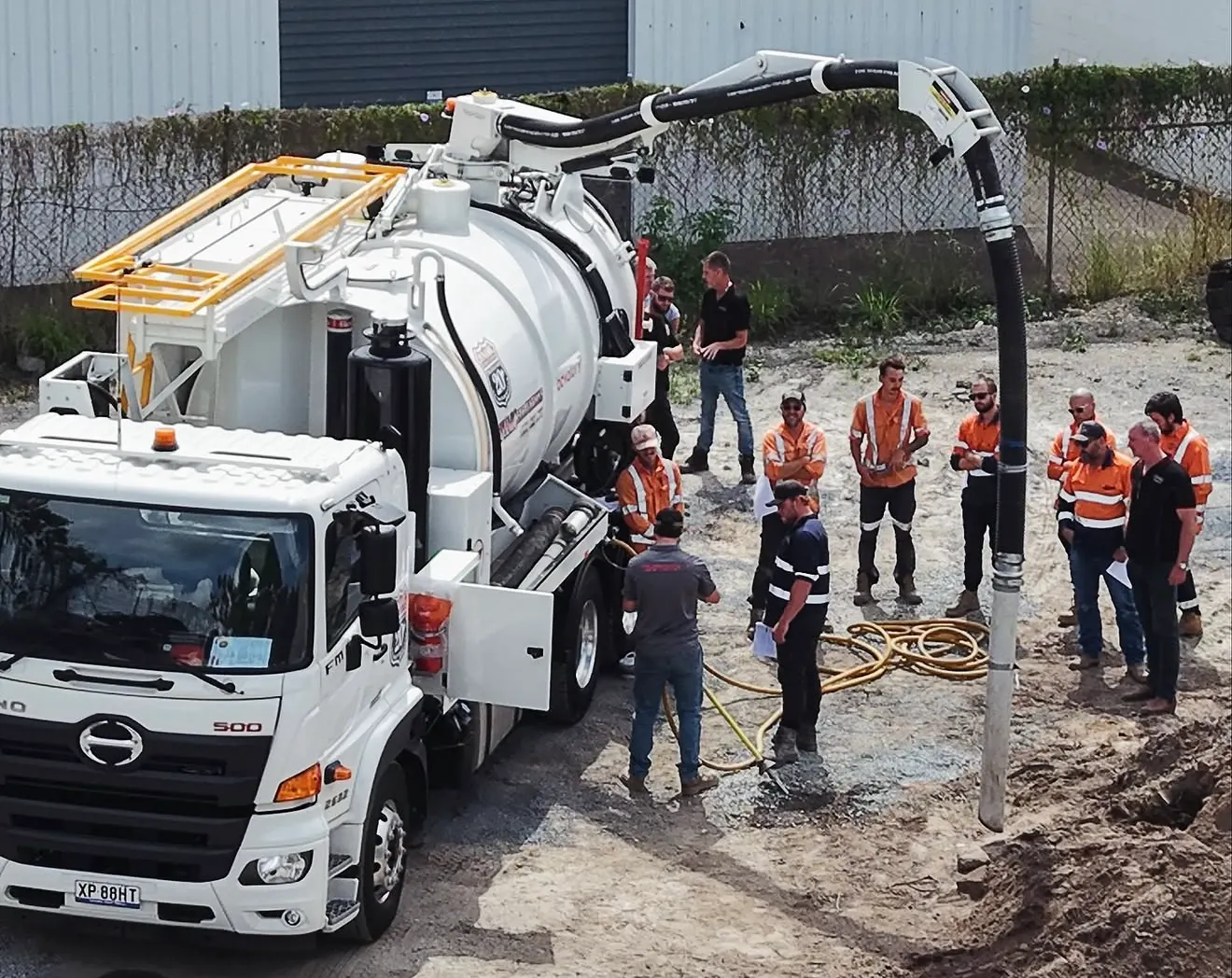
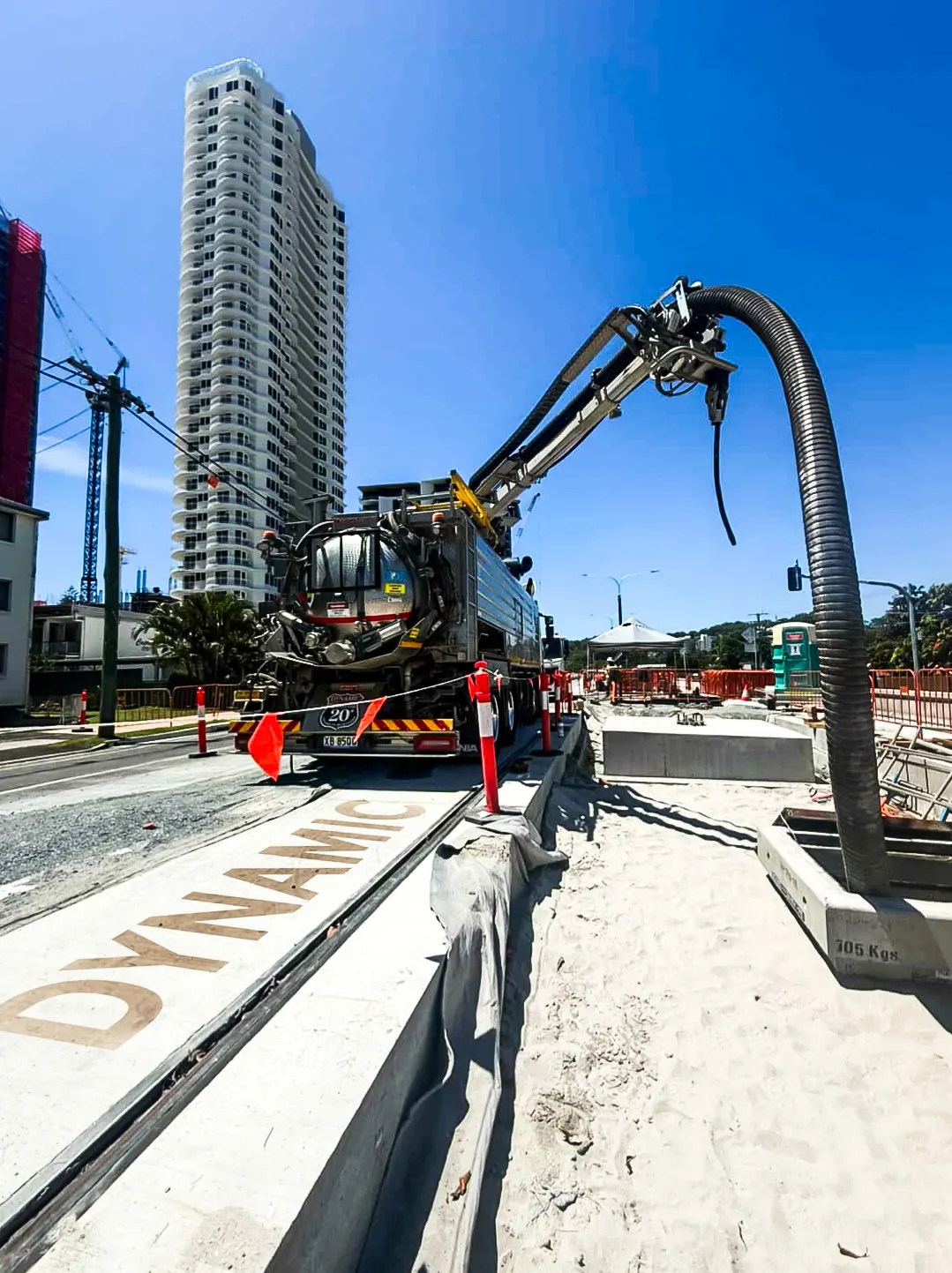
A combination unit carries two systems on one truck: a high-pressure water jetting system that cuts and dislodges material inside the pipe, and a high-volume vacuum system that recovers it. Some units also recycle water on board.
The single-truck arrangement matters. Jetting alone moves a blockage somewhere else in the network. Jetting with immediate recovery removes it.
Why water recycling matters
Jetting consumes a lot of water. A unit that recycles recovered water back into the jetting system extends how long a crew can work before refilling, which reduces cycles off site and keeps productive time on the job. On remote or access-constrained sites that is often the difference between a one-day and a two-day job.
The cleaning sequence
- Access points are opened and the line is assessed
- The vacuum recovers standing water, silt and loose debris from pits and chambers
- Jetting works the line, typically from downstream, cutting material free from the pipe wall
- Dislodged material is recovered into the tank rather than pushed further along the network
- Access chambers are cleaned out and the recovered material is disposed of appropriately
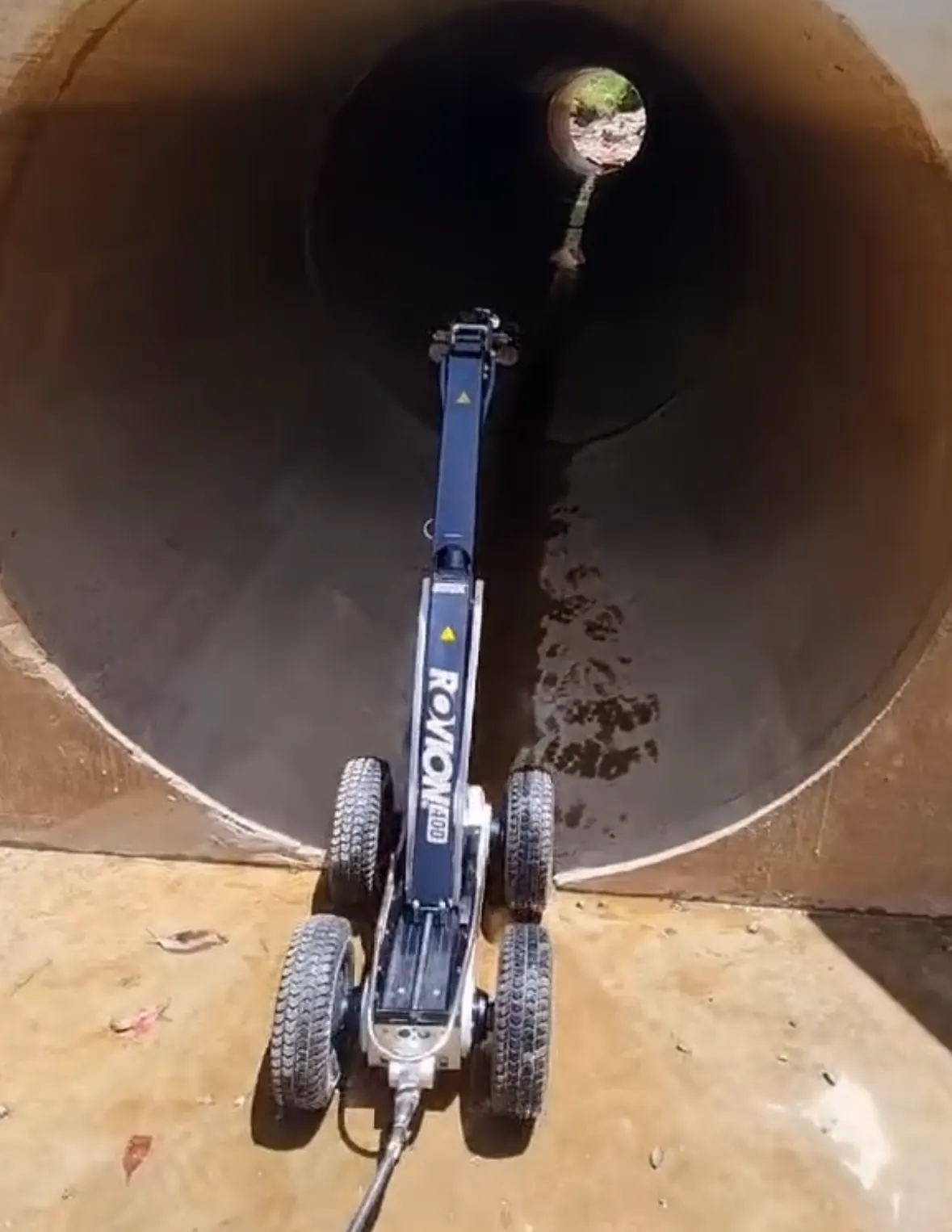
- CCTV inspection is carried out where the condition of the pipe also needs assessing
That last step is worth planning for. A camera cannot report on a wall it cannot see, so inspection after cleaning gives a far more useful record than inspection before it. Running both in one mobilisation is usually the efficient option.
What cleaning is used for
- Scheduled maintenance on council, commercial and industrial drainage networks
- Clearing blockages in stormwater and sewer lines
- Pit, sump, chamber and gross pollutant trap cleaning
- Preparing a line for inspection, relining or repair
- Restoring capacity ahead of a wet season
- Responding to a surcharge or overflow
When a different unit is the right one
Not every drainage job needs a combination unit. Bulk removal of liquid, sludge or slurry without jetting is vacuum loading work, and high volumes are handled more efficiently by a hydro tanker, where tank capacity is the limiting factor.
Where a fault needs physical access, hydro excavation exposes the pipe at the identified position without damaging surrounding services. The full range of units is on the fleet page.
Nozzles and pressure are matched to the pipe
Drain cleaning is not a single setting. Nozzle choice and pressure are matched to the pipe and to the material inside it. A de-silting nozzle moves accumulated sediment, a cutting head deals with root intrusion, and a penetrating nozzle opens a full blockage before the line is cleaned properly.
Pipe condition sets the limit. An old, cracked or deformed line cannot take the same treatment as a sound concrete pipe, which is another reason cleaning and inspection belong together. Cleaning an asset into failure is not a saving.
Environmental and disposal obligations
What comes out of a drain has to go somewhere lawful. Recovered material can include sediment, grease, hydrocarbons and general waste, and it is taken to a facility licensed to receive it.
- Recovered material contained in the tank rather than discharged back to the network
- Disposal at a facility licensed for the material recovered
- Controls to keep sediment and wash water out of stormwater during the works
- Documentation of disposal where a client or council requires it
On council and industrial networks that documentation is often part of the deliverable rather than an extra.
Access and traffic management
Access is the other planning issue. Cleaning works from pits, manholes and inspection openings, and where those are buried, sealed over or missing entirely they have to be found and opened before anything else can happen. On older networks that step can take longer than the cleaning.
Traffic management is often needed as well, because drainage access points sit in roads, car parks and kerb lines. Both are worth confirming before the crew arrives rather than on the day.
On larger networks the practical approach is to clean and inspect in sections across a programme rather than attempting the whole system in one visit.
Recurring blockages are a symptom
If the same line blocks repeatedly, cleaning is treating the symptom. A CCTV inspection after cleaning will usually identify the cause, whether that is root intrusion, a displaced joint, a deformed section or an unrecorded connection, which is what allows a permanent fix to be scoped.
To arrange drain cleaning, inspection or both, request a project quote. Regional pages cover how the work is run in sandy catchments on the Sunshine Coast and on culverts and creek crossings around Coffs Harbour.
Services in this article
Related service regions
Related reading
More news & insights
What CCTV drain inspection tells you about an underground asset
A camera in a pipe replaces guesswork with a record. CCTV inspection reports the location, depth, length and type of a drainage asset along with the faults inside it, which is what makes a maintenance or repair decision defensible.
3 min read
Read Article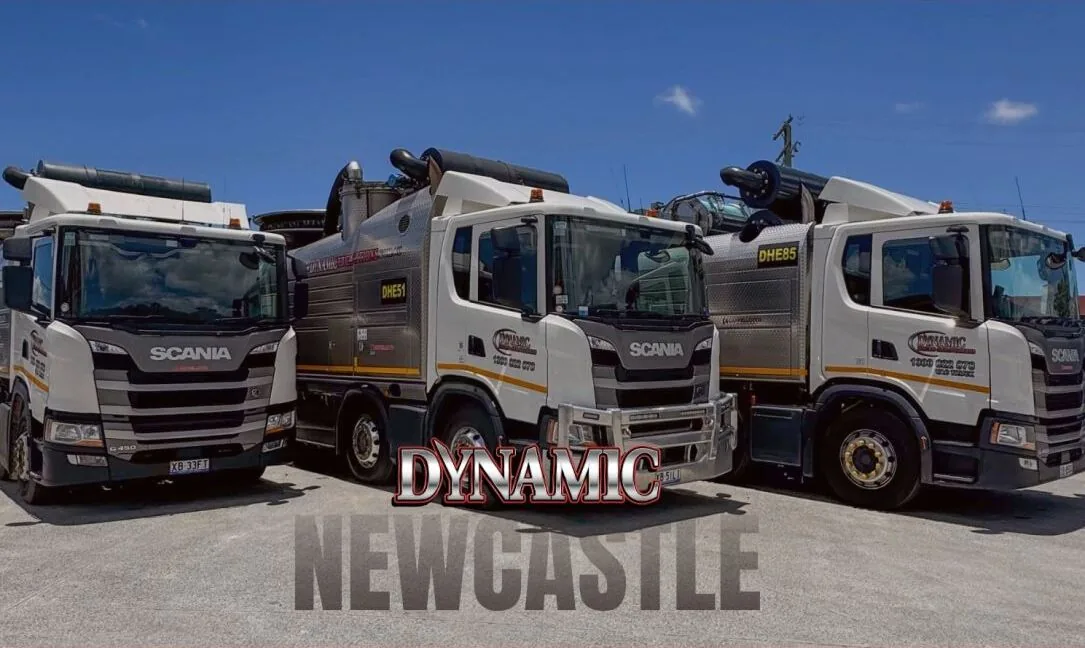
Inside the Dynamic fleet: what each unit is built for
The Dynamic Group runs more than 200 assets. This is a plain guide to the main categories in the fleet, what each is built for, and how the right unit is matched to a site.
4 min read
Read Article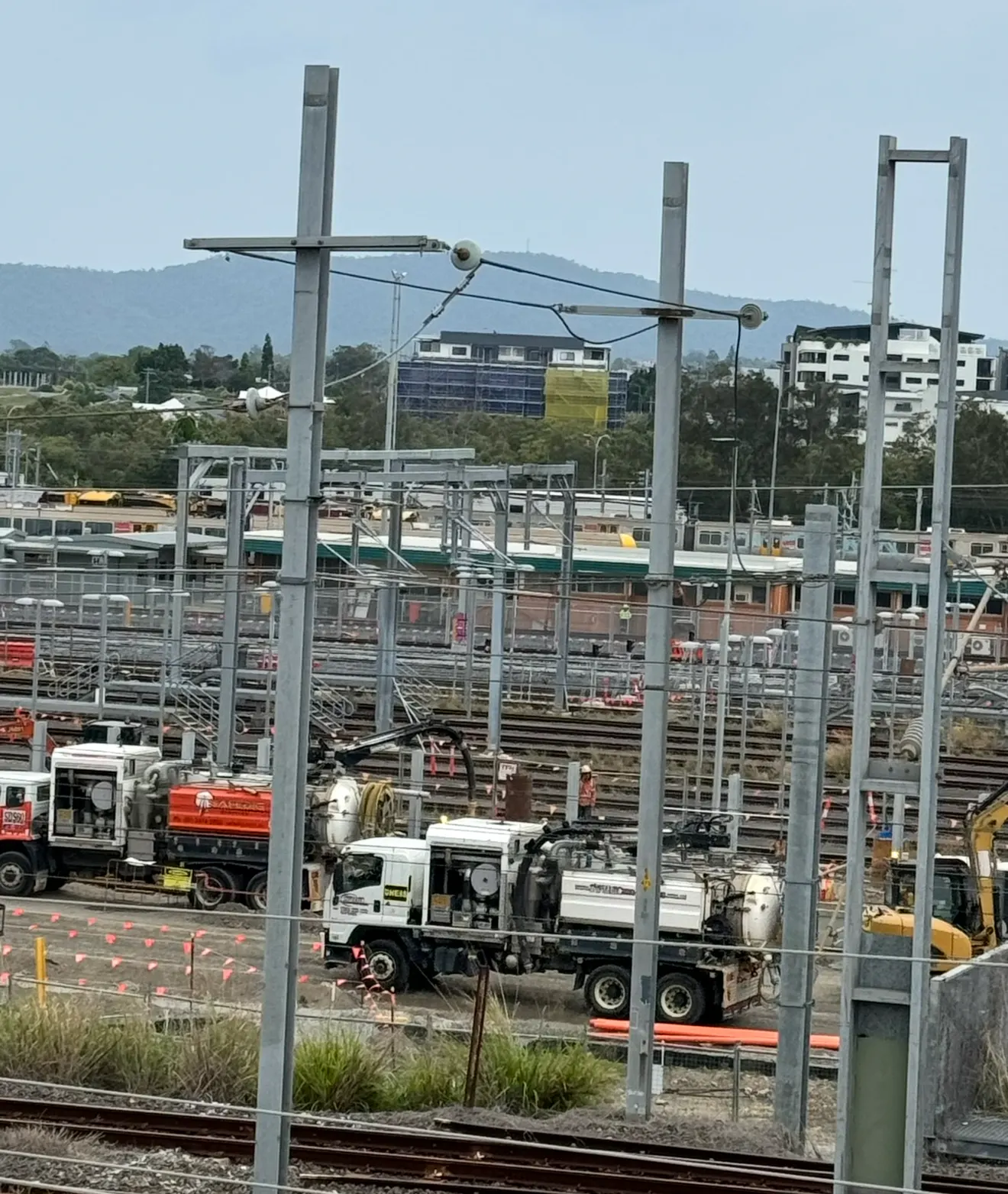
Hydro excavation as a risk control on civil construction sites
On a civil site the excavation method is a programme decision as much as a safety one. Hydro excavation is specified because it narrows the range of things that can go wrong at the point where a project is most exposed.
3 min read
Read ArticlePlanning works that need hydro or vacuum excavation?
Request a project quote or speak with the team about your site, access constraints and programme. We cover planned and urgent works across Queensland and New South Wales.