Planning at the northern end of the network
Units can be moved between regions when demand shifts, but from Cairns the nearest other base is Townsville, a long way south. Early booking is the practical way to secure a truck for planned work, particularly in the weeks before the wet when councils, builders and asset owners across the Far North all want drainage cleared at once.
Where a programme needs more units than the local fleet can commit, extra trucks can be scheduled in from elsewhere with enough notice. Raise the size and duration of the job early so that decision is made during planning rather than the week the work is due.
Drainage recovery in high rainfall country
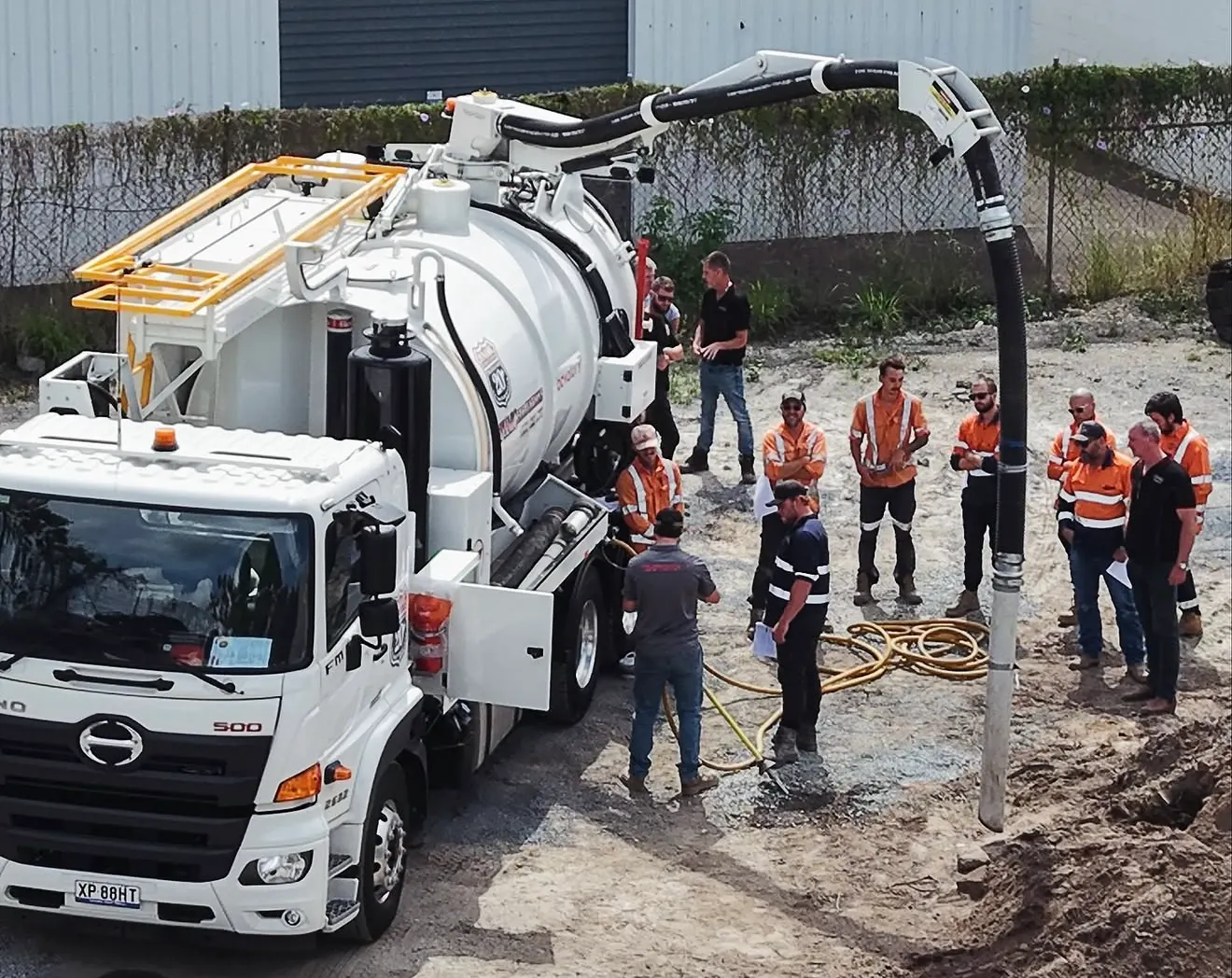
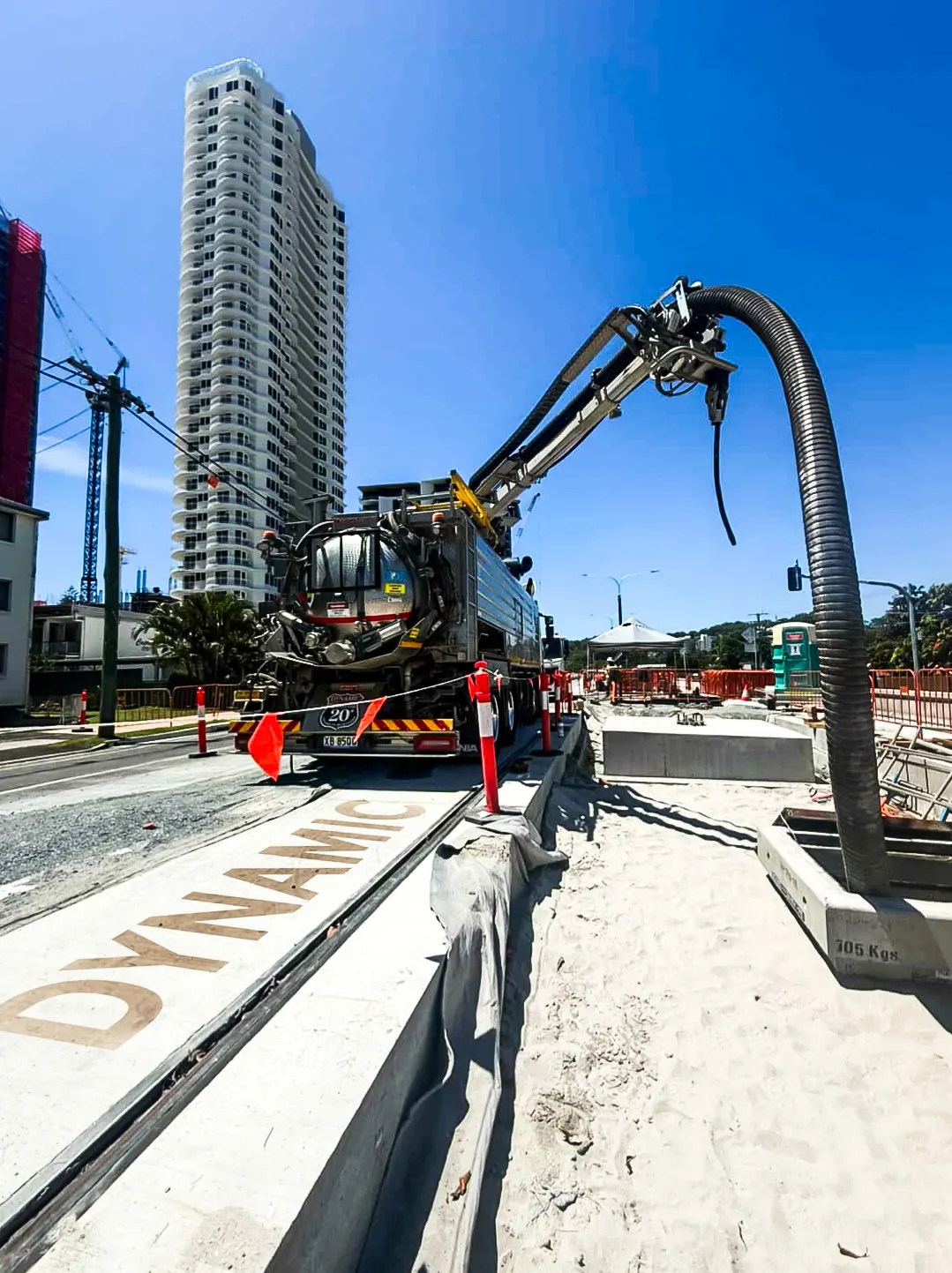
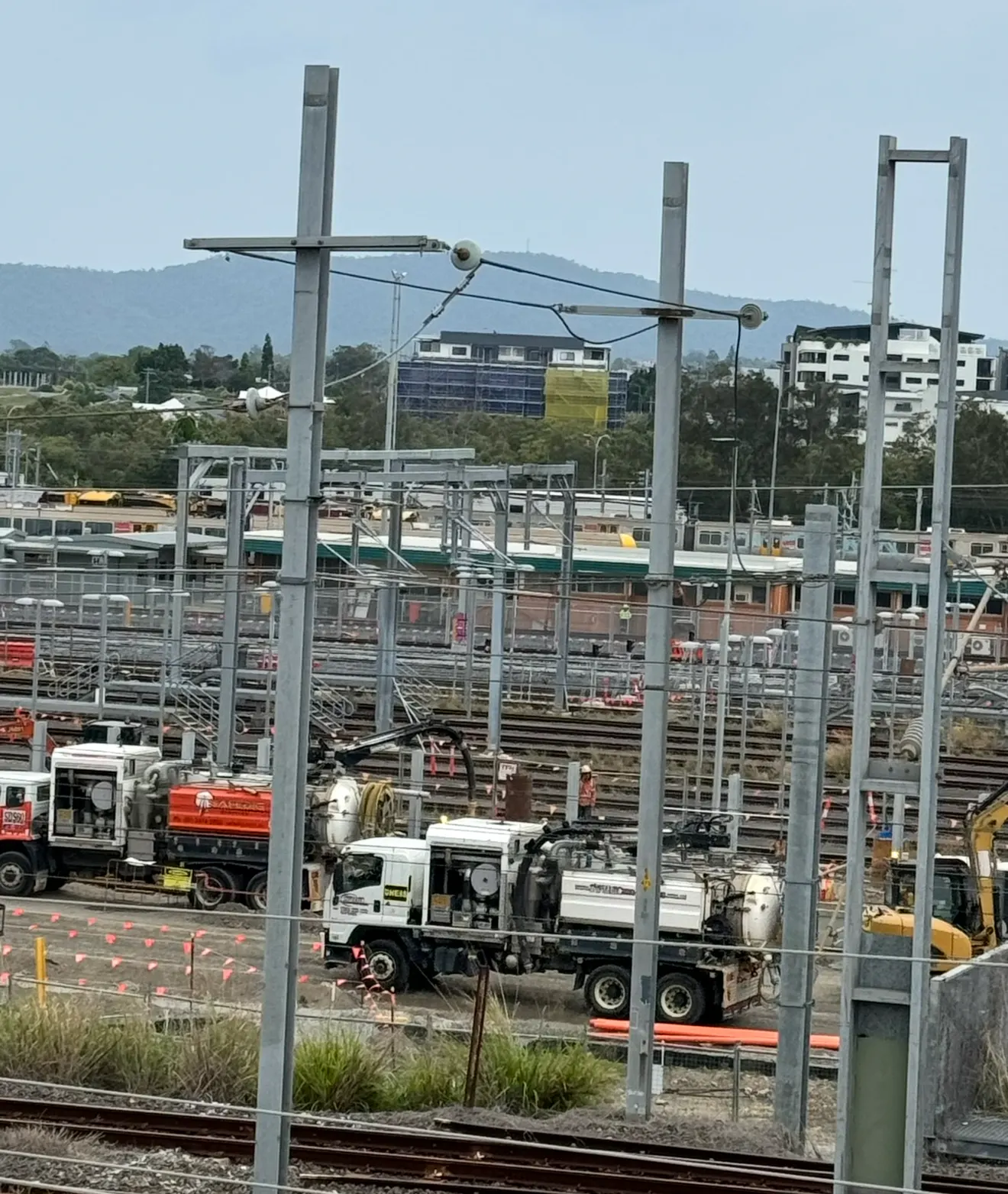
Stormwater assets in the Far North are built for very high rainfall intensities, so a partly blocked pit or culvert takes away capacity the network depends on. Vac trucks recover the sediment and vegetation that collects in them, and combination units jet lines clear and lift the material in the same operation, with water recycled on board on some units.
After an event the priority is getting drainage flowing again: clearing choked inlets, emptying pits packed with debris and pumping water out of excavations and low points. Recovered material goes into the tank and off to disposal, and a CCTV run can follow to check a cleaned line for root intrusion or damage.
4x4 units for difficult access
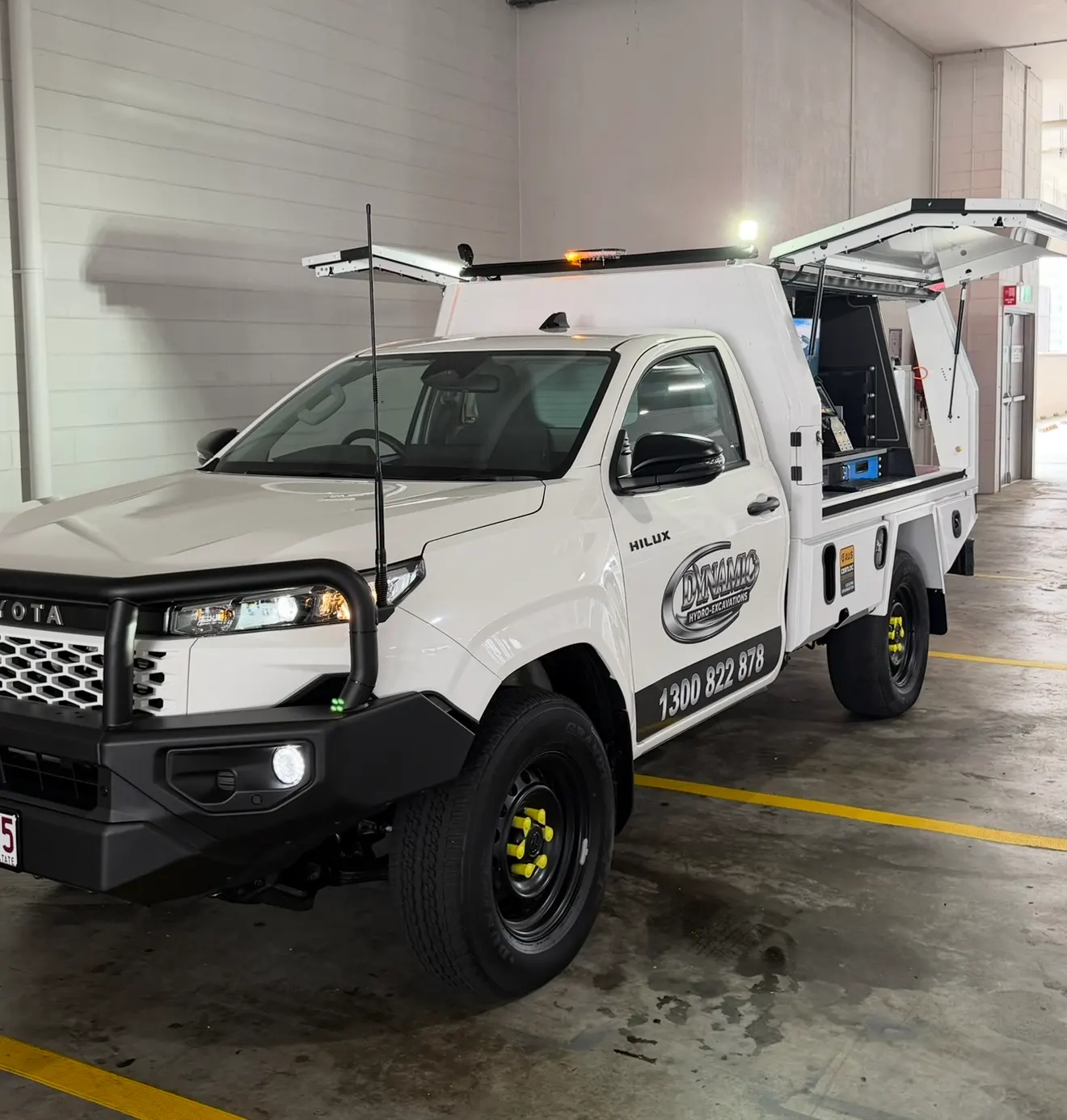
Some Far North sites sit at the end of an unsealed track, across soft ground or on a slope a road truck should not attempt. Dynamic’s 4x4 units, including 4x4 CCTV capability, are there for those jobs. The trade-off is a smaller tank and less water than the largest road-going trucks, so a remote job needs more cycles out to tip or a larger unit waiting at sealed access.
Getting out is usually harder than getting in. A track that carried an empty truck may not carry a full one back, especially after rain, so the useful details at quoting are track condition, gradient, ground type, distance from firm standing to the work, water on site and the nearest disposal point. Remote work is priced on those terms rather than as a city rate plus kilometres.
Grouping jobs on the Tablelands and the coast
A single pit clean-out in Mareeba, Port Douglas or Innisfail costs more in travel than in work when it is booked on its own. When several jobs in the same direction can run together, whether a string of council pits along one road or a handful of service exposures for one contractor, the mobilisation is shared and the day is spent working rather than driving.
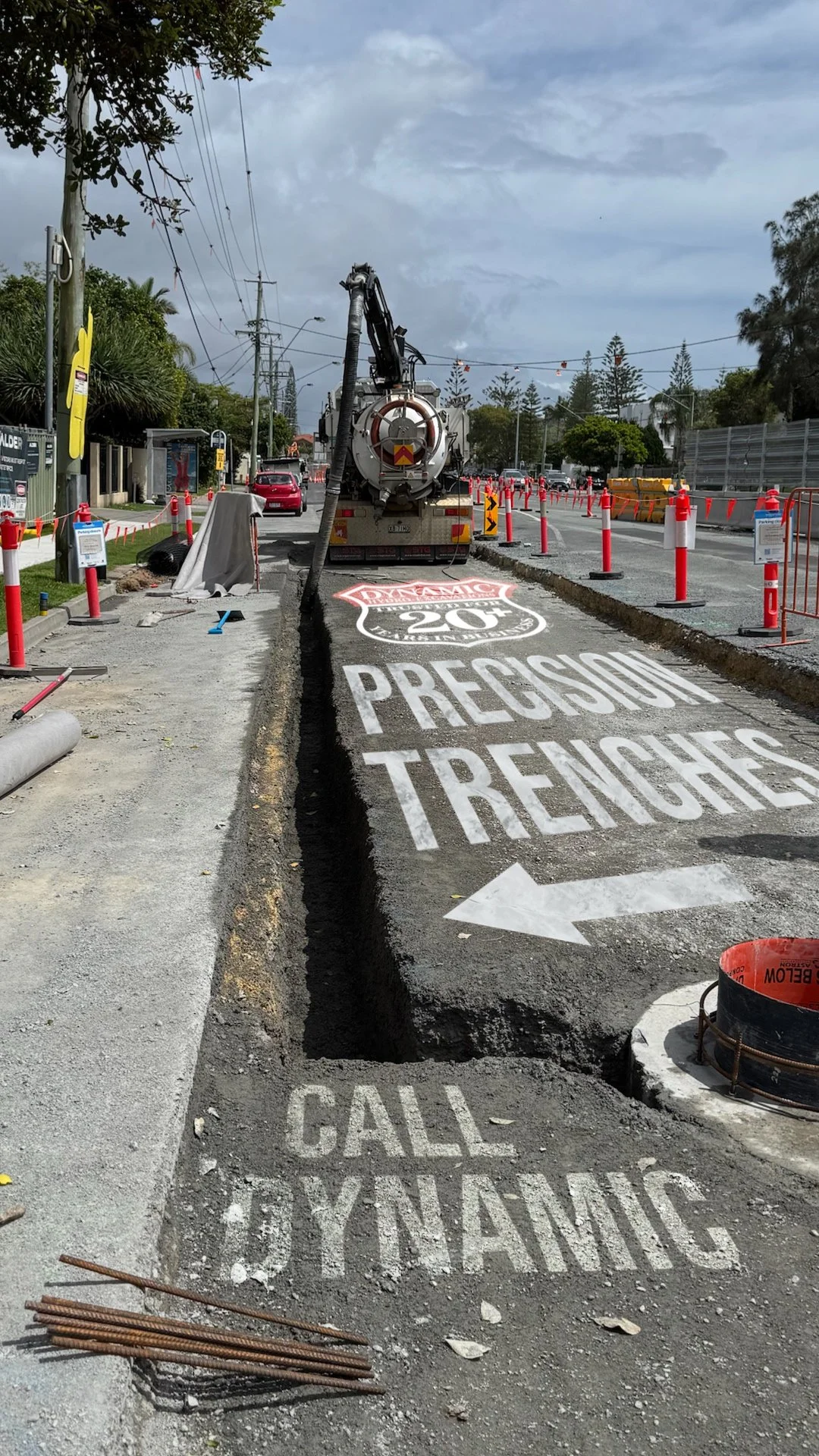
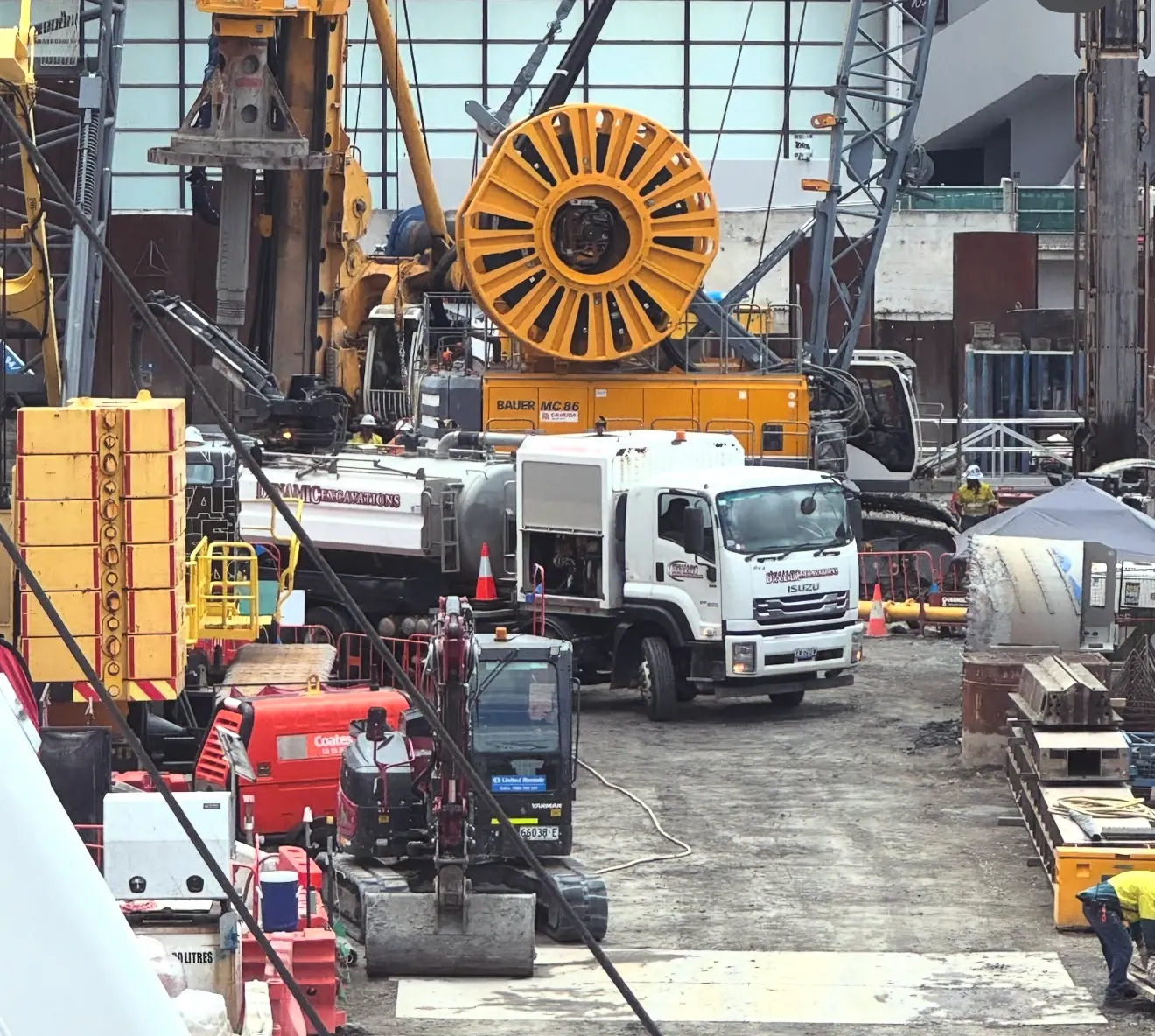
Where the volume is high or disposal is far from site, a hydro tanker can run with the excavation unit so it does not leave the job to empty. Tip trucks, excavators and bobcats with operators can be added when spoil or bulk material also has to be moved.