4x4 vacuum trucks: reaching sites conventional plant cannot
4 min read
Dynamic Hydro Excavations image library
A large share of Australian infrastructure sits away from sealed roads: transmission line easements, pipeline corridors, rail reserves, coastal infrastructure, mine site services and rural utility networks. The excavation requirements do not change because the access does.
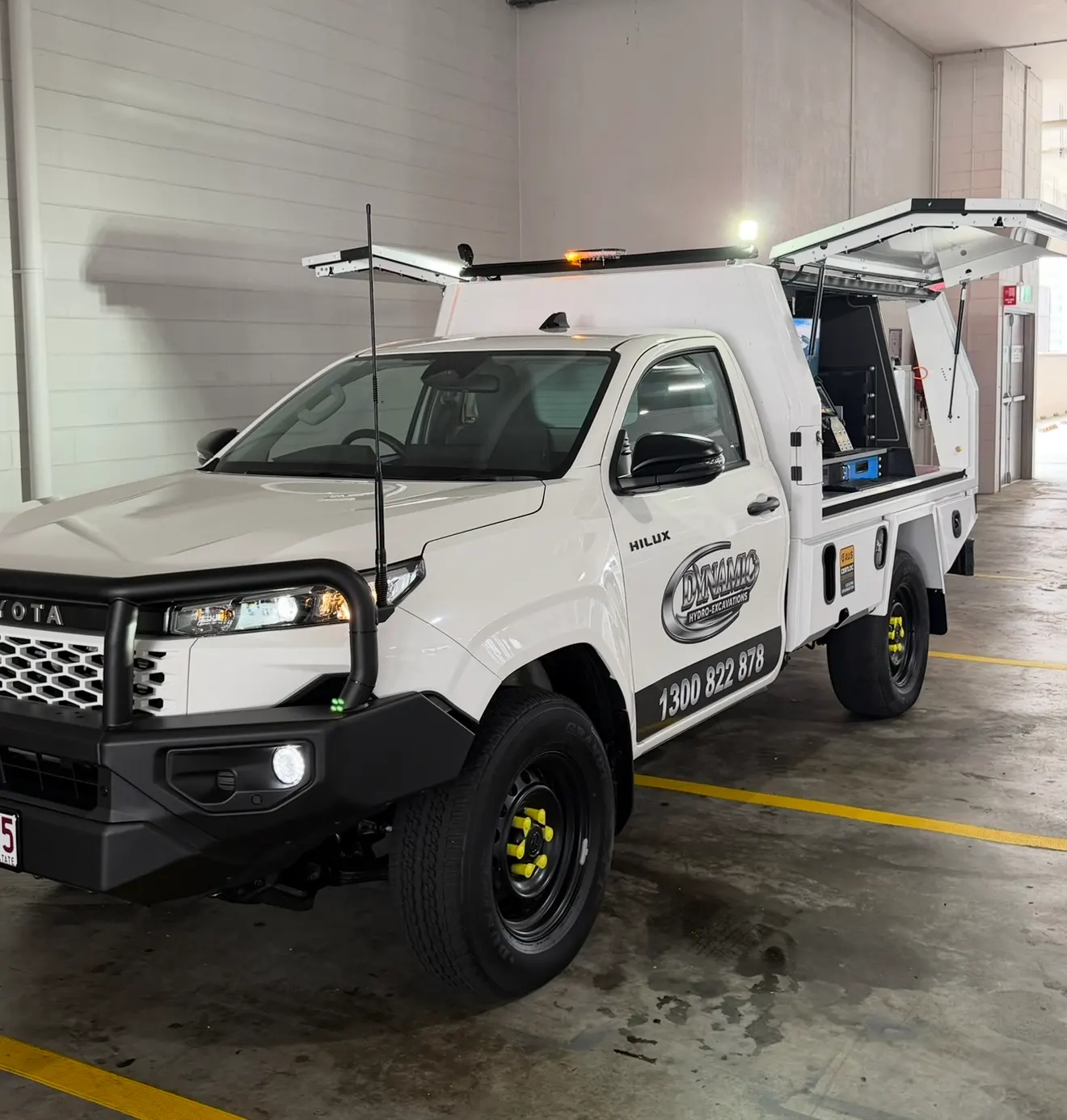
Dynamic operates 4x4 vacuum excavation units for exactly this reason. They provide the same non-destructive digging capability as a conventional truck, in locations a conventional truck cannot reach.
Where 4x4 units are used
The conditions that call for an off-road unit are consistent:
- Unsealed and rocky access tracks
- Sand, including dunes and soft coastal ground
- Steep, uneven or mountainous terrain
- Easements and corridors with no formed road access
- Wet or soft ground where a road-going truck would bog
The risk on these jobs is not usually getting in. It is getting out with a full tank of spoil, which is when weight, traction and ground conditions matter most.
What is gained and what is traded
A 4x4 configuration is a trade-off rather than a straight upgrade. Off-road capability generally comes with a smaller tank and a smaller water capacity than the largest road-going units, which affects how long a crew can work before a cycle out to tip.
That is worth planning around. On remote works the productive question is not how fast the unit can cut, but how many cycles are needed and how far the disposal point is. On some jobs the efficient answer is a 4x4 unit working with a support vehicle or a larger unit staged at the nearest sealed access.
Boom and hose reach
Reach is often what makes a difficult site workable. Where a truck can be positioned on stable ground, the boom and suction hose can extend into an area the vehicle should not enter, whether that is soft ground, a steep batter or a location with restricted vehicle access.
Northern Queensland and regional works
Off-road access is a regular requirement out of the northern depots, including Townsville and Cairns, where distances are longer and a larger share of the network sits away from sealed roads. It also matters on the Fraser Coast and in rural areas behind the coastal strip. How remote jobs are planned from the northern bases is covered on the vac truck hire pages for Townsville and Cairns.
Where client sites carry specific vehicle standards, including mine-site requirements, those are confirmed before mobilisation. Compliance details for a given site can be provided during prequalification.
Self-sufficiency on remote works
The further a job sits from a depot, the more the crew has to carry. On remote works the list extends well beyond the excavation unit, because a missing fitting or a damaged tyre several hours from the nearest town costs a day rather than an hour.
- Spare hoses, couplings and nozzles for the excavation unit
- Recovery equipment and tyres suited to the access conditions
- Communications that work in areas without mobile coverage
- Water carried in, where there is no fill point nearby
- Fuel planning for both the vehicle and the auxiliary engine
Where a site sits in a fire risk area or on a working easement, hot work, vehicle and permit conditions are confirmed with the asset owner before the crew leaves the depot.
Environmental controls away from formed sites
Remote excavation often happens in easements, reserves and rural land with no site compound and no formed drainage. Spoil goes into the tank rather than onto the ground, refuelling is managed away from watercourses, and access is kept to existing tracks where possible so the ground is left as it was found.
Planning around the access, not the excavation
Access also changes what a crew can rely on. There may be no water on site, no hard stand to set up on and no mobile coverage. Remote work is quoted on that basis rather than as a metropolitan job with travel added to it.
Where a corridor has to be worked along its length rather than at a single point, the usual approach is to stage the unit at the nearest stable access and work outward on boom and hose reach, moving the truck forward only as often as necessary.
Programmes on transmission easements, pipeline corridors and rural networks are often planned around daylight and weather, because a track that is passable dry can be impassable after rain.
Planning a remote job
For works away from sealed access, the useful information at quoting stage is track condition, gradient, ground type, the distance from the nearest hard stand to the working face, water availability and the closest suitable disposal point. With that, the right unit and crew can be selected from the fleet.
Request a project quote with the site details, or contact us to talk through access.
Services in this article
Related service regions
Related reading
More news & insights
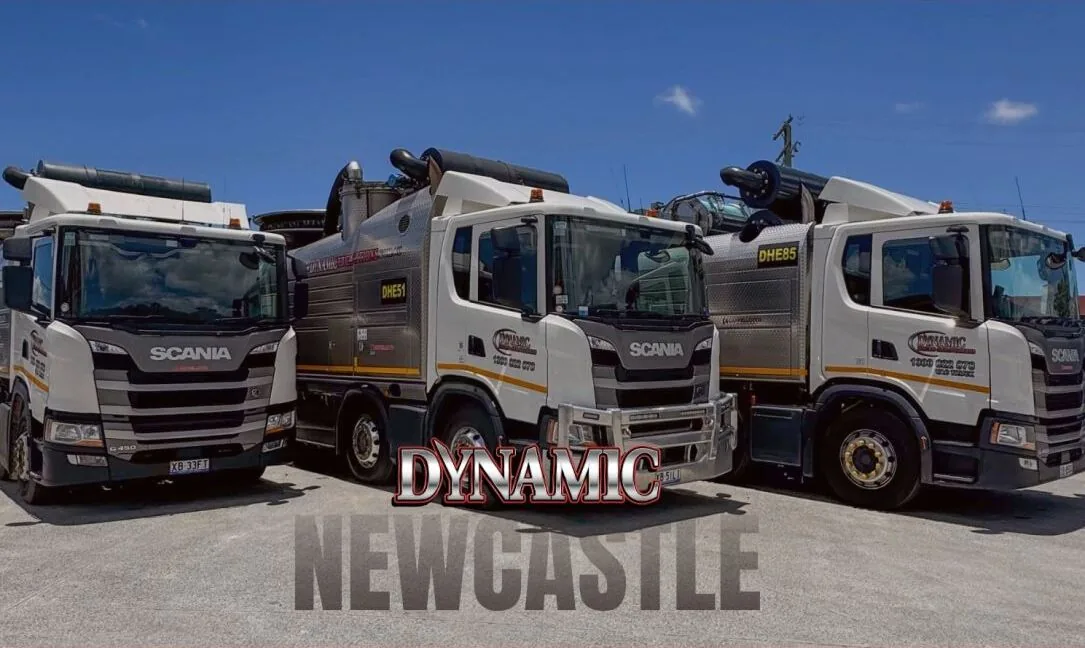
Inside the Dynamic fleet: what each unit is built for
The Dynamic Group runs more than 200 assets. This is a plain guide to the main categories in the fleet, what each is built for, and how the right unit is matched to a site.
4 min read
Read Article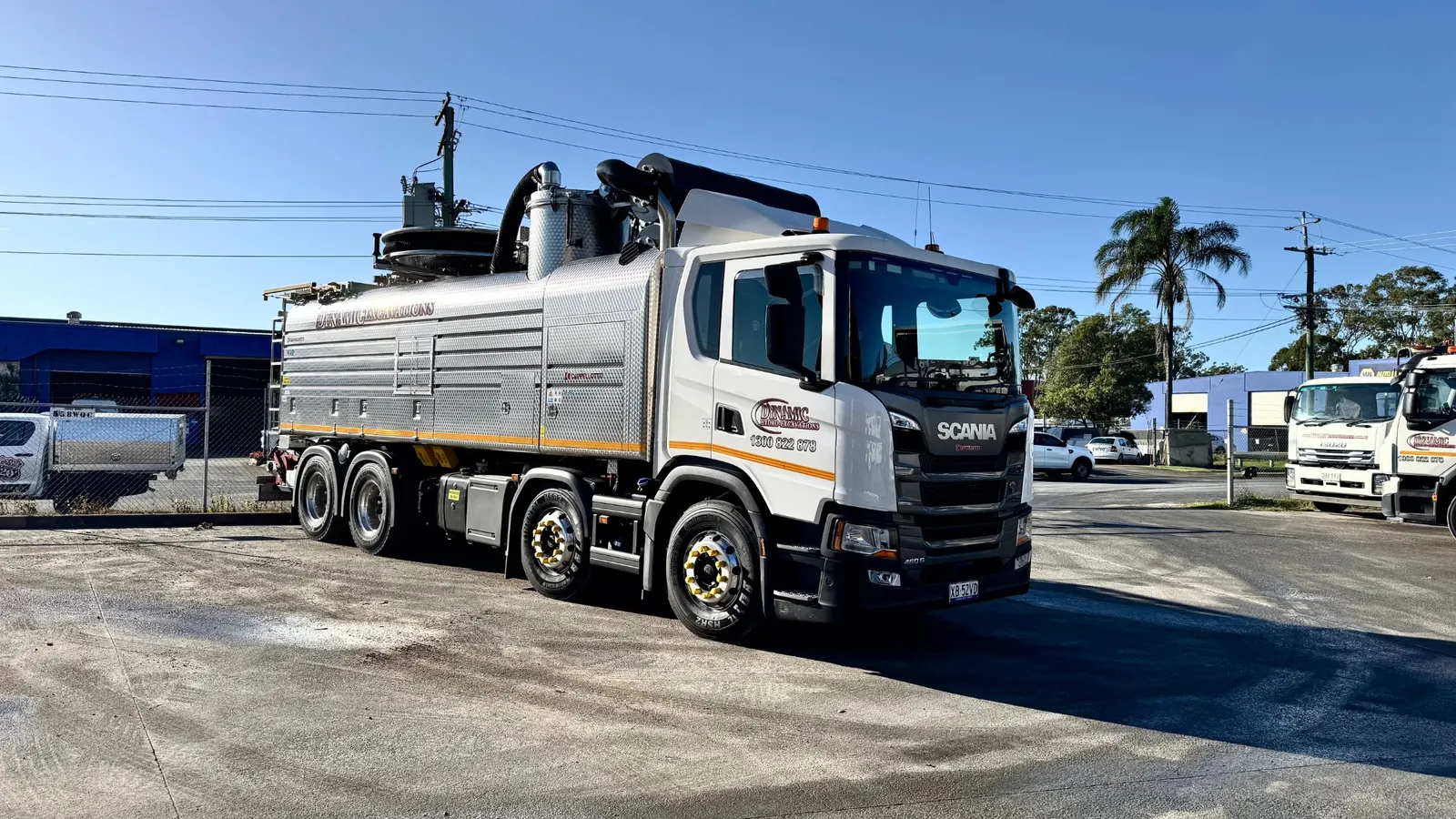
Vac truck hire across Brisbane, the Gold Coast and the Sunshine Coast
South east Queensland is Dynamic’s home market, with depots on the Gold Coast, in Brisbane and on the Sunshine Coast. Here is what a vac truck is typically used for across the region and what to consider when booking one.
4 min read
Read Article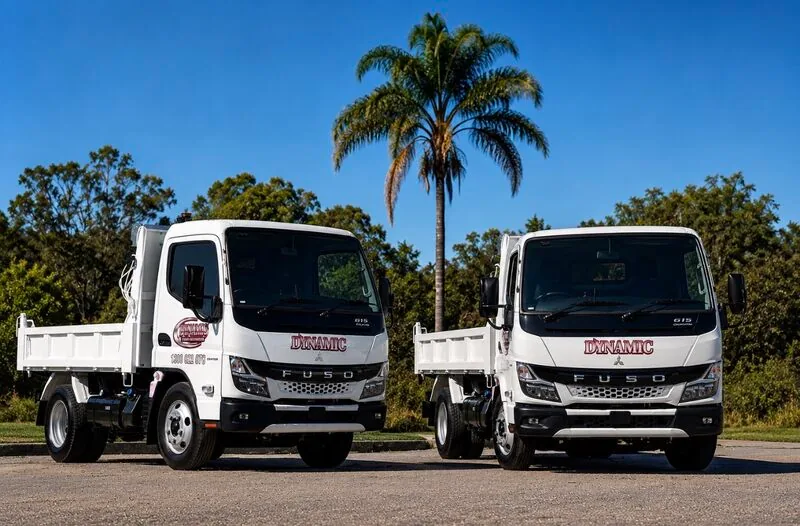
Two new Fuso tippers added to the Dynamic fleet
Two new Fuso tipper trucks have entered service, one at the Penrith depot in New South Wales and one at the Sunshine Coast depot in Queensland, supporting excavation, civil works, site clean-ups and project logistics.
3 min read
Read ArticlePlanning works that need hydro or vacuum excavation?
Request a project quote or speak with the team about your site, access constraints and programme. We cover planned and urgent works across Queensland and New South Wales.