Plans are a starting point, not proof
Brisbane carries some of the oldest reticulation in Queensland, and asset records in the inner suburbs are not always complete. A service shown on a plan may be deeper or shallower than drawn, offset from its recorded line, or sharing the ground with something that was never recorded at all.
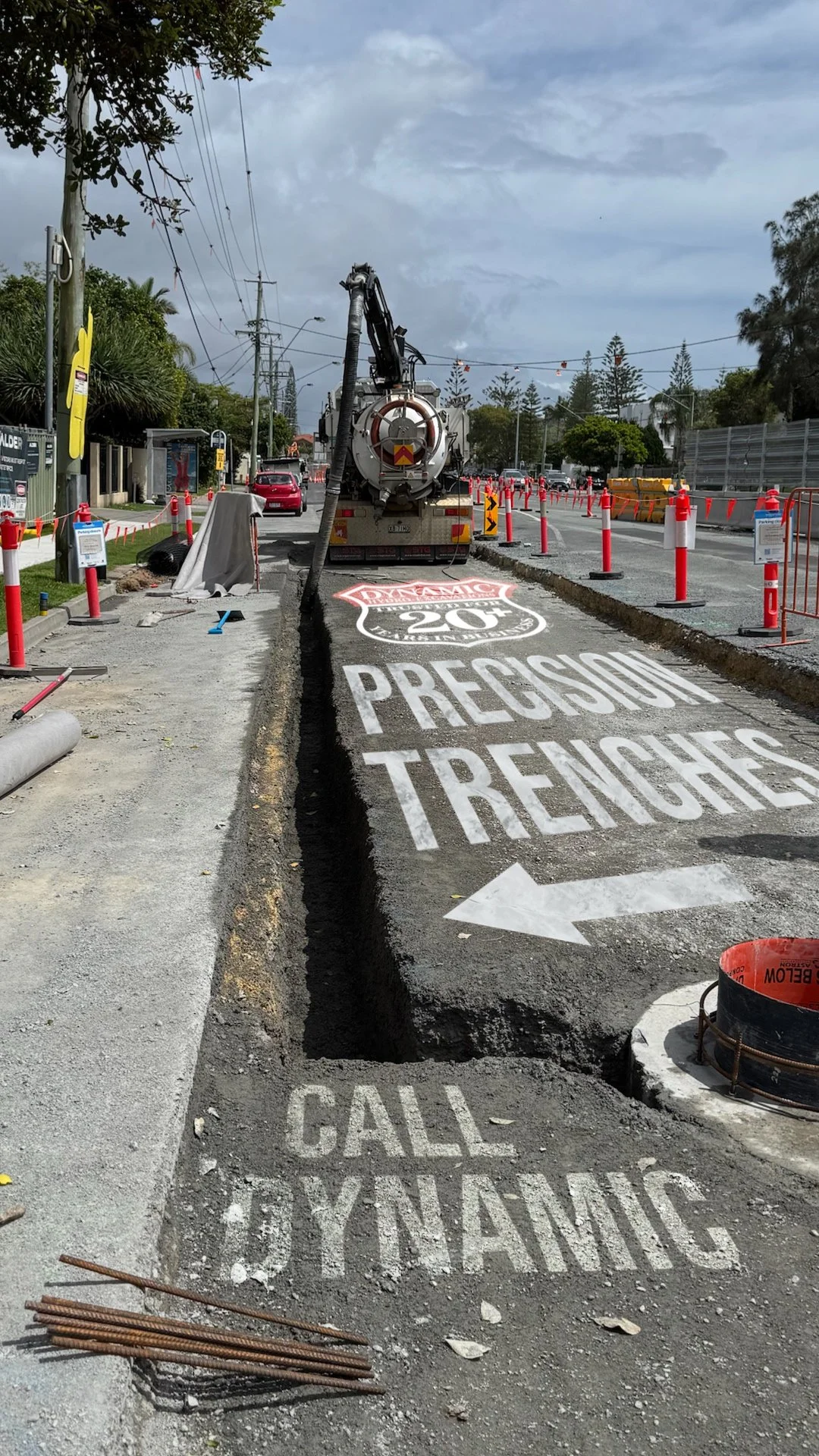
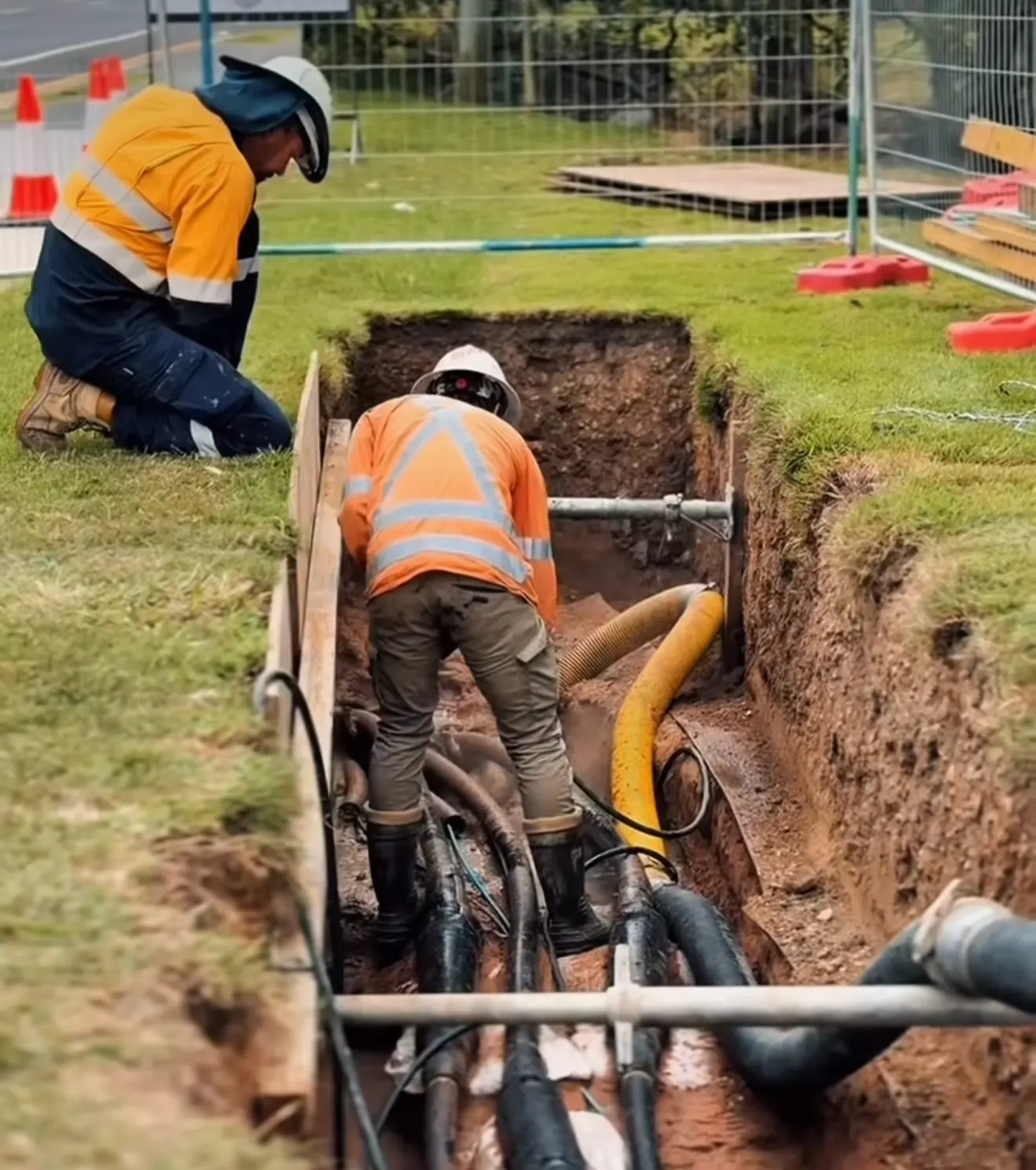
Potholing by NDD closes that gap. Each exposure confirms the type, depth and alignment of what is really there, so the risk is resolved on paper instead of in the trench.
The sequence on a Brisbane site
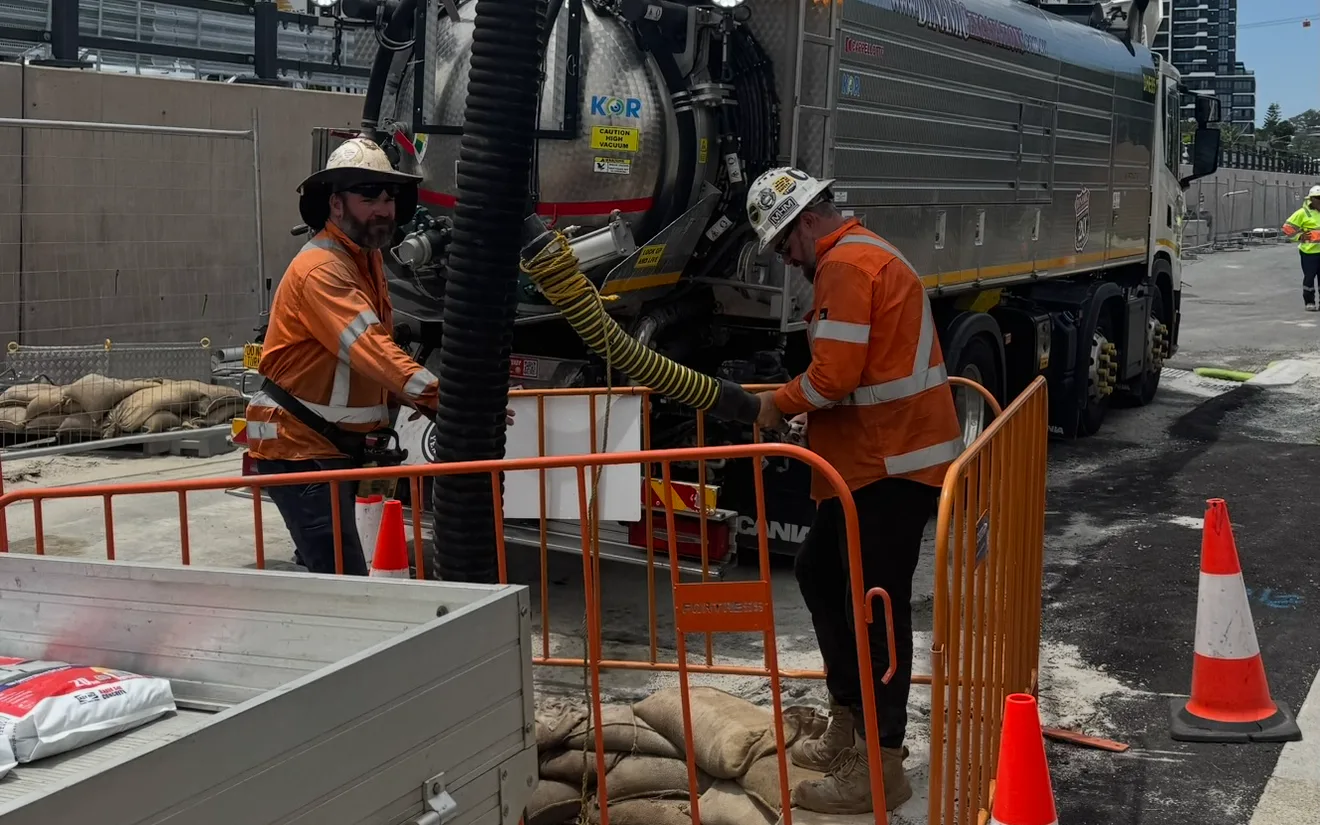
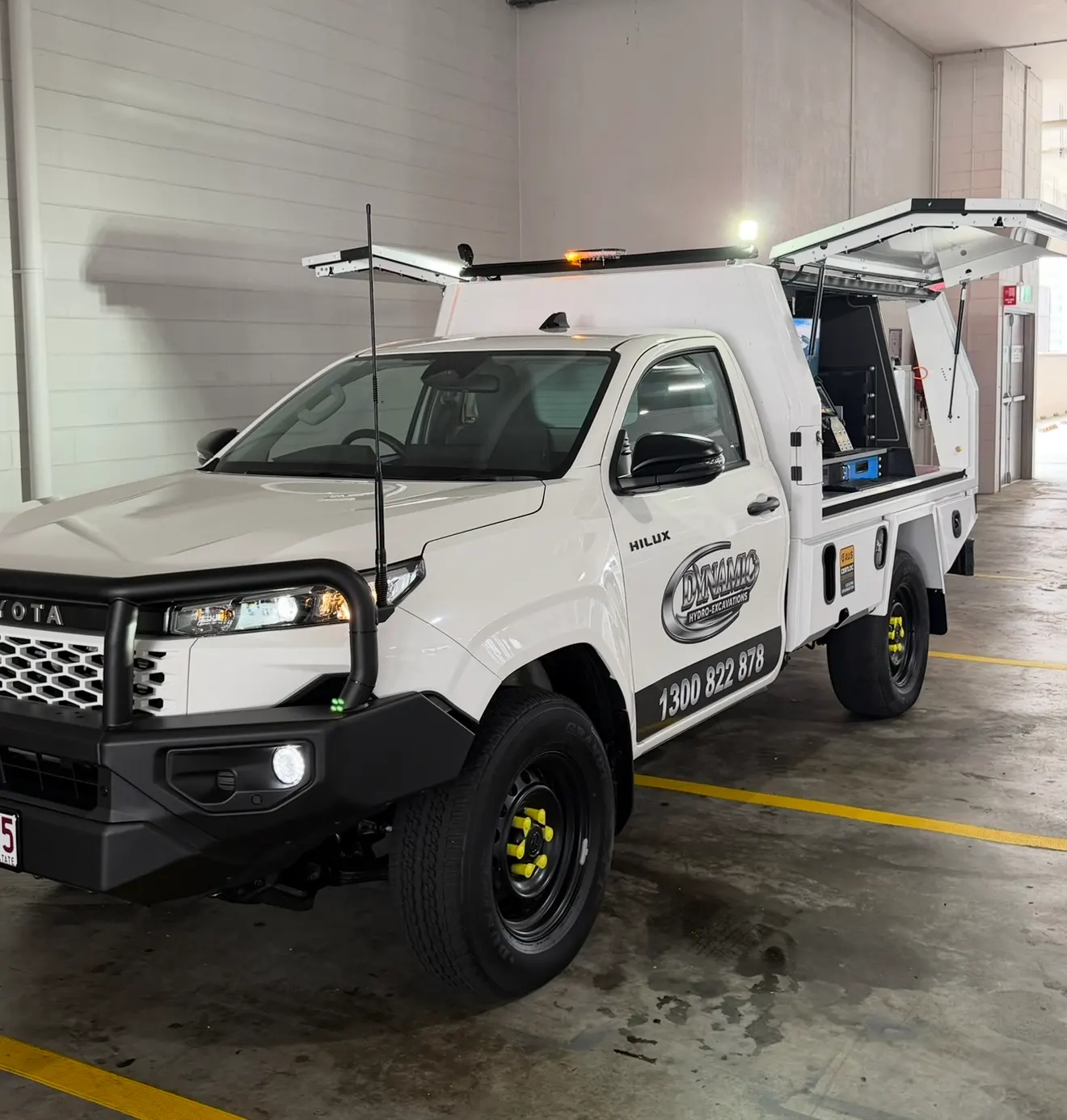
A sound NDD job follows the same order every time. Plans are obtained through Before You Dig Australia. The site is then located, which within the Dynamic Group can be done by LADS. Only then is the ground opened, carefully, with the locate marks in view.
Exposed services are left visible for the surveyor or engineer to record, then protected and reinstated as the site requires. NDD reduces the risk of a strike but does not remove it on its own, which is why the locate always comes first.
Water or air: choosing the method
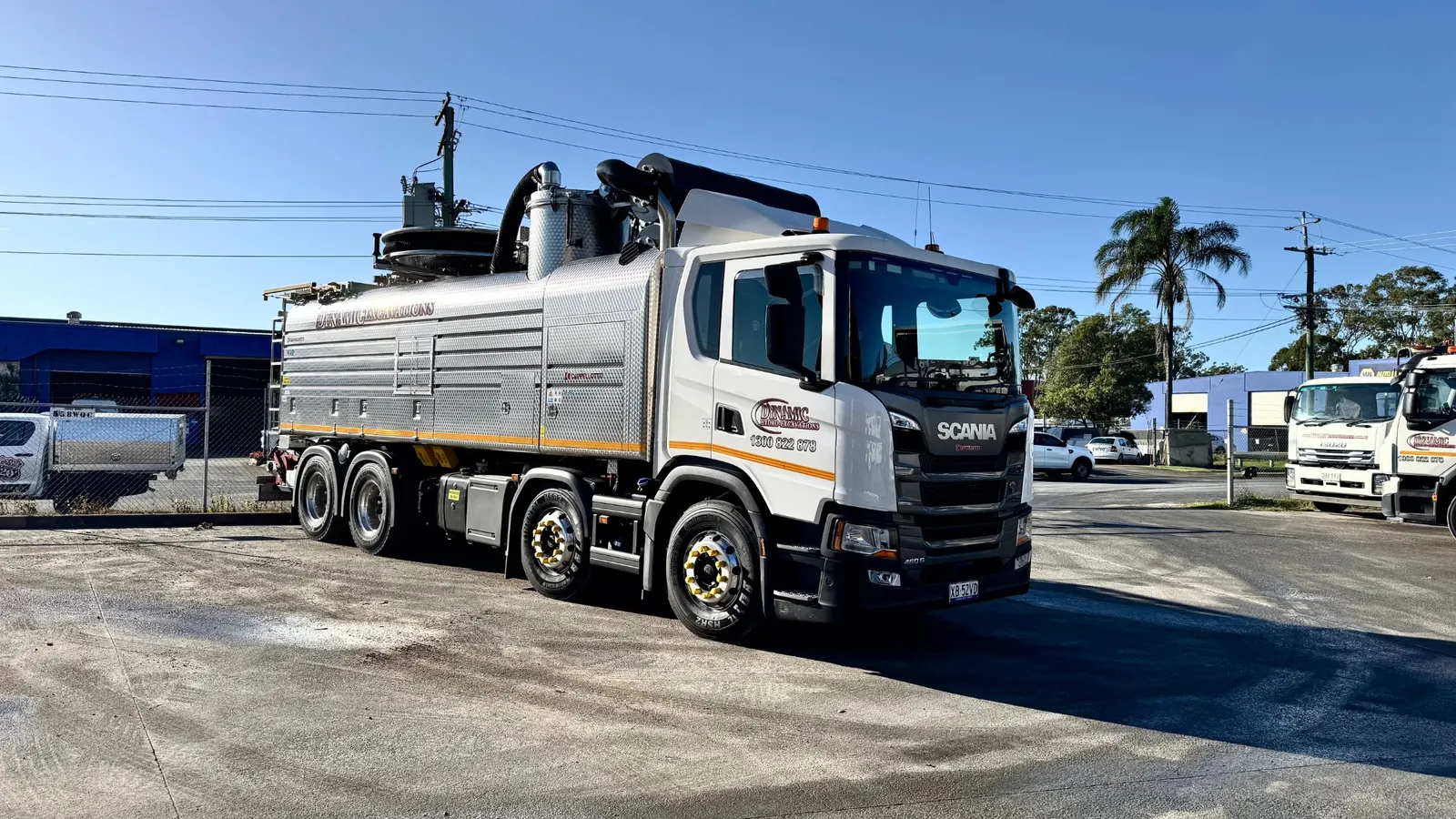
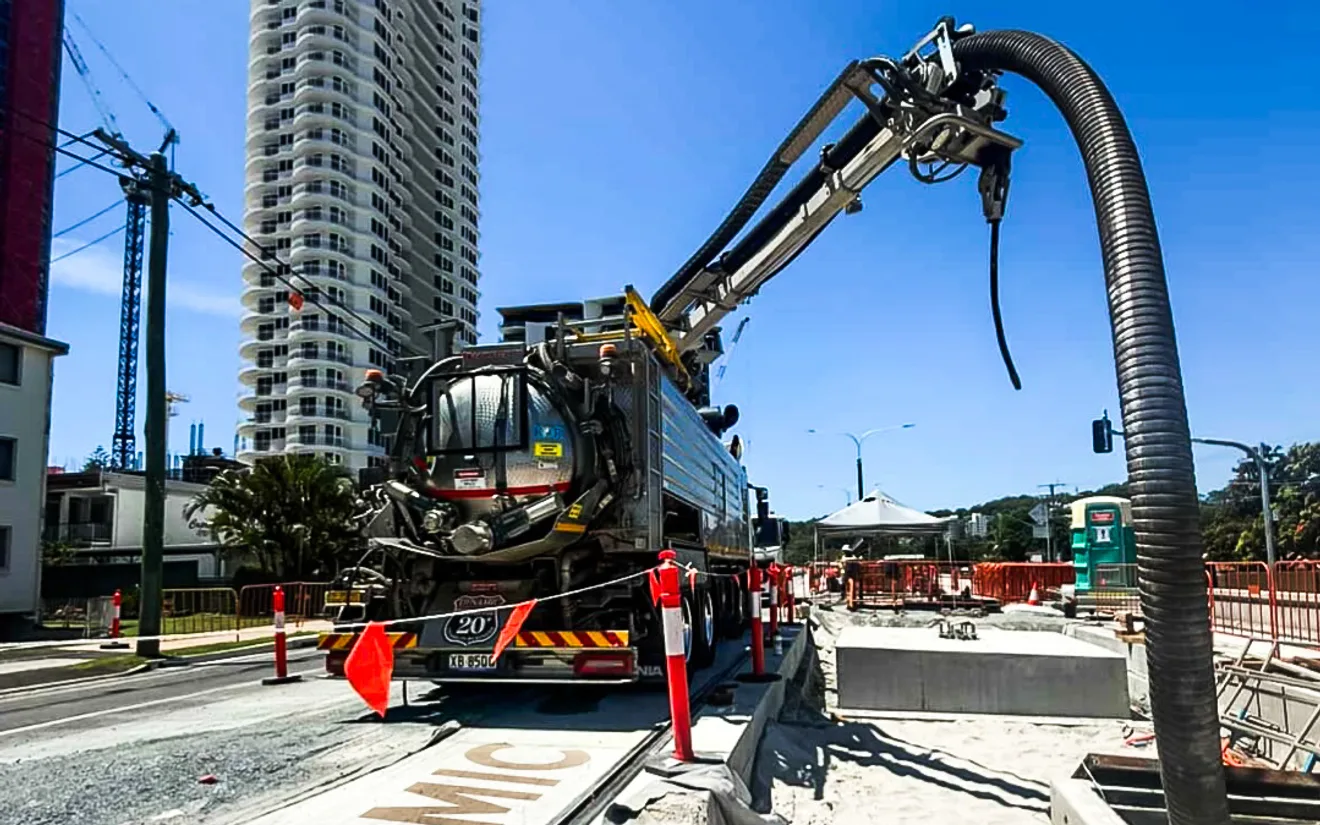
Hydro excavation cuts compacted and clay ground well, so it handles most Brisbane conditions. Air excavation keeps the hole and the spoil dry, which suits work inside buildings, plant rooms and finished areas, around tree roots that must be preserved, and anywhere the spoil should go back in as backfill.
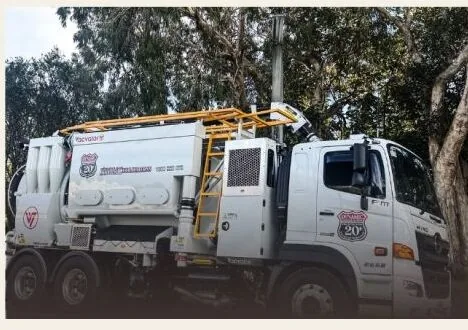
Dynamic is rolling out Vacvator air excavation units across the network alongside the hydro fleet. Which method suits a Brisbane site, and whether an air unit is available for your dates, is confirmed when the work is scoped.
Who specifies NDD in Brisbane
Designers commission NDD potholing to fix the position of services before a new alignment is set. Contractors use it to prove crossings ahead of boring, piling or open trenching. Utilities use it to confirm their own assets before maintenance, and asset owners commonly specify non-destructive methods for any excavation close to their services.
Utility, telecommunications and council programmes often need many exposures across many sites. Those are planned as a programme, with units and crews allocated to the sequence, rather than booked as separate call-outs.